As a devoted pet parent, have you ever felt overwhelmed by the amount of fur your dog leaves around the house? Shedding is a natural process, but understanding its nuances can help you create a more comfortable living environment for both you and your furry friend.
What You Will Learn
- Normal shedding varies by breed and season; excessive shedding may indicate health issues.
- Recognizing the difference between normal and excessive shedding is essential for your dog's health.
- A consistent grooming schedule and a high-quality diet can significantly reduce shedding.
- Stay vigilant for signs of allergies or skin irritations that may accompany excessive shedding.
- Engaging with your dog's health through regular vet check-ups can prevent potential shedding-related problems.
- Building a supportive community with fellow dog owners can offer valuable insights and shared experiences.
Understanding Dog Shedding: Normal vs. Excessive & When to Consult a Vet
This visual illustrates the key differences between normal and excessive dog shedding, along with practical steps for management and indicators for veterinary consultation.
Normal Shedding Characteristics
- Occasional fur loss
- Minimal visible patches
- Manageable cleaning
- Seasonal cycles
Excessive Shedding Indicators
- Constant fur loss
- Noticeable bald spots
- Potential skin irritation
- Other symptoms (itching, redness)
Practical Shedding Management
- Regular grooming schedule
- High-quality diet & hydration
- Monitor food intake & allergies
- Frequent vacuuming
When to Consult a Veterinarian
- Sudden changes in pattern
- Excessive scratching/biting
- Signs of allergies (redness, swelling)
- Unusual lumps or skin irritations
Understanding Excessive Dog Shedding: Causes and Implications
As a pet parent, understanding the nuances of your dog's shedding can be a game-changer in creating a comfortable home environment. Shedding is a natural process, but when it becomes excessive, it can raise concerns about your pup's health and well-being. This section will help you distinguish between normal shedding and when it might be time to dig a little deeper into potential causes. For tips on managing your dog's comfort during grooming, check out our guide on calming dog grooming anxiety.
Normal shedding varies from breed to breed and is influenced by factors like the season and your dog's health. However, excessive shedding can indicate underlying issues that need to be addressed. Let's explore what is considered normal shedding versus excessive shedding, along with common concerns pet owners may have.
What is Considered Normal Shedding vs. Excessive Shedding?
Normal shedding typically happens in cycles, especially with the change of seasons. For instance, many dogs shed more in spring and fall as they adjust their coats for warmer or cooler weather. On the other hand, excessive shedding can lead to noticeable bald patches, an increase in fur around the house, and may even affect your dog's skin health.
- Normal Shedding: Occasional fur loss, minimal visible patches, manageable cleaning.
- Excessive Shedding: Constant fur loss, noticeable bald spots, potential skin irritation.
- When to Worry: If you notice other symptoms like itching, redness, or changes in behavior.
Understanding this difference is crucial for maintaining your dog's coat and overall health. If you're unsure, I always recommend keeping a close eye on your pup and making note of their shedding patterns!
Common Questions About Dog Shedding and Health
Many pet owners come to me with questions about shedding, and it's completely normal to seek clarity! One common inquiry is, "How much shedding is too much?" This varies by breed, so knowing your dog's typical shedding habits is key. Another frequently asked question is whether shedding could indicate health problems. The answer is yes; sometimes, issues like allergies or infections can manifest as increased shedding.
- What breeds shed the most?
- Could stress or anxiety be contributing to shedding?
- Can diet impact how much my dog sheds?
As we navigate through the intricacies of shedding, it’s important to remember that your dog’s health is paramount. If you suspect that shedding is linked to something deeper, don't hesitate to reach out to your veterinarian for guidance.
Key Factors Contributing to Dog Shedding
Understanding the factors that influence shedding can empower us as pet owners to take better care of our furry companions. From breed-specific patterns to nutritional influences, let's delve deeper into what might be contributing to your dog's shedding.
Pro Tip
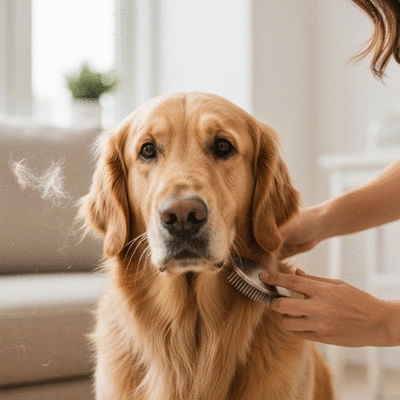
Did you know? Regular brushing not only helps manage shedding but also promotes a healthier coat by distributing natural oils and reducing the risk of skin irritations. Aim for a grooming session at least once a week to keep your dog's coat looking its best!
Summarizing Effective Management of Dog Shedding
Managing dog shedding can feel overwhelming at times, but with practical steps, you can make it a manageable part of your routine! As a passionate advocate for pet care, I’ve seen many pet parents transform their approach to shedding with simple changes. Here are some effective strategies to keep in mind:
- Establish a regular grooming schedule.
- Optimize your dog’s diet with high-quality food.
- Ensure consistent hydration.
- Address any potential health concerns with your vet.
By implementing these strategies, you can greatly reduce the amount of fur around your home and foster a happier, healthier life for your furry companion. Remember, it’s all about creating a routine that works for both of you! For more comprehensive advice, explore our healthy dog coat care tips.
Practical Next Steps for Dog Owners
Once you’ve established a plan, the next step is to put it into action! Here are some practical next steps to consider:
- Schedule regular grooming sessions—aim for at least once a week.
- Invest in quality grooming tools suited for your dog’s coat type.
- Monitor your dog’s food intake and adjust as necessary.
- Check for signs of allergies or skin irritations regularly.
- Keep your home clean with frequent vacuuming and lint rolling.
These steps not only help manage shedding but also strengthen the bond between you and your dog. I believe that a calm grooming routine can make your pup feel loved and secure, which is so important for their overall wellbeing!
Setting Realistic Expectations for Shedding Management
It’s crucial to set realistic expectations when it comes to managing shedding. Each dog is unique, and understanding their specific shedding patterns will help you navigate this process with more ease. Here are some factors to keep in mind:
- Some breeds naturally shed more than others.
- Seasonal changes can lead to increased shedding.
- Individual health conditions may affect shedding rates.
By keeping these factors in mind, you’ll be better equipped to handle shedding as a normal part of your dog’s life. Remember, it’s a journey, and every small step counts!
Encouraging Ongoing Engagement with Your Pet's Health
As a pet owner, staying engaged with your dog’s health is key to their happiness and your peace of mind. Regular check-ins on their well-being can make all the difference. Here’s how you can keep the conversation going!
When to Consult a Veterinarian: Key Indicators
Knowing when to reach out to your veterinarian is essential. If you notice any of the following symptoms, it’s best to seek professional advice:
- Sudden changes in shedding patterns.
- Excessive scratching or biting at the skin.
- Signs of allergies, like redness or swelling.
- Unusual lumps or skin irritations.
Trust your instincts; if something feels off, don’t hesitate to consult your vet. Your dog’s health is a priority, and having an expert on your side can provide valuable insights! If you're looking for ways to make grooming a more positive experience, consider exploring stress-free dog grooming tips.
Frequently Asked Questions About Dog Shedding
Here are some common questions about dog shedding to help you better understand and manage your pet's coat health:
- Q: Is dog shedding always a sign of a health problem?
- A: No, shedding is a natural process for dogs. However, excessive shedding accompanied by other symptoms like bald spots, skin irritation, itching, or changes in behavior can indicate an underlying health issue that requires veterinary attention.
- Q: How can I tell if my dog's shedding is normal or excessive?
- A: Normal shedding involves occasional fur loss without noticeable bald patches and is manageable with regular cleaning. Excessive shedding, on the other hand, features constant fur loss, visible bald spots, potential skin irritation, and may be accompanied by other health symptoms.
- Q: What are the main factors that contribute to dog shedding?
- A: Key factors include breed-specific patterns, seasonal changes, diet quality, hydration levels, and overall health. Stress, allergies, and certain medical conditions can also significantly impact shedding.
- Q: What practical steps can I take to manage my dog's shedding?
- A: Effective management includes establishing a regular grooming schedule, providing a high-quality diet and consistent hydration, investing in appropriate grooming tools, monitoring for allergies, and keeping your home clean through frequent vacuuming.
- Q: When should I consult a veterinarian about my dog's shedding?
- A: You should consult a vet if you notice sudden changes in shedding patterns, excessive scratching or biting, signs of allergies (redness, swelling), or unusual lumps or skin irritations. It's always best to seek professional advice if you are concerned about your dog's health.
Invitation to Share Experiences and Best Practices
Finally, I encourage you to share your experiences and best practices with fellow dog owners! At Tail & Tidy Journal, we believe in building a supportive community where pet parents can learn from one another. Have you found an effective grooming technique? Or maybe a dietary change that helped reduce shedding? Feel free to share your stories and let’s empower each other to create calm and positive experiences for our dogs!
Remember, we’re all in this together! Your insights could help someone else navigate the journey of dog ownership with more confidence and compassion.
Recap of Key Points
Here is a quick recap of the important points discussed in the article:
- Normal shedding varies by breed and is influenced by seasons and health.
- Excessive shedding may indicate health issues; watch for symptoms like bald patches or skin irritation.
- Establish a regular grooming schedule and use quality grooming tools.
- Monitor your dog's diet and ensure they stay hydrated for better coat health.
- Consult a veterinarian if you notice sudden changes in shedding patterns or signs of skin problems.