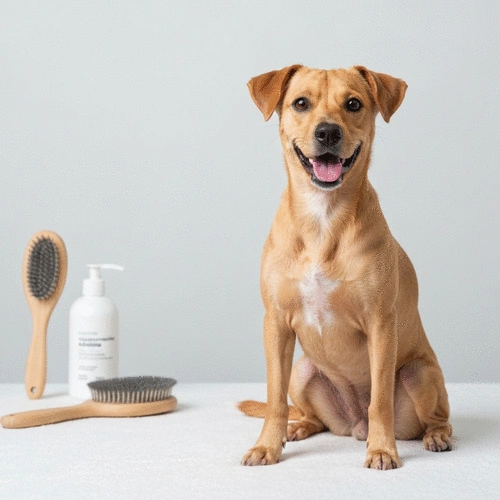
When it comes to ensuring your dog's comfort during grooming, knowledge is your best friend. As a dog owner, recognizing the signs of sensitive skin can transform a routine task into a nurturing experience.
What You Will Learn
- How to identify common signs of sensitive skin in dogs, such as itching, redness, and hotspots.
- The importance of maintaining a healthy skin barrier to protect against irritants and allergens.
- Key grooming practices, including selecting hypoallergenic products and gentle grooming techniques.
- How to create a customized grooming plan tailored to your dog's specific skin needs.
- When to seek professional advice for persistent skin issues or specialized grooming techniques.
Key Aspects for Grooming Dogs with Sensitive Skin
Understanding the common issues and proper care techniques is vital for maintaining your dog's skin health. The visual below outlines key areas to consider for effective grooming. For more detailed guidance, explore our article on gentle grooming for sensitive dogs.
Recognizing Sensitive Skin Signs
- ✓ Itching & Redness
- ✓ Hotspots & Flaky Skin
- ✓ Excessive Scratching
Supporting Skin Barrier Health
- ✓ Gentle Grooming Products
- ✓ Hypoallergenic Solutions
- ✓ Avoid Harsh Chemicals
Common Skin Conditions
- ✓ Allergies (Food, Environmental)
- ✓ Canine Eczema
- ✓ Flea Allergies
Professional Consultation
- ✓ Vet Evaluations
- ✓ Specialized Techniques
- ✓ Tailored Advice
Understanding Your Dog's Sensitive Skin and Grooming Needs
As a devoted pet parent, it’s crucial to be aware of your dog’s sensitive skin and grooming needs. Dogs can often experience skin issues that manifest in various ways, affecting their comfort and overall well-being. Recognizing these signs early can greatly enhance their grooming experience and your bond with them!
Common indicators of sensitive skin in dogs include itching, redness, and hotspots. You may notice your furry friend scratching more than usual, or perhaps you spot some inflamed patches on their coat. These signs can indicate that their skin is reacting to environmental factors, grooming products, or even dietary changes. To help your dog feel more at ease during these times, consider implementing calming dog grooming anxiety tips.
Recognizing Signs of Sensitive Skin in Dogs
- Itching: Frequent scratching or biting at their skin.
- Redness: Irritated or discolored patches of skin.
- Hotspots: Moist, inflamed areas often caused by excessive licking.
- Flaky Skin: Dandruff or dry patches that can indicate irritation.
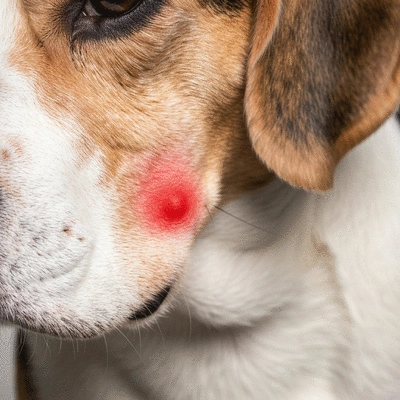
Identifying these symptoms is the first step toward ensuring your dog feels comfortable during grooming. At Tail & Tidy Journal, I always recommend a gentle and observant approach, as recognizing these signs can help prevent more serious skin issues down the road!
The Importance of Protecting the Skin Barrier
A healthy skin barrier is essential for your dog’s overall well-being. It serves as a protective shield against environmental irritants, allergens, and bacteria. When this barrier is compromised, it can lead to discomfort and various skin conditions.
By implementing proper grooming practices, you can support your dog’s skin barrier. This includes using the right grooming products and techniques that are gentle on the skin, thereby promoting a healthier coat and reducing sensitivity. Remember, grooming isn’t just about aesthetics; it’s a vital aspect of your dog’s health!
Common Dog Skin Conditions and Their Impact
Various skin conditions can exacerbate sensitivity in dogs, making it crucial to be informed. Conditions such as allergies and canine eczema can lead to increased discomfort and require specific grooming approaches.
- Allergies: Can result from food, environmental factors, or grooming products.
- Canine Eczema: Often manifests as itchy patches, requiring careful grooming to avoid further irritation.
- Flea Allergies: Even a few flea bites can cause severe reactions in sensitive dogs.
Understanding these conditions can empower you to adapt your grooming routine accordingly. For instance, when dealing with allergies, using hypoallergenic products and maintaining a clean environment is key to minimizing flare-ups. For tips on maintaining a healthy coat, check out our healthy dog coat care tips.
Pro Tip
When selecting grooming products for your dog with sensitive skin, always look for those that are free from parabens and sulfates. These ingredients can exacerbate skin irritations. Instead, opt for natural, hypoallergenic alternatives that nourish and protect the skin barrier, ensuring a soothing grooming experience for your furry friend!
Frequently Asked Questions (FAQs) about Grooming Dogs with Sensitive Skin
What are the most common signs of sensitive skin in dogs?
Common signs include frequent itching, redness or inflamed patches, hotspots (moist, inflamed areas), and flaky skin or dandruff.
Why is a healthy skin barrier important for dogs?
A healthy skin barrier acts as a protective shield against environmental irritants, allergens, and bacteria. When compromised, it can lead to discomfort and various skin conditions.
What kind of grooming products should I use for a dog with sensitive skin?
Always opt for hypoallergenic products that are free from parabens and sulfates. Natural alternatives are often best to nourish and protect the skin barrier.
When should I consult a veterinarian or professional groomer for my dog's skin issues?
If you notice persistent itching, redness, hotspots, or any other concerning skin changes, it's best to consult a vet. Professional groomers can also offer specialized techniques and product recommendations.
Can diet affect my dog's sensitive skin?
Yes, diet can significantly impact skin health. Food allergies are a common cause of sensitive skin. Consulting with your vet about dietary changes can be beneficial.
Summarizing Key Sensitivity Skin Grooming Insights
As we wrap up this discussion on grooming practices for dogs with sensitive skin, it’s essential to remember that consistent care is key! By incorporating gentle techniques and the right products, we can significantly enhance our furry friends' comfort and health. Always keep an eye out for signs of sensitivity and adjust your grooming routine accordingly to meet their unique needs.
Here are some vital practices to keep in mind:
- Choose hypoallergenic grooming products that cater to sensitive skin.
- Implement gentle bathing techniques, using warm water and soft application.
- Regularly brush your dog with soft-bristle brushes to prevent irritation.
- Be attentive to breed-specific grooming guidelines to tailor care effectively.
By prioritizing these practices, you can create a nurturing grooming routine that keeps your dog happy and healthy!
Recognizing and Responding to Skin Issues
Keeping a close watch on your dog's skin health is crucial. Regular check-ups can help you recognize subtle changes that may indicate issues. Common signs to look out for include:
- Redness or inflamed areas
- Itching or excessive scratching
- Hotspots or dry patches
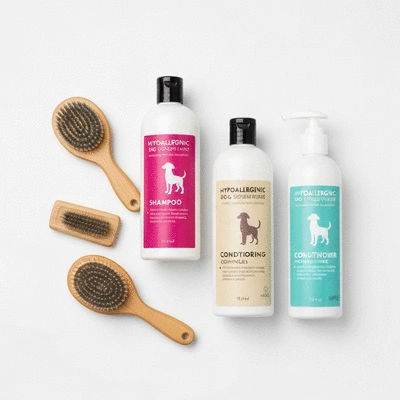
If you notice any of these symptoms, don't hesitate to respond promptly. Quick action can often prevent minor issues from becoming serious problems. Remember, as pet parents, our awareness and responsiveness play a vital role in our dog's overall well-being!
Taking the Next Steps for Your Dog’s Skin Health
Creating a Custom Grooming Plan
Now that you're equipped with knowledge on how to care for your dog's sensitive skin, it’s time to create a custom grooming plan tailored to their needs! Here’s how to get started:
- Assess your dog's skin type and any specific sensitivities.
- Choose appropriate grooming products designed for sensitive skin.
- Establish a grooming schedule that aligns with your dog’s skin health and the changing seasons.
- Incorporate post-grooming care routines to soothe the skin.
Having a tailored plan not only helps maintain your dog's skin health but also deepens the bond between you and your furry friend. At Tail & Tidy Journal, I’m here to guide you through this process with confidence and compassion!
Consulting Professionals for Enhanced Care
Sometimes, our dogs need a little extra support, and that’s perfectly okay! Consulting with a veterinarian or professional groomer can provide valuable insights and tailored advice for your dog's specific condition. Here are some reasons to consider professional input:
- Expert evaluations of skin conditions and sensitivities
- Access to specialized grooming techniques
- Recommendations for effective treatments or products
Don't hesitate to reach out for help! It’s all about ensuring your dog’s comfort and health, and professional guidance can make a significant difference. Together, we can help our furry companions thrive, and even learn how to manage grooming stress effectively.
Recap of Key Points
Here is a quick recap of the important points discussed in the article:
- Recognize signs of sensitive skin in dogs such as itching, redness, and hotspots.
- Implement gentle grooming practices to protect the skin barrier and enhance comfort.
- Utilize hypoallergenic grooming products to minimize irritation for sensitive dogs.
- Establish a custom grooming plan based on your dog's specific needs and sensitivities.
- Consult professionals for tailored advice and insights on managing skin conditions.