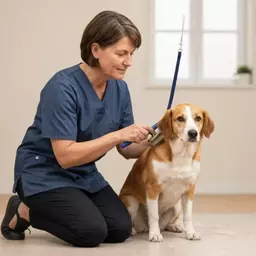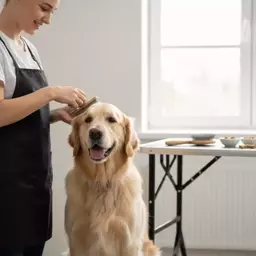
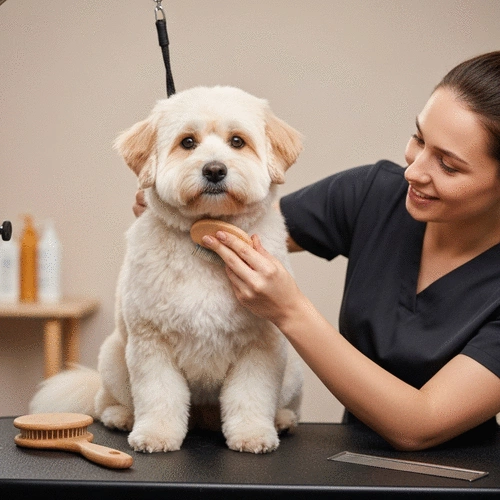
Have you ever watched your dog tremble at the sight of grooming tools? Understanding grooming anxiety can transform this stressful experience into a joyful bonding moment. Let’s delve into effective strategies that can help your furry friend feel safe and secure during grooming.
What You Will Learn
- Recognize the common signs of grooming anxiety, such as shaking, whining, and hiding.
- Implement gentle grooming techniques to build trust and reduce stress during sessions.
- Create a calming environment with soothing music and familiar scents to ease anxiety.
- Use gradual desensitization to familiarize your dog with grooming tools, making them less intimidating.
- Incorporate positive reinforcement, such as treats and praise, to encourage calm behavior during grooming.
- Keep grooming sessions short and enjoyable to prevent overwhelming your dog.
- Engage in pre-grooming exercises to help your dog expend excess energy for a smoother experience.
- Explore calming aids like Thundershirts and natural remedies to enhance your dog’s comfort.
- Consider professional grooming help if anxiety persists, ensuring a safe grooming environment.
- Track your dog's progress during grooming and adjust techniques to suit their evolving comfort levels.
A Guide to Calming Grooming Techniques for Anxious Dogs
This visual highlights techniques and steps to reduce grooming anxiety in dogs, focusing on a gentle, positive, and consistent approach.
Understanding Grooming Anxiety
Grooming can be overwhelming for dogs. Recognizing signs like shaking, whining, or hiding is key to a calmer routine.
Signs of Anxiety
- Shaking/trembling
- Whining/vocalizing
- Hiding/escaping
- Excessive panting/drooling
- Refusing cooperation
Knowing these helps tailor your approach.
Gentle Approach Benefits
- Minimizes stress
- Fosters trust
- Makes grooming easier
- Promotes emotional well-being
- Long-lasting positive outcomes
Patience is crucial for building trust.
Key Techniques to Reduce Anxiety
1. Create Calm Environment
- Quiet area, soothing music
- Comfortable surfaces (blankets)
- Familiar scents/toys
2. Gradual Desensitization
- Introduce tools one at a time
- Allow investigation
- Use treats for positive association
3. Positive Reinforcement
- Treats and praise for calm behavior
- Extra cuddles after grooming
- Fosters trust and love
4. Short, Positive Sessions
- Start with a few minutes
- Gradually increase duration
- Always end on a positive note
5. Pre-Grooming Exercise
- Short walk or playtime
- Expends excess energy
- Calmer pup for grooming
6. Calming Aids/Products
- Thundershirts, Adaptil
- Natural remedies (lavender oil)
- Enhance comfort level
7. Professional Help
- Mobile groomers for familiar environment
- Vet consultations for tailored solutions
8. Grooming Safety
- Appropriate tools
- Gentle, cautious handling
- Breaks if overwhelmed
Encouraging Stress-Free Grooming
Track Progress
- Reduced whining/barking
- Relaxed body language
- Increased willingness
Post-Grooming Recovery
- Cozy spot, treats
- Gentle interactions
- Reinforce positive experience
Consistent Schedule
- Regular day/time
- Routine (bath, brush, nails)
- Gradually increase duration
Understanding Grooming Anxiety in Dogs
Grooming can be an overwhelming experience for many dogs, leading to what we call grooming anxiety. As a pet care expert, I've seen firsthand how this anxiety manifests in our furry friends. Common signs include shaking, whining, or even trying to hide when they sense grooming tools coming out. It's essential to recognize these signs early on so we can address them effectively!
Dogs may not be able to express their feelings with words, but their body language tells us so much. You might notice your pup is more restless, drooling, or attempting to escape the grooming area. Understanding these signals is the first step to creating a calmer grooming routine at Tail & Tidy Journal.
Recognizing Signs of Anxiety During Grooming
- Shaking or trembling
- Whining or vocalizing
- Hiding or trying to escape
- Excessive panting or drooling
- Refusing to cooperate during grooming tasks
When we can identify these signs, we can tailor our approach to make grooming a more positive experience. Remember, your dog’s comfort is key to reducing anxiety!
The Importance of a Gentle Approach
In my experience, using gentle grooming techniques can significantly minimize a dog's stress. A calm approach allows your pup to feel safe and secure, transforming grooming from something to dread into a bonding experience! It’s all about creating trust between you and your dog. This process not only makes grooming easier but also fosters emotional well-being.
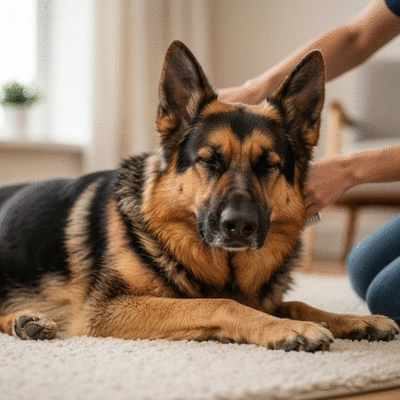
Gentle methods help your dog associate grooming with love and care, rather than fear. I often remind fellow pet parents that patience is crucial; taking the time to nurture this relationship can lead to long-lasting positive outcomes!
Gentle Grooming Techniques to Reduce Anxiety
Create a Calm Environment for Grooming
Creating a soothing space for grooming is a game-changer. Think about setting up a quiet area with soothing music playing softly in the background. This makes the environment feel less intimidating! You might also want to include comfortable surfaces for your dog to rest on, such as soft blankets or cushions.
Don't forget about familiar scents! Bringing in their favorite blanket or toy can significantly enhance their comfort level. By making the environment welcoming, you help reduce anxiety right from the start.
Gradual Desensitization to Grooming Tools
Taking small, gradual steps to introduce grooming tools is vital. Start by letting your dog sniff and explore the tools without any direct grooming happening. This way, they can become familiar with the sights and sounds without the associated stress of being groomed.
- Introduce grooming tools one at a time.
- Allow your dog to investigate each tool.
- Use treats to create positive associations with the tools.
By slowly desensitizing them, you’re building their confidence and reducing fear. It’s all about taking the time to make grooming a *non-threatening* experience!
Incorporate Positive Reinforcement During Grooming
One of the best ways to encourage a positive association with grooming is through positive reinforcement. This can be as simple as giving your dog treats or lots of praise during the grooming process. By rewarding them for calm behavior, you’re teaching them that grooming is a good thing!
Consider setting aside some time after grooming for extra cuddles and treats. This creates a lasting memory associated with grooming that your pup will cherish. Remember, it’s all about fostering trust and love!
Keep Grooming Sessions Short and Positive
Short and sweet is the way to go! Limiting grooming time to just a few minutes can prevent overwhelming your dog. I recommend starting with short sessions, gradually increasing the duration as your dog becomes more comfortable.
- Begin with just a few minutes of grooming.
- Gradually increase the time as your dog adjusts.
- Always end on a positive note!
This technique not only helps reduce anxiety but also leaves your dog wanting to engage in grooming again in the future. Keeping it light and fun should always be the goal!
Utilizing Pre-Grooming Exercise for Calmness
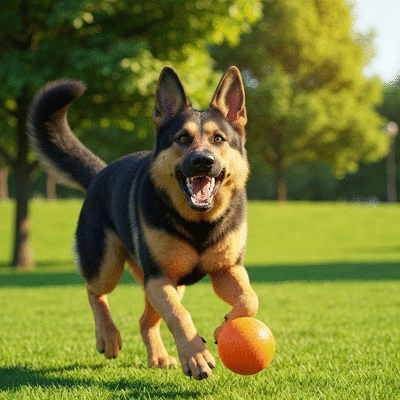
Before you start grooming, consider a little pre-grooming exercise! Taking your dog for a short walk or engaging in playtime can help expend excess energy. A tired pup is usually a calmer pup, making for a much smoother grooming experience.
Think of it as getting the wiggles out! A fun play session can set the stage for a peaceful grooming session.
Exploring Calming Aids and Products
Sometimes, calming aids can also provide that extra boost of relaxation. Products like Thundershirts or Adaptil can create a sense of security for anxious dogs. Additionally, natural remedies like lavender oil can have a soothing effect; you might even use it in your grooming environment!
- Thundershirts for a calming effect.
- Adaptil diffusers or sprays to reduce stress.
- Natural remedies like lavender oil to soothe nerves.
Using these aids can significantly enhance your dog’s comfort level during grooming sessions.
Considering Professional Help: Mobile Groomers and Vet Consultations
If anxiety continues to be a concern, don’t hesitate to seek professional help. Mobile groomers can offer a more familiar and less intimidating environment for your pet. Additionally, consulting with a veterinarian can provide insights into anxiety solutions tailored to your dog’s specific needs.
Remember, it’s always okay to reach out for help! We all want our furry friends to feel safe and happy during grooming.
Understanding Grooming Safety to Prevent Anxiety
Lastly, ensuring safety during grooming is crucial for a stress-free experience. Using appropriate grooming tools can help prevent discomfort and fear. Always be gentle and cautious while handling your dog, and never rush through grooming tasks.
- Choose the right tools for your dog’s coat type.
- Practice safe handling techniques.
- Take breaks if your dog seems overwhelmed.
By prioritizing safety, we reinforce a positive grooming environment, which in turn helps mitigate anxiety. Your pup will appreciate the care you put into making their grooming experience a safe one!
Quick Summary
Here's a brief recap of the key points discussed so far:
- Grooming anxiety in dogs can manifest through signs like shaking, whining, and hiding.
- Creating a calm and gentle grooming environment is essential for reducing anxiety.
- Using positive reinforcement and keeping grooming sessions short helps build trust and comfort.
- Consider professional help if anxiety persists, as mobile groomers can provide a familiar setting.
Frequently Asked Questions About Grooming Anxious Dogs
- What are the common signs of grooming anxiety in dogs?
- Common signs include shaking, trembling, whining, vocalizing, hiding, trying to escape, excessive panting or drooling, and refusing to cooperate during grooming tasks.
- How can I create a calming environment for grooming?
- Set up a quiet area, play soothing music, use comfortable surfaces like blankets, and introduce familiar scents or toys to make the environment welcoming and less intimidating.
- What is gradual desensitization, and how does it help?
- Gradual desensitization involves slowly introducing grooming tools to your dog, allowing them to sniff and explore without immediate grooming. This builds confidence and reduces fear by creating positive associations with treats and praise.
- How important is positive reinforcement during grooming?
- Positive reinforcement, such as treats and praise for calm behavior, is crucial. It teaches your dog that grooming is a positive experience, fostering trust and love.
- When should I seek professional help for my dog's grooming anxiety?
- If your dog's anxiety persists despite your efforts, consider seeking professional help from mobile groomers, who can provide a familiar environment, or consult a veterinarian for tailored anxiety solutions.
Encouraging a Stress-Free Grooming Experience
As a passionate advocate for dog grooming, I've seen firsthand how a stress-free grooming experience can transform not only your dog’s mood but also your bonding time. It’s crucial to track your dog’s progress over time and adjust your techniques as needed to create a happy and comfortable grooming routine.
Tracking Progress and Adjusting Techniques
Monitoring your dog's improvement during grooming sessions is essential for promoting comfort and reducing anxiety. Keep an eye out for subtle changes in their behavior, such as:
- Reduced whining or barking during grooming
- More relaxed body language, like a wagging tail or relaxed ears
- Increased willingness to approach grooming tools
By paying attention to these signs, you can adjust your techniques to better suit your dog’s needs. For example, if your pup seems anxious around certain tools, consider spending more time desensitizing them to those specific items. Remember, the goal is to foster a sense of trust and comfort in each grooming session!
Post-Grooming Recovery Tips for Your Dog
Once grooming is complete, it’s important to help your dog relax and unwind. Just like we need a little downtime after a busy day, your furry friend deserves the same! Here are some simple strategies to aid in their recovery:
- Create a cozy spot with their favorite blanket or bed.
- Engage in gentle, positive interactions like petting or cuddling.
- Offer a special treat or toy as a reward for their bravery.
These post-grooming moments not only help your dog feel more secure but also reinforce that grooming is a positive experience. It’s all about building a supportive routine that they can look forward to!
Establishing a Consistent Grooming Schedule
Consistency is key when it comes to reducing grooming anxiety. Establishing a regular grooming schedule allows your dog to become familiar with the process, making each session easier. Here’s how to set it up:
- Choose a specific day and time each week for grooming.
- Stick to a routine that includes bath time, brushing, and nail trimming.
- Gradually increase the duration of each session as they become more comfortable.
A consistent schedule not only builds familiarity but also helps to create a sense of security for your pup. They’ll start to associate grooming time with love and care, rather than anxiety.
Recap of Key Points
Here is a quick recap of the important points discussed in the article:
- Recognize signs of grooming anxiety, including shaking, whining, and hiding.
- Utilize a gentle approach to foster trust and reduce stress during grooming sessions.
- Create a calm environment with soothing music and familiar scents to make grooming less intimidating.
- Gradually desensitize your dog to grooming tools using positive reinforcement techniques.
- Keep grooming sessions short and always end on a positive note to reinforce a good experience.
- Consider pre-grooming exercise to help your dog expend excess energy for a calmer session.
- Explore calming aids like Thundershirts and lavender oil to enhance relaxation.
- If necessary, seek professional help from mobile groomers or veterinarians for ongoing anxiety issues.
- Ensure safety during grooming by using the right tools and gentle handling techniques.