What if the simple act of grooming your pet could transform from a source of stress into a moment of bonding and trust? Understanding grooming stress is crucial for any pet owner. Let’s explore key insights that can help you create a calmer grooming experience for your furry friend.
What You Will Learn
- Grooming stress affects both dogs and rodents, impacting their emotional health and behavior.
- Common signs of grooming stress include excessive licking, vocalizations, and avoidance of grooming tools.
- Recognizing behavioral signs like panting or hiding can help in identifying stress in your pet.
- Understanding species-specific grooming behaviors is essential for effective stress management.
- Implementing calming techniques such as gentle touches and breaks during grooming can enhance your pet's comfort.
- Consulting a veterinary behaviorist is advisable if grooming stress persists despite your efforts.
Understanding and Managing Grooming Stress Factors
This visual outlines key indicators, neural underpinnings, and management strategies for grooming stress in pets. To learn more about how to specifically implement stress-free dog grooming tips, check out our detailed guide.
Behavioral Indicators of Grooming Stress
- • Excessive licking/biting fur
- • Increased restlessness or pacing
- • Vocalizations (whining, growling)
- • Avoidance of grooming tools
- • Panting/shallow breathing
- • Attempts to escape or hide
Neural Pathways in Grooming Stress
Grooming stress involves specific brain regions:
- • HPA Axis Activation: Governs stress response, leading to physiological changes.
- • Corticostriatal Circuits: Influence repetitive behaviors like excessive grooming.
- • Limbic Pathways: Mediate emotional responses such as anxiety and fear.
Species-Specific Grooming Behaviors
Stress manifestations vary:
- ► Dogs: Vocalizations, escape attempts, panting, destructive behaviors.
- ► Cats: Hiding, aggressive behaviors, excessive self-grooming leading to bald patches.
- ► Rodents: Increased grooming frequency/duration due to stress.
Checklist for Handling Grooming Stress
- ✓ Monitor body language (ears back, tense body)
- ✓ Implement calming techniques (gentle touches, soothing voice)
- ✓ Take frequent breaks
- ✓ Adjust approach based on pet's comfort
- ✓ Consider professional help if stress is severe
Understanding Grooming Stress in Animals
What Is Grooming Stress and Why Is It Important?
Grooming stress refers to the anxiety and discomfort pets can experience during grooming sessions. As a passionate advocate for canine care at Tail & Tidy Journal, I’ve seen how important it is to recognize this stress. Grooming stress can manifest in various ways and significantly impact a dog’s emotional health. Understanding this concept is crucial for pet parents and groomers, as it helps create a calmer grooming environment.
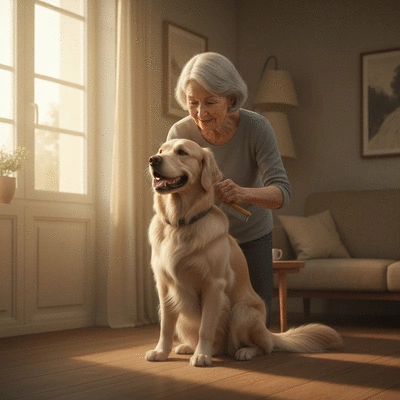
Both dogs and rodents can exhibit signs of grooming stress, which affects their overall behavior and mental well-being. It's vital to identify these signs early on. By doing so, we can make grooming a more positive experience, fostering trust and comfort in our furry friends!
Indicators of Stress-Induced Grooming Behavior
Common signs of grooming stress include increased frequency and duration of grooming behaviors. For instance, if your dog is excessively licking or biting at their fur, it may indicate underlying emotional stress. This behavior is often linked to the activation of the hypothalamic-pituitary-adrenal (HPA) axis, which governs the body's response to stress.
- Excessive licking or biting of the fur
- Increased restlessness or pacing
- Vocalizations during grooming
- Avoidance of grooming tools
Observing these indicators can help you understand your pet's emotional state and allow you to adjust your grooming approach accordingly. The goal is to create a nurturing space where they feel safe and secure. For more detailed insights, consider our article on calming dog grooming anxiety tips.
Common Stress Indicators in Pets: Recognizing Behavioral Signs
Stress can manifest in various behavioral signs in our pets. For dogs, indicators like panting, excessive grooming, and hiding are common when they feel anxious. It’s essential to be mindful of these behaviors. As an expert in pet care, I encourage pet owners to look for these signals to help identify when their pet is uncomfortable.
- Panting or shallow breathing
- Excessive drooling
- Attempts to escape or hide
- Destructive behaviors
By recognizing these signs early, you can take steps to alleviate your pet's stress and create a more enjoyable grooming experience. Remember, grooming should be a time of connection and care, not a source of anxiety.
Analyzing Grooming Patterns and Their Neural Underpinnings
Neuroscience of Grooming Stress: Key Insights
When we dive deeper into the neuroscience of grooming stress, we find that specific neural circuits are involved. The corticostriatal circuits and limbic pathways play a significant role in how animals respond to stress during grooming. Understanding these mechanisms can help us tailor our grooming techniques to better suit our pets' needs.

Comparative Analysis: Grooming in Rodents vs. Dogs
Grooming behaviors can vary significantly between species. For instance, while both dogs and rodents groom themselves, the underlying reasons and methods differ. Recognizing these variations is essential for effective stress management in pets.
Feline vs. Canine Behavior: Understanding Differences in Grooming Stress
Cats and dogs exhibit distinct signs of grooming stress, emphasizing the need for species-specific approaches. While dogs may show stress through vocalizations and escape attempts, cats often resort to hiding or aggressive behaviors. Being aware of these differences can enhance our understanding of their grooming experiences.
Pro Tip
To minimize grooming stress, consider integrating short, positive training sessions into your grooming routine. Using treats and praise, reward your pet for calm behavior during grooming. This can help create a more positive association with the grooming process and reduce anxiety over time.
Taking Action: Implementing Knowledge on Grooming Stress
Checklist for Recognizing and Handling Grooming Stress
Understanding grooming stress is crucial for any pet owner or groomer. To help you identify and address these concerns, here’s a handy checklist to keep in mind. This can serve as a guide during grooming sessions, ensuring your furry friend feels safe and comfortable!
- Look for signs of stress: panting, excessive licking, and tail tucking.
- Monitor duration: note if your pet seems restless or attempts to escape.
- Assess their body language: are their ears back or their body tense?
- Implement calming techniques: gentle touches and soothing voices work wonders!
- Take breaks: allow your pet time to relax and regroup during grooming.
Utilizing this checklist can significantly enhance the grooming experience for your dog, making it a less stressful affair. Remember, even the smallest adjustments can lead to big improvements in your pet’s comfort and trust! For more information on creating a calm experience, see our article on calm grooming for anxious dogs.
Frequently Asked Questions About Grooming Stress
- What is grooming stress in pets?
- Grooming stress refers to the anxiety and discomfort pets experience during grooming sessions, which can significantly impact their emotional health and behavior.
- What are common signs of grooming stress?
- Common signs include excessive licking or biting fur, increased restlessness or pacing, vocalizations (whining, growling), avoidance of grooming tools, panting, shallow breathing, attempts to escape, and hiding.
- How does grooming stress differ between species?
- Stress manifestations vary by species. Dogs may show vocalizations and escape attempts, cats might hide or display aggressive behaviors, and rodents may increase grooming frequency due to stress.
- What are the neural underpinnings of grooming stress?
- Grooming stress involves the activation of the HPA axis (stress response), corticostriatal circuits (repetitive behaviors), and limbic pathways (emotional responses like anxiety and fear).
- What calming techniques can be used during grooming?
- Implementing gentle touches, using a soothing voice, taking frequent breaks, and adjusting your approach based on your pet's comfort can help reduce stress.
- When should I consult a veterinary behaviorist?
- If your pet exhibits persistent signs of severe anxiety, sudden behavioral changes (aggression or withdrawal), or if home efforts to alleviate stress are not effective, it's advisable to seek professional help.
Resources and Further Reading on Grooming Stress
If you're keen to dive deeper into the fascinating world of grooming stress and canine behavior, I’ve gathered some fantastic resources for you! These can help you gain a better understanding and offer more strategies for creating a positive grooming experience.
- Scientific literature on grooming stress
- Expert articles on dog behavior
- Educational videos on animal grooming stress
These resources are invaluable for pet parents and groomers alike, offering insights and tips that align with our mission here at Tail & Tidy Journal. The more we learn, the better we can care for our furry companions!
Accessing Professional Help: When to Consult a Veterinary Behaviorist
Sometimes, recognizing stress in our pets may require a professional touch. If you notice severe anxiety that doesn't improve with your efforts, it might be time to consult a veterinary behaviorist. Here's how to gauge when professional help is necessary:
- Persistent signs of stress: If your dog continuously exhibits anxiety during grooming.
- Behavioral changes: Sudden aggression or withdrawal can indicate deeper issues.
- Inadequate results from home efforts: If calming techniques aren’t working, reach out!
Finding the right veterinary behaviorist can make a significant difference in your pet’s well-being. They can offer tailored strategies to manage grooming stress effectively, ensuring your dog feels at ease during grooming sessions. For additional insights on supporting your pet, explore ways to boost your dog's grooming confidence.
Recap of Key Points
Here is a quick recap of the important points discussed in the article:
- Grooming stress can significantly impact a pet's emotional health and should be recognized by pet owners and groomers.
- Common signs of grooming stress include excessive licking, restlessness, vocalizations, and avoidance of grooming tools.
- Recognizing behavioral signs of stress, such as panting and attempts to escape, is crucial for creating a calm grooming environment.
- Understanding the neuroscience behind grooming stress can help tailor grooming techniques to better suit pets' needs.
- Implementing calming techniques and taking breaks during grooming can enhance the overall experience for pets.
- Consulting a veterinary behaviorist may be necessary if stress persists despite home efforts.