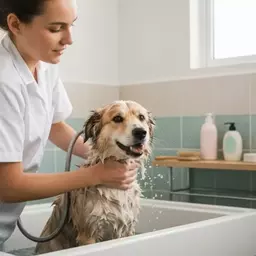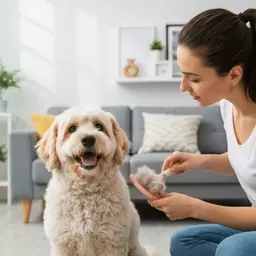
Have you ever noticed how a dog's coat can reflect their overall health? A shiny, well-groomed coat not only looks great but also plays a crucial role in your furry friend's well-being. Let's dive into why maintaining a healthy coat is essential and what you can do to ensure your pup stays happy and healthy!
What You Will Learn
- Regular grooming reduces shedding and enhances skin health.
- Understanding your dog's breed is vital for effective coat maintenance.
- Myths about grooming can lead to poor coat care practices—every dog benefits from regular grooming!
- Nutrition significantly affects coat health; ensure your dog’s diet includes essential nutrients.
Dog Coat Care: What You Need to Know
Understanding the nuances of dog coat care can significantly improve your pet's health and happiness. Here's a breakdown of common misconceptions versus facts, and how breed influences maintenance.
Common Misconceptions vs. Facts
- Myth: Only long-haired dogs need frequent grooming.
- Fact: Every dog needs regular brushing.
- Myth: It's okay to skip grooming during winter.
- Fact: Winter coats still need upkeep.
How Dog Breed Affects Coat Maintenance
- Poodles: Curly coats need regular clipping and grooming.
- Huskies: Double-coated breeds need seasonal shedding management.
- Wirehaired: Require specific brushes for unique texture.
- Silky-haired: Often need frequent grooming to prevent tangling.
Key Takeaways for Coat Care
- Brushing: Reduces shedding, promotes healthy skin.
- Products: Use right shampoos & conditioners.
- Nutrition: Key role in coat health.
- Seasonal: Adjust routines for weather extremes.
Your Personalized Grooming Schedule
- Daily: Quick brush to remove loose hair.
- Weekly: Thorough brushing and a bath.
- Monthly: Check for skin issues, professional groomer if needed.
Understanding the Importance of a Healthy Dog Coat
Your dog's coat isn't just for looks—it's a crucial part of their overall health! A healthy coat can indicate a happy, well-cared-for dog. At Tail & Tidy Journal, I often emphasize that coat wellness plays a pivotal role in your dog's physical and emotional well-being. A shiny and well-groomed coat not only keeps your pup looking great but also helps protect their skin from various ailments. For more in-depth information, you can refer to resources on canine coat health from trusted veterinary institutions.
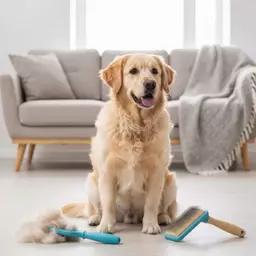
Moreover, a well-maintained coat can significantly reduce shedding and skin issues, leading to a cleaner home environment. When you invest time in your dog's grooming routine, you're not just enhancing their appearance; you're also nurturing their health and happiness!
Why Coat Wellness Matters for Overall Dog Health
Coat wellness is closely linked to your dog's overall health. A healthy coat can serve as a barrier against environmental irritants, while also helping to regulate their body temperature. When your pup's coat is clean and well-maintained, it can prevent skin irritations and promote better air circulation to their skin. The appearance of your dog's coat and skin is often a strong indicator of their general health.
- Reduces risk of skin infections
- Prevents excessive shedding
- Improves comfort and temperature regulation
- Enhances your dog's mood and confidence
As a pet parent, recognizing the indicators of a healthy coat can help you stay alert to any changes that might suggest underlying health issues. Regular grooming not only keeps your dog's coat in good shape but strengthens the bond you share!
Common Misconceptions About Dog Coat Care
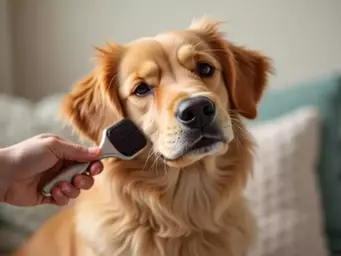
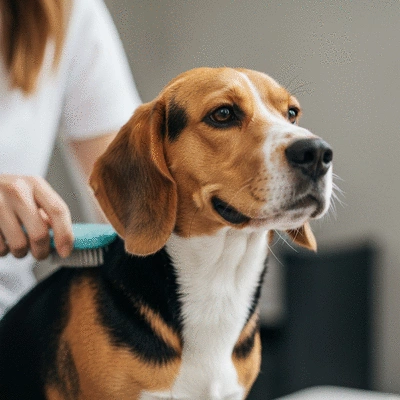
Many people believe that a dog's coat requires little attention beyond the occasional bath. However, this is a common misconception! In reality, grooming involves much more than just washing. Regular brushing, for instance, is essential for removing dirt, dead hair, and preventing mats. The ASPCA offers various dog grooming tips that highlight the importance of consistent care for all coat types.
- Myth: Only long-haired dogs need frequent grooming.
- Fact: Every dog, regardless of coat length, benefits from regular brushing.
- Myth: It's okay to skip grooming during the winter.
- Fact: Winter coats can still trap dirt and moisture, necessitating upkeep.
By debunking these myths, pet parents can better appreciate the importance of a consistent grooming routine to ensure their dog's coat remains healthy!
How Dog Breed Affects Coat Maintenance
Understanding your dog's breed can be a game-changer in coat care. Different breeds come with distinct coat types, each requiring unique maintenance techniques. For example, poodles have curly coats that need regular clipping and grooming to prevent matting, while short-haired breeds like beagles may only need occasional brushing.
- Double-coated breeds (like Huskies) need seasonal shedding management.
- Wirehaired breeds require specific brushes to manage their unique texture.
- Silky-haired breeds often require more frequent grooming to maintain shine and prevent tangling.
It's essential to tailor your grooming routine based on your pup's breed characteristics for optimal coat health. Remember, each dog is unique, and a personalized approach will lead to the best results!
Pro Tip
Did you know? Regularly incorporating a gentle massage during grooming can not only help remove loose fur but also stimulate blood circulation, promoting a healthier coat. This soothing technique enhances relaxation for your dog, turning grooming into a bonding experience!
Frequently Asked Questions About Dog Coat Care
- Q: Why is a healthy dog coat important?
- A: A healthy coat is crucial for your dog's overall well-being, acting as a protective barrier against environmental irritants, regulating body temperature, and indicating good general health.
- Q: Do all dogs need regular grooming, regardless of coat length?
- A: Yes, every dog benefits from regular grooming. While long-haired dogs may require more frequent attention to prevent matting, even short-haired breeds need brushing to remove dead hair and promote skin health.
- Q: How does a dog's breed affect its coat maintenance?
- A: Different breeds have distinct coat types that require unique care. For example, poodles need regular clipping, Huskies need seasonal shedding management, and silky-haired breeds require frequent grooming to prevent tangling. It’s important to tailor your routine to your dog's specific breed characteristics.
- Q: What are the key elements of a good dog coat care routine?
- A: Key elements include regular brushing to reduce shedding and promote skin health, using appropriate shampoos and conditioners, ensuring a nutritious diet, and adjusting grooming routines seasonally for weather extremes.
- Q: How can I tell if my dog's coat is healthy?
- A: A healthy coat is typically shiny, smooth, and free of mats, excessive shedding, or foul odors. Signs of an unhealthy coat can include dullness, greasiness, dry skin, excessive scratching, or changes in texture.
Summarizing Key Takeaways for Dog Coat Care
Taking care of your dog’s coat is more than just a grooming task; it’s about fostering their overall health and well-being. By implementing the tips and techniques we’ve discussed, you can enhance your furry friend’s coat health and create a more enjoyable grooming experience! Here are some key takeaways:
- Regular brushing not only reduces shedding but also promotes a healthy skin environment.
- Finding the right grooming products, like shampoos and conditioners, is crucial for maintaining coat wellness.
- Nutrition plays a significant role in coat health—focus on incorporating key nutrients into your dog’s diet.
- Seasonal changes call for adjustments in grooming routines to protect against weather extremes.
As we wrap up this section, remember that every dog is unique. Tailoring your grooming routine to fit your dog’s specific needs will yield the best results!
Integrating Tips into Your Routine for Lasting Results
Incorporating the strategies we’ve discussed into your daily or weekly routine can make a world of difference. Start by setting aside time for brushing—this not only helps with coat maintenance but also strengthens your bond with your pup! Create a simple checklist that includes:
- Brushing frequency based on your dog’s coat type
- Bathing schedule that considers your dog’s activity level and coat condition
- Regular checks for skin issues and allergies
By keeping these points in mind, you’ll create a consistent grooming routine that not only keeps your dog looking great but also feeling great!
Encouraging Community Engagement Through Local Resources
Engaging with your community can enhance your grooming practices! Connect with other pet parents through local events or online forums. These resources can provide valuable insights and recommendations:
- Local dog grooming salons—ask for their best practices!
- Pet fairs and expos that often feature grooming workshops
- Online groups or social media pages dedicated to pet care tips
Being part of a community not only helps you stay informed but also provides a support system for sharing experiences and advice!
Your Next Steps for a Healthy Dog Coat
Now that you’re equipped with the knowledge for maintaining your dog’s coat, let’s take the next steps toward a happy, healthy pup!
Creating a Personalized Grooming Schedule
Crafting a grooming schedule tailored to your dog’s needs is essential. Consider their breed, age, and activity level when creating this schedule. A practical approach might look like this:
- Daily: Quick brush to remove loose hair
- Weekly: Thorough brushing and a bath
- Monthly: Check for skin issues and visit a professional groomer if necessary
By sticking to a personalized routine, you’ll help keep your dog’s coat shiny and healthy!
Where to Find Trusted Grooming Products and Services
When it comes to grooming products, quality matters! Look for trusted brands that prioritize your dog’s health and safety. Here are some places to start:
- Local pet supply stores with knowledgeable staff
- Online retailers specializing in pet care products
- Recommendations from veterinarians or fellow dog owners
Taking the time to choose the right products will make a significant difference in your grooming routine!
Understanding Your Responsibilities as a Pet Owner for Optimal Coat Health
As a pet owner, your role in ensuring your dog’s coat health is vital. This includes not just grooming but also observing any changes in their coat or skin. Be attentive to signs like:
- Excessive scratching or licking
- Foul odors that may indicate skin issues
- Changes in coat texture or fullness
By staying alert and responsive to your dog’s needs, you’ll help them achieve optimal coat health and overall happiness!
Recap of Key Points
Here is a quick recap of the important points discussed in the article:
- Coat wellness is essential for your dog's overall health and well-being, acting as a barrier against irritants and regulating temperature.
- Regular grooming reduces shedding, prevents skin issues, and enhances your dog's mood and confidence.
- Myths debunked: All dogs, regardless of coat length, require regular grooming to maintain coat health.
- Tailored grooming practices based on breed characteristics will yield the best results for your dog's coat maintenance.
- Monitor coat and skin changes as they can indicate underlying health issues, and adjust grooming routines accordingly.