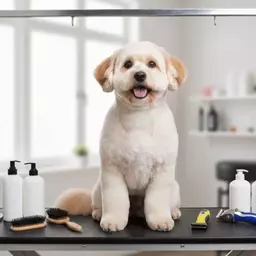
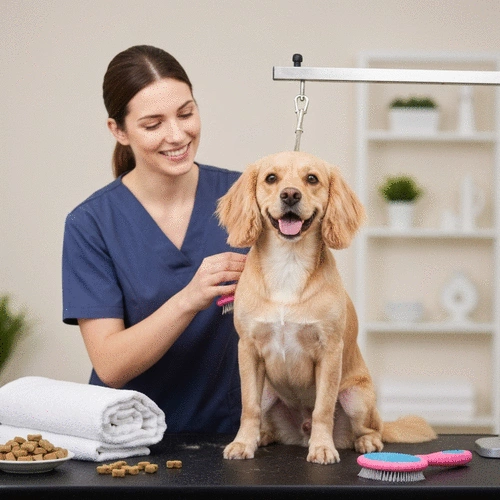
Did you know that grooming can be a source of anxiety for many dogs? Understanding the reasons behind this stress can help transform grooming from a chore into a bonding ritual. Let’s explore how to make grooming a more enjoyable experience for your furry friend!
What You Will Learn
- Recognize the signs of grooming anxiety in dogs to intervene early.
- Identify common stress triggers in grooming environments, such as strange sounds and smells.
- Implement positive reinforcement techniques to reduce anxiety and build trust.
- Utilize behavior modification strategies like desensitization to create a calm grooming routine.
- Tailor grooming experiences based on your dog's unique preferences for a more positive outcome.
How to Reduce Dog Grooming Anxiety
Grooming can be a stressful experience for dogs. Understanding triggers and using positive reinforcement can transform it into a positive bonding time.
Common Stress Triggers
- Strange sounds (clippers, dryers)
- Unfamiliar smells (products)
- Physical restraint
- Inconsistent handling
Identifying these helps mitigate their effects for a calmer experience.
Benefits of Positive Reinforcement
- Reduces stress (lower cortisol)
- Enhances learning retention
- Less aggression and fear
- Improved compliance & trust
Rewards-based training creates a positive association with grooming.
Key Behavior Modification Techniques
- Shaping: Gradually reinforce desired behaviors.
- Desensitization: Slowly introduce tools, reward calmness.
- Counter-conditioning: Pair grooming with treats/praise.
These foster positive associations and lasting change.
Building a Positive Grooming Routine
- Use treats and praise liberally.
- Keep sessions short and engaging.
- Make grooming a predictable routine.
- Tailor to your dog's preferences.
Consistent, positive interactions build trust and reduce anxiety.
Understanding Stress in Dog Grooming Situations
Grooming can be a time of bonding and care for our furry friends, but it can also be a significant source of stress for many dogs. Understanding the underlying causes of grooming anxiety is the first step toward creating a positive experience for both you and your pup. As someone who has worked closely with dogs, I've seen how anxiety can manifest in various ways during grooming sessions, and I want to share that knowledge with you!
It's important to recognize that dogs can experience anxiety just like we do. When faced with grooming situations, they may feel vulnerable, especially if they’re not accustomed to the process. By understanding their feelings, we can better help them relax and enjoy grooming, transforming it from a dreaded chore into a cherished ritual. For more detailed guidance, consider exploring techniques for calm grooming for anxious dogs.
The Impact of Grooming Anxiety on Dogs
Grooming anxiety can have several negative effects on our canine companions. Dogs that experience high levels of stress during grooming may become fearful and resistant, leading to a cycle of anxiety. This not only affects their grooming experience but also impacts their overall well-being. They might associate grooming with discomfort or fear, which can result in behavioral issues down the line.
- Increased agitation and resistance during grooming
- Potential physical harm to themselves or the groomer if they struggle
- Long-term avoidance of grooming, leading to health issues
By recognizing these effects, we can take proactive steps to alleviate stress. The goal is to foster a positive association with grooming, ensuring our dogs feel safe and loved throughout the process.
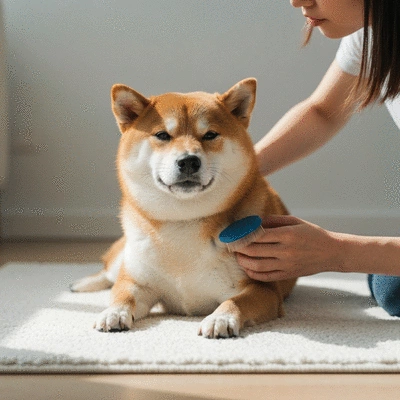
Common Stress Triggers in Grooming Environments
Identifying specific stress triggers can be immensely helpful in reducing anxiety during grooming. Various factors contribute to a dog's discomfort, and being mindful of these can make all the difference!
- Strange sounds, such as clippers or dryers
- Unfamiliar smells associated with grooming products
- Physical restraint during the grooming process
- Inconsistent handling by groomers or owners
By being aware of these potential triggers, we can work to mitigate their effects. For instance, introducing calming sounds or using familiar scents can help create a more soothing environment.
Recognizing Signs of Canine Anxiety During Grooming
As pet parents, it's crucial to be vigilant about the signs of anxiety in our dogs. Recognizing these signs early can help us modify our approach and ensure a more positive grooming experience. Look for behaviors such as:
- Whining or barking excessively
- Attempting to hide or escape the grooming area
- Shaking or trembling
- Pacing or excessive movement
These cues indicate that your pup may be experiencing stress. By responding compassionately and adjusting our techniques, we can help them feel more comfortable. Remember, grooming should be a nurturing experience that strengthens the bond between you and your dog!
Pro Tip
Did you know? Incorporating familiar scents during grooming can help soothe your dog's anxiety. Try using a cloth with a scent they love or one that smells like you. This simple technique can create a calming atmosphere and help your furry friend feel more at ease!
Evaluating the Benefits of Positive Reinforcement in Grooming
As a pet care expert, I can’t stress enough the importance of positive reinforcement in grooming. This approach not only helps dogs feel more comfortable but also creates a bonding experience that can last a lifetime. Research shows that dogs respond better to training methods that reward good behavior rather than punish bad behavior. Think of it as a gentle nudge toward better habits!
Implementing positive reinforcement during grooming can significantly reduce anxiety and build trust between you and your furry friend. It’s about making grooming feel safe and enjoyable, which ultimately leads to a more harmonious experience. Let’s dive into some scientific evidence that supports this effective method! If you're looking for additional ways to calm your dog during grooming, check out these calming dog grooming anxiety tips.
Scientific Evidence Supporting the Effectiveness of Positive Reinforcement
Studies indicate that dogs trained with positive reinforcement techniques show a marked improvement in their behavior during grooming sessions. One notable finding is that dogs subjected to reward-based training are less likely to exhibit signs of stress, like growling or trying to escape. Instead, they become more relaxed and willing to cooperate!
- Research highlights that positive reinforcement enhances learning retention.
- Studies show reduced cortisol levels in dogs when rewards are used during grooming.
- Dogs trained with positive methods often display less aggression and fear.
This evidence speaks volumes about how a gentle touch can make all the difference. At Tail & Tidy Journal, we firmly believe incorporating these techniques helps transform grooming from a stressful ordeal into a delightful ritual!
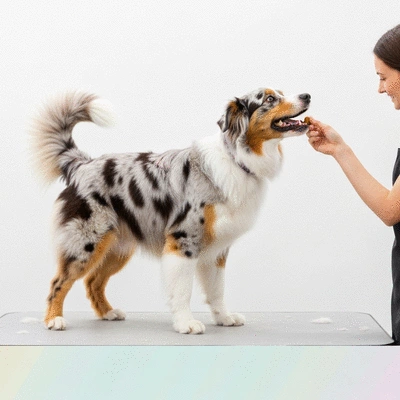
Long-Term Impacts on Your Dog’s Behavior During Grooming
By consistently using positive reinforcement, you set the stage for lasting changes in your dog’s behavior. Not only will they start looking forward to grooming sessions, but they will also learn to associate these experiences with rewards and affection. Imagine your pup wagging their tail, eager for their grooming moment!
- Improved compliance during grooming procedures.
- Increased comfort with various grooming tools.
- Overall improvement in your dog’s behavior towards handling.
When you establish a routine that includes rewards for calm behavior, you’re paving the way for a more relaxed grooming environment. It’s a win-win situation for both you and your furry companion!
Behavior Modification Techniques for Lasting Change
Behavior modification is key to ensuring that the benefits of positive reinforcement stick around! Techniques like shaping and desensitization can further enhance your dog’s comfort during grooming. Here are some effective strategies:
- Shaping: Gradually reinforce smaller behaviors leading to the desired outcome, like being calm during brushing.
- Desensitization: Slowly introduce grooming tools and processes, rewarding your dog for remaining calm.
- Counter-conditioning: Change your dog’s emotional response to grooming by pairing it with treats and praise.
With these techniques, you’ll be able to foster a positive association with grooming, making it a time of connection rather than anxiety. Remember, nurturing trust is at the heart of the grooming experience!
Taking Action: Building a Positive Grooming Routine
Now that we’ve discussed the benefits of positive reinforcement, let’s focus on how to put these techniques into practice. Building a positive grooming routine can be both fun and rewarding for you and your dog!
Integrating Techniques into Regular Grooming Sessions
Start by incorporating small, positive experiences into your regular grooming sessions. Each time you groom your dog, try to:
- Use treats and praise liberally to reward calm behavior.
- Keep sessions short and engaging, gradually increasing the duration as your dog becomes comfortable.
- Make grooming a routine, so your dog knows when to expect it and can look forward to the experience.
This way, you create a nurturing environment where your dog feels safe and loved. It’s like making grooming a game instead of a chore!
Encouraging Dog Owners to Share Their Experiences and Tips
At Tail & Tidy Journal, we believe in community learning! Encouraging fellow pet parents to share their own experiences and tips can create a treasure trove of knowledge. Have you found a particular technique that worked wonders for your pup during grooming? Don’t keep it to yourself! Sharing personal stories can inspire others and foster a supportive environment.
- Create a community space for sharing tips and experiences, such as a social media group.
- Host virtual meetups to discuss challenges and successes in grooming.
- Encourage followers to post their "grooming wins" using a specific hashtag.
By connecting with others, we can collectively enhance our approach to grooming, making it a more enjoyable experience for everyone involved!
Exploring Grooming Preferences for Tailored Experiences
Every dog is unique, and so are their grooming preferences! Take the time to observe what your furry friend enjoys, and tailor the grooming experience accordingly. This personalized approach can make a world of difference.
- Identify your dog’s favorite treats and use them as rewards.
- Pay attention to which grooming tools they respond positively to.
- Incorporate their favorite comfortable spots for grooming, whether it’s a cozy blanket or a sunny spot by the window.
By respecting and accommodating your dog's preferences, you’ll create a grooming routine that feels less like an obligation and more like a cherished bonding moment. Remember, the goal is to foster a calm and supportive environment where both you and your dog can thrive! This also contributes to a healthy dog coat care routine.
Recap of Key Points
Here is a quick recap of the important points discussed in the article:
- Understanding grooming anxiety is essential to create a positive experience for dogs.
- Recognizing stress triggers such as strange sounds and unfamiliar smells can help mitigate anxiety during grooming.
- Identifying signs of anxiety in dogs, like excessive whining or attempts to escape, allows for timely intervention.
- Positive reinforcement techniques can significantly reduce stress and improve a dog's behavior during grooming.
- Establishing a consistent routine with rewards fosters a calm grooming environment.
- Behavior modification techniques like shaping and desensitization enhance your dog's comfort over time.
- Tailoring grooming sessions to your dog's preferences increases their comfort and enjoyment.
Frequently Asked Questions (FAQs)
What are the common signs of grooming anxiety in dogs?
Common signs include whining or barking excessively, attempting to hide or escape the grooming area, shaking or trembling, and pacing or excessive movement.
What are typical stress triggers during dog grooming?
Stress triggers often include strange sounds (like clippers or dryers), unfamiliar smells from grooming products, physical restraint, and inconsistent handling.
How can positive reinforcement help reduce grooming anxiety?
Positive reinforcement helps dogs associate grooming with positive experiences through treats and praise, reducing stress, enhancing learning, and improving compliance and trust.
What behavior modification techniques are effective for grooming anxiety?
Effective techniques include shaping (gradually reinforcing desired behaviors), desensitization (slowly introducing tools and rewarding calmness), and counter-conditioning (pairing grooming with positive stimuli like treats).
How can I build a positive grooming routine for my dog?
To build a positive routine, use treats and praise liberally, keep sessions short and engaging, make grooming a predictable routine, and tailor the experience to your dog's individual preferences.