Creating a calm grooming experience can be a game-changer for your dog's well-being. Have you ever wondered how simple changes can transform grooming from a stressful chore into a joyful bonding moment? Dive into the insights below to learn how to ease your dog's grooming anxiety and make the process more enjoyable for both of you.
What You Will Learn
- Common triggers of grooming anxiety include unfamiliar sounds, sensitive areas, and past negative experiences.
- Sensory overload can significantly impact your dog's comfort, so creating a soothing grooming environment is crucial.
- Recognizing specific anxiety triggers allows you to tailor your grooming approach for a calmer experience.
- Implementing gradual desensitization and positive reinforcement techniques can help ease your dog's grooming fears.
- Establishing a consistent grooming routine helps dogs feel secure and anticipate sessions more positively.
Understanding Dog Grooming Anxiety Triggers
This visual illustrates the primary triggers of grooming anxiety in dogs, categorized for clarity and ease of understanding.
Unfamiliar Sounds & Sensory Overload
- Loud clippers, scissors, water splashes
- Unfamiliar grooming product scents
- Vibrations from tools
Past Traumas & Negative Experiences
- Rough handling or scolding
- Previous painful grooming sessions
- Fear of specific grooming tools
Sensitive Body Areas & Handling
- Discomfort when touched/groomed
- Reactions to specific handling methods
- Pain from mats or tangles
Environmental & Specific Triggers
- Bright lights, tiled floors, other pets
- Fear of specific grooming tools (e.g., clippers vs. brush)
- Lack of gradual desensitization
Understanding Dog Grooming Anxiety: Identifying the Triggers
As a devoted pet parent, I know firsthand that grooming anxiety can be a real hurdle for our furry friends. It's not uncommon for dogs to feel uneasy during grooming sessions, and understanding the root causes is the first step in alleviating their stress. In this section, we'll explore the common triggers of grooming anxiety, from unfamiliar sounds to sensitive areas of their body, and how these factors can make your pup feel anxious.
Unpacking the Causes of Grooming Anxiety in Dogs
Many reasons contribute to a dog's anxiety during grooming. Let's take a closer look at some of the most prevalent causes:
- Unfamiliar Sounds: The noise from clippers, scissors, or even the bathtub can startle dogs who are sensitive to sound.
- Sensitive Areas: Some dogs have sensitive spots on their bodies that can trigger discomfort when touched or groomed.
- Past Traumas: Negative experiences in the past, such as rough handling or scolding, can lead to a fear of grooming.
Recognizing these triggers is essential in creating a calm environment for your dog. It's important to approach grooming with patience and empathy, allowing your pup to acclimate at their own pace. For more guidance on managing this, the ASPCA offers valuable insights into common dog behavior issues, including anxiety.
The Impact of Sensory Overload on Your Dog’s Comfort
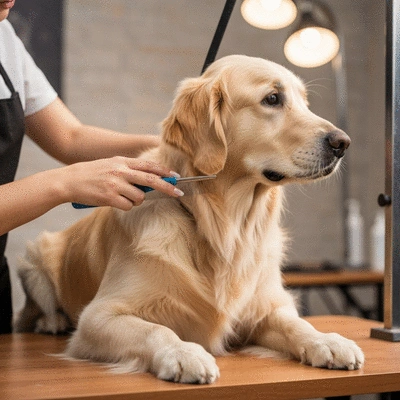
During grooming, dogs can easily become overwhelmed by sensory overload. Sounds, smells, and touch can all contribute to their distress. For instance, when clippers buzz or the water from the bath splashes, it can create an anxiety-inducing environment. Furthermore, the scent of unfamiliar grooming products can enhance their discomfort, leading to a less than pleasant experience. You can find more detail on keeping your dog calm during grooming from VCA Hospitals.
To help your dog feel more at ease, consider creating a soothing atmosphere. Soft music and a quiet environment can make a significant difference in their comfort level. Your calming presence is key to turning grooming from a chaotic experience into a bonding moment!
How Past Experiences Influence Current Behavior
Just like us, dogs carry memories from past experiences that can shape their current behavior. If your dog has had a negative grooming experience, it may take time to rebuild their trust. This history can manifest in various ways, such as attempting to escape or showing signs of stress when they see grooming tools.
- Signs of Anxiety: Look for behaviors like whining, panting, or attempting to hide.
- Response to Tools: If your dog reacts negatively to specific tools, it’s essential to address this by desensitizing them gradually.
By understanding how past grooming experiences affect your dog's current behavior, we can create a more positive grooming journey. It’s all about patience and gentle encouragement!
Identifying Specific Anxiety Triggers During Grooming
Every dog is unique, and recognizing their specific anxiety triggers can significantly improve the grooming process. Start by observing how your dog reacts to different tools and environments:
- Grooming Tools: Some dogs may fear the sound of clippers but feel comfortable with a brush.
- Environmental Factors: Bright lights, tiled floors, or even the presence of other pets can heighten anxiety.
- Handling Techniques: Evaluate how your dog responds to various handling methods—gentle versus firm touches can have different effects.
By identifying these triggers, you can tailor your approach to grooming, ensuring a calmer experience for your dog. Remember, the goal is to create a sense of safety and comfort during each grooming session. The American Veterinary Medical Association provides further resources on grooming your dog, including tips for anxious pets.
Pro Tip
To further reduce your dog's grooming anxiety, consider introducing a "grooming toolkit" filled with their favorite treats and toys. This can help create a positive association with grooming by rewarding them during the process. You can also use the toolkit to familiarize them with grooming tools in a non-threatening way before the actual grooming session.
Frequently Asked Questions About Dog Grooming Anxiety
What are the most common triggers for dog grooming anxiety?
Common triggers include unfamiliar sounds (like clippers or water), sensitive body areas, past negative grooming experiences, and sensory overload from various stimuli such as bright lights or strong smells.
How can I create a calm environment for my dog during grooming?
You can create a calm environment by playing soft music, ensuring a quiet space, using calming scents, and maintaining a patient and empathetic demeanor. Gradually introducing grooming tools and rewarding positive behavior also helps.
What signs indicate my dog is experiencing grooming anxiety?
Signs of grooming anxiety can include whining, panting, trembling, attempting to hide or escape, excessive licking, yawning, lip-licking, or a generally tense body posture.
Is it possible to overcome a dog's fear of grooming tools?
Yes, through gradual desensitization and positive reinforcement, you can help your dog overcome their fear of specific grooming tools. Introduce the tools slowly, pair them with treats and praise, and allow your dog to interact with them at their own pace.
When should I seek professional help for my dog's grooming anxiety?
If your dog's anxiety is severe, persistent, or if you're struggling to make progress on your own, it's advisable to seek help from a professional dog trainer or a veterinary behaviorist. They can provide tailored strategies and support.
Summarizing Key Insights for Managing Dog Grooming Anxiety
Grooming anxiety is a common challenge that many pet parents face. Understanding the main causes of this anxiety, such as sensory overload and negative past experiences, is crucial for creating a calmer grooming experience. By utilizing strategies like gradual desensitization, establishing a consistent routine, and incorporating positive reinforcement, we can significantly reduce our dogs' grooming anxiety. Remember, each dog is unique, so tailoring these approaches to fit your furry friend's needs is essential for success!
Next Steps: Creating a Calm Environment for Grooming
Now that we've explored various strategies, it's time to put them into action! Here are some proactive steps you can take to create a serene grooming environment:
- Set up a dedicated grooming space with soothing music and calming scents.
- Gradually introduce grooming tools while offering treats and praise to build a positive association.
- Consistency is key! Stick to a regular grooming schedule to help your dog anticipate and feel more secure during sessions.
- Monitor your dog's body language and adjust your approach based on their comfort level.
By taking these steps, you're laying the groundwork for a more enjoyable grooming experience for both you and your pup. It's all about making that connection and fostering trust!
Resources for Further Reading and Support
For those looking to dive deeper into the world of grooming anxiety, I've compiled a list of valuable resources that can provide additional insights and support:
- Association of Professional Dog Trainers (APDT) - A great source for training techniques and professional advice.
- American Veterinary Medical Association (AVMA) - Offers guidance on veterinary behavior and health.
- Dogster Magazine - Articles covering various dog care topics including grooming and anxiety.
- Thrive Pet Healthcare - Resources on both physical and emotional pet well-being.
These resources can help you navigate the complexities of grooming anxiety, providing you with more tools and knowledge.
Connecting with Professionals: The Role of Dog Trainers and Veterinary Behaviorists
Sometimes, the best way to tackle grooming anxiety is to seek help from professionals. Engaging with a dog trainer or a veterinary behaviorist can provide you with tailored strategies that address your dog's unique needs. They can help you:
- Understand the specific triggers of your dog's anxiety.
- Develop a personalized grooming plan that incorporates gradual desensitization techniques.
- Provide ongoing support and adjustments as your dog progresses.
Remember, reaching out for professional assistance is a sign of strength, not weakness! At Tail & Tidy Journal, we believe that nurturing a calm grooming experience is a journey worth taking. Together, we can create a positive environment for your furry friend!
Recap of Key Points
Here is a quick recap of the important points discussed in the article:
- Understand common triggers of grooming anxiety, suchs as unfamiliar sounds, sensitive areas, and past traumas.
- Create a calming environment with soothing music and a quiet atmosphere to ease your dog's anxiety.
- Recognize signs of anxiety, including whining, panting, or attempts to hide, and adjust your grooming approach accordingly.
- Gradually introduce grooming tools and establish a consistent grooming routine to help your dog feel more secure.
- Seek professional help from dog trainers or veterinary behaviorists if needed, to develop a personalized grooming plan.