Grooming is more than just a hygienic necessity for dogs; it's an opportunity to build trust and enhance emotional well-being. Understanding grooming psychology can transform this routine into a positive experience, alleviating anxiety and fostering a deeper bond with your furry friend.
What You Will Learn
- Grooming psychology helps create a calm and trusting environment for fearful dogs.
- Recognizing signs of stress in dogs can prevent anxiety escalation during grooming sessions.
- Understanding your dog's unique past and temperament is key to addressing grooming anxiety.
- Implementing patience and consistency during grooming fosters a sense of security for your dog.
- Collaboration with professional groomers can enhance the grooming experience and tailor approaches to your dog's needs.
- Establishing safety protocols ensures a comfortable grooming environment, reducing fear and anxiety.
Addressing Grooming Anxiety in Dogs: A Structured Approach
Understanding Grooming Psychology & Triggers
- ✓Dog's emotional responses to grooming
- ✓Identifying common anxiety triggers
- ✓Establishing a calm, trusting atmosphere
Recognizing Common Stress Indicators
- ⚠Whining or whimpering
- ⚠Excessive panting or drooling
- ⚠Avoidance behaviors (e.g., escaping)
- ⚠Shaking or trembling
Patience & Consistency: Keys to Success
- ▶Short, gradual grooming sessions
- ▶Introduce tools slowly, with positive reinforcement
- ▶Maintain a calm demeanor
- ▶Build trust through routine
Owner-Groomer Collaboration for Outcomes
- ★Discuss dog's fears with groomer
- ★Share successful home techniques
- ★Seek groomer advice for comfort
- ★Schedule pre-grooming meet-and-greets
Implementing Safety Protocols
- ⚡Gentle restraints, never force
- ⚡Quiet, distraction-free area
- ⚡Tools accessible but out of sight
- ⚡Closely monitor body language
Understanding Canine Behavior
- •Observe body language for stress
- •Utilize positive reinforcement
- •Create a secure routine
The Importance of Understanding Grooming Psychology for Fearful Dogs
As a dog owner, you might have noticed that grooming can be a source of stress for your furry friend. Understanding grooming psychology is essential if you want to create a calm, trusting environment during these sessions. It’s not just about the physical act of grooming; it’s about fostering a positive emotional experience for your dog, helping them associate grooming with safety and love. For more in-depth strategies, explore our guide on calming dog grooming anxiety tips.
Grooming anxiety affects many dogs, and identifying the root causes can make a significant difference in their behavior. By understanding what makes our pets anxious, we can take proactive steps to alleviate their fears. It's not just about getting through the grooming process; it's about enhancing their overall well-being!
Defining Grooming Psychology and Its Relevance
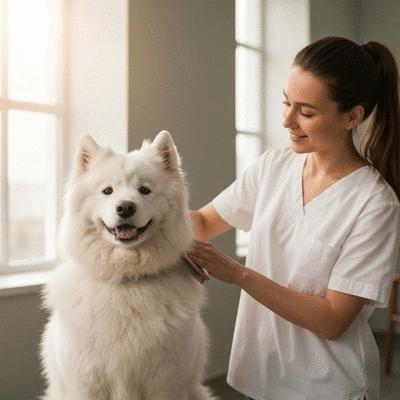
So, what exactly is grooming psychology? At its core, it’s the study of how dogs perceive and react to grooming experiences. Recognizing your dog's emotional state and understanding how they process these interactions can help you tailor your approach. This knowledge allows us to implement gentle techniques that promote a sense of security and comfort.
- Understanding the dog's emotional responses to grooming.
- Identifying common triggers that lead to anxiety.
- Establishing a calm atmosphere that fosters trust.
When we talk about grooming psychology, it's crucial to remember that each dog is unique. Their past experiences, temperament, and even breed can play a significant role in how they respond to grooming. By becoming aware of these factors, we can better support our pets and create a positive routine.
Common Stress Indicators in Anxious Dogs
Recognizing the signs of stress in your dog is vital for addressing grooming anxiety. Dogs often communicate their discomfort through subtle body language and behaviors. Here are some common indicators to keep an eye out for:
- Whining or whimpering during grooming.
- Excessive panting or drooling.
- Avoidance behaviors, such as trying to escape.
- Shaking or trembling, even in a warm environment.
Understanding these signals can help you intervene before anxiety escalates. For example, if your dog starts to whine, it may be time to pause and offer comfort or a treat. Remember, a calm approach can turn a challenging experience into a more enjoyable one for both of you!
Understanding Canine Behavior to Address Grooming Anxiety
To effectively address grooming anxiety, it’s essential to delve into canine behavior. Dogs often respond to grooming with fear due to past experiences, lack of familiarity, or even genetic predisposition. By understanding the “why” behind their reactions, we can implement strategies that promote relaxation.
- Observe your dog’s body language to identify stress levels.
- Utilize positive reinforcement to build trust.
- Create a routine that helps your dog feel secure.
Every grooming session is an opportunity to strengthen the bond between you and your dog. By approaching grooming with empathy and understanding, you can help your pet overcome their fears and enjoy this essential aspect of care. Let’s embrace a gentle grooming journey together, transforming it into an experience filled with love and trust! For more tips on making grooming a positive experience, check out our article on boosting your dog's grooming confidence.
Pro Tip
To further ease your dog's grooming anxiety, consider incorporating calming scents during grooming sessions. Essential oils like lavender or chamomile can create a soothing atmosphere. Just be sure to use pet-safe options and consult with your veterinarian before introducing new scents!
Frequently Asked Questions About Grooming Psychology and Dog Anxiety
Here are some common questions regarding grooming psychology and managing anxiety in dogs:
- What is grooming psychology for dogs?
Grooming psychology is the study of how dogs perceive and react emotionally to grooming experiences. It focuses on understanding their emotional state, identifying triggers for anxiety, and implementing gentle techniques to make grooming a positive and trusting interaction. - How can I tell if my dog is anxious during grooming?
Common stress indicators include whining or whimpering, excessive panting or drooling, avoidance behaviors (like trying to escape), and shaking or trembling. Recognizing these signs early helps prevent anxiety from escalating. - Why is consistency important in grooming anxious dogs?
Consistency helps foster a sense of security and predictability for your dog. Regular, predictable routines and short, positive sessions help them learn that grooming is not something to fear, building trust over time. - How can owners and groomers work together to reduce dog anxiety?
Collaboration is key. Owners should discuss their dog's specific fears and successful home techniques with groomers. Groomers can offer expert advice and suggest strategies like pre-grooming meet-and-greets to build familiarity and comfort. - What safety protocols should be followed for fearful dogs during grooming?
Essential safety measures include using gentle restraints without force, ensuring a quiet and distraction-free environment, keeping tools out of sight until needed, and closely monitoring your dog's body language to respond quickly to signs of stress.
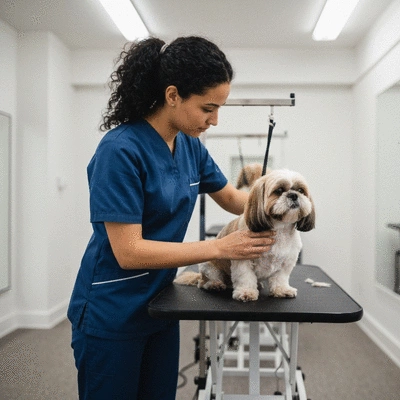
Building a Consistent Approach to Manage Grooming Anxiety
When it comes to managing grooming anxiety in our furry friends, patience and consistency are truly the keys to success. As pet parents, we play a vital role in shaping our dogs' experiences during grooming. Just like humans, dogs thrive in environments where they feel secure and understood. By maintaining a consistent approach, we can help our dogs learn that grooming is not something to fear, but rather a chance to bond and receive care.
Emphasizing consistency means sticking to a routine that your dog can expect. This might include regular grooming sessions, familiarizing them with the tools you’ll use, and ensuring the environment stays calm. Over time, your dog will begin to associate grooming with positive experiences, ultimately reducing their anxiety.
Patience and Consistency: The Keys to Success
With grooming anxious dogs, it’s crucial to remember that progress takes time. Each dog is unique, and some may need more time to adjust than others. Adopting a patient, gentle approach is essential. Here are some strategies to keep in mind:
- Start with short grooming sessions to prevent overwhelming your dog.
- Gradually introduce them to grooming tools—allow sniffing and exploring first.
- Use positive reinforcement to celebrate small victories, like staying calm during brushing.
- Maintain a calm demeanor yourself; dogs are great at picking up on our emotions!
By being consistent and patient, we can help our dogs feel secure in the grooming process. Remember, it’s all about building trust!
Encouraging Owner and Groomer Collaboration for Positive Outcomes
At Tail & Tidy Journal, we believe that collaboration between dog owners and professional groomers is essential for optimal outcomes. Groomers often have a wealth of knowledge about handling fearful dogs, and their expertise can greatly benefit pet owners. Here are some tips for fostering this collaboration:
- Discuss your dog’s specific fears and behaviors with the groomer ahead of time.
- Share any successful techniques you've used at home to help calm your dog.
- Ask the groomer for advice on maintaining your dog's comfort during grooming sessions.
- Consider scheduling a meet-and-greet session prior to the actual grooming.
By working hand-in-hand with groomers, you can develop a tailored approach that addresses your dog’s unique needs. This partnership enhances the grooming experience and promotes a sense of security for your pup.
Implementing Safety Protocols to Support Fearful Dogs
Implementing effective safety protocols is paramount when managing grooming anxiety. A calm environment and careful handling can make a world of difference. Here are some essential safety measures:
- Use gentle restraints if necessary, but never force your dog into a position that increases their anxiety.
- Ensure your grooming area is free of loud noises, sudden movements, or disruptions.
- Keep grooming tools within reach, but out of sight until it’s time to use them.
- Monitor your dog’s body language closely—recognizing signs of stress can help you pivot your approach. For safe and effective techniques, refer to our article on gentle grooming for sensitive dogs.
By focusing on safety and comfort, we can create an environment where our dogs feel secure, making the grooming experience much more pleasant. Remember, each small step is a victory!
Recap of Key Points
Here is a quick recap of the important points discussed in the article:
- Understanding grooming psychology is essential to create a calm environment for fearful dogs.
- Recognizing common stress indicators, such as whining and excessive panting, helps in addressing grooming anxiety.
- Patience and consistency in grooming routines can significantly reduce a dog's anxiety over time.
- Collaboration between dog owners and groomers enhances the grooming experience and addresses specific needs.
- Implementing safety protocols and monitoring body language are crucial for ensuring a comfortable grooming experience.