Can your dog's grooming experience transform from a dreaded chore into a moment of connection? With the right environment and techniques, it absolutely can! Discover how to ease your pet's anxiety and create a serene grooming routine that fosters trust and comfort.
What You Will Learn
- Identifying your dog's anxiety triggers is essential for a calmer grooming session.
- Create a welcoming grooming environment that minimizes distractions and promotes comfort.
- Utilize soothing sounds and scents to create a relaxing atmosphere for your dog.
- Introduce grooming tools gradually to help your dog associate them with positive experiences.
- Implement desensitization techniques for grooming tools to reduce fear and anxiety.
- Pair grooming tasks with treats or toys to create a positive experience for your dog.
Grooming Anxiety Triggers & Desensitization Flow
Understanding and addressing your dog's anxiety during grooming is key to a positive experience. Below we outline common triggers and a systematic approach to desensitization.
Common Anxiety Triggers
- ● Loud Noises (clippers, vacuums)
- ● Unfamiliar Scents (products)
- ● Strange Environments/People
- ● Previous Negative Experiences
- ● Unfamiliar Grooming Tools
Desensitization Process Flow
Introduce Tool (Off): Let dog sniff and explore tools turned off.
Positive Reinforcement: Pair tools with treats/praise.
Gradual Exposure: Short, gentle sessions; slowly increase time.
Atmosphere Setting: Use calming sounds/scents.
Monitor & Adjust: Observe dog's reactions; tailor approach.
Creating a Calm Environment for Anxious Dog Grooming
Grooming can be a nerve-wracking experience for many dogs, especially those with anxiety triggers. At Tail & Tidy Journal, we believe that creating a serene environment is essential for a positive grooming experience. With a few thoughtful adjustments, you can transform this necessary task into a moment of joy and bonding for both you and your furry friend!
It's important to start by identifying what specifically makes your dog anxious. Whether it’s the sound of the clippers, the smell of grooming products, or even the sight of the grooming tools, understanding these triggers is the first step towards a calmer grooming session.
Understanding Your Dog's Anxiety Triggers
Every dog is unique, and so are their anxiety triggers. Some common factors include:
- Loud noises, such as clippers or vacuums
- Unfamiliar scents from grooming products
- Strange environments or unfamiliar people
- Previous negative experiences during grooming. For a deeper understanding of how dogs experience grooming, consider insights from a canine behaviorist's perspective on grooming.
By keeping a close eye on your dog’s reactions, you can better tailor your grooming approach. For example, if your pup is startled by loud sounds, consider introducing quieter tools or using soothing background music to drown out the noise.
Setting the Scene: Ideal Spaces for Grooming
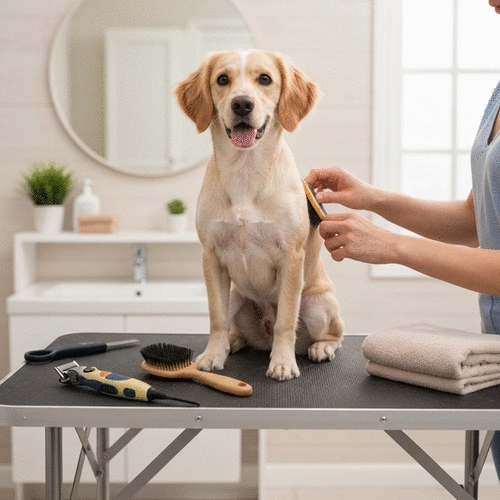
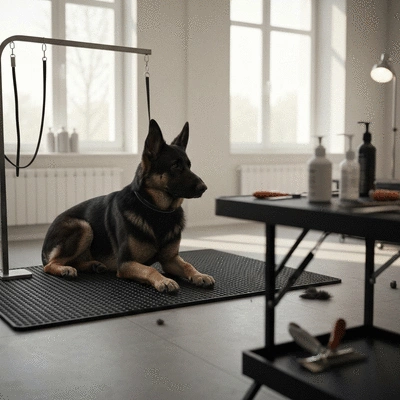
Creating a welcoming grooming space is key! Choose a location that is free from distractions and loud noises. I recommend using a small, non-slip mat in a familiar area where your dog feels safe. This could be in your living room or even outdoors if the weather allows!
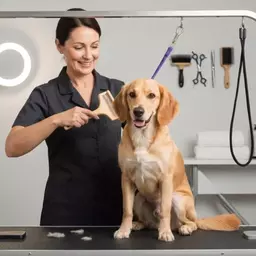
Ensure the space is well-lit and comfortable. Remember, the goal is to foster a calm atmosphere, so avoid using rooms with excess foot traffic that could add stress. You can even use special pet grooming tables that provide stability and security for your furry friend.
Soothing Sounds and Scents for Relaxation
Once you've found the right space, it’s time to set the atmosphere. Using soothing sounds can greatly enhance your dog’s comfort level. Try playing gentle music or nature sounds to help create a relaxing ambiance. Many dogs respond positively to soft melodies!
Additionally, consider using calming scents. Natural essential oils such as lavender can have a soothing effect (just be sure they’re pet-safe). A simple diffuser in the room can help make a calming environment, encouraging your dog to relax during grooming.
Grooming Environment: Tools for a Stress-Free Experience
The right tools can make a world of difference in reducing anxiety. Here are some essential tools that every pet parent should have on hand:
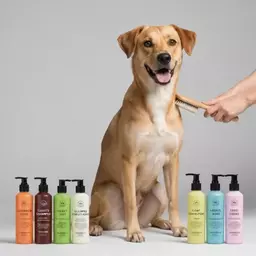
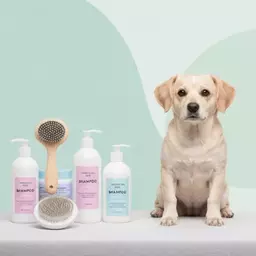
- Gentle brushes that suit your dog’s coat type
- Quiet clippers designed for pets
- Non-slip grooming mats for stability
- Calming sprays or wipes specifically formulated for dogs
Always introduce tools slowly and allow your dog to sniff and investigate them. By letting them explore these items, you help them associate grooming tools with positive experiences, easing their anxiety over time.
Pro Tip
Did you know that incorporating short breaks during grooming sessions can significantly reduce anxiety for your dog? Try setting a timer for a few minutes of grooming followed by a brief play or cuddle session. This not only helps your dog associate grooming with positive experiences but also gives them a moment to decompress, making the entire process smoother and more enjoyable!
Desensitization Techniques for Grooming Tools
When it comes to grooming, desensitization can work wonders for anxious dogs! Gradually introducing your furry friend to grooming tools helps them associate these items with positive experiences rather than fear. By taking your time and being patient, you can transform the grooming process into a calm and enjoyable part of your dog’s routine.
Let’s explore some effective techniques that will ease your pup’s anxiety when it comes to those potentially scary grooming tools. Remember, every dog is different, so feel free to adjust the pace according to your dog's comfort level!
Introducing Brushes and Combs Gradually
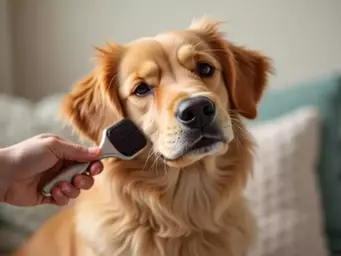
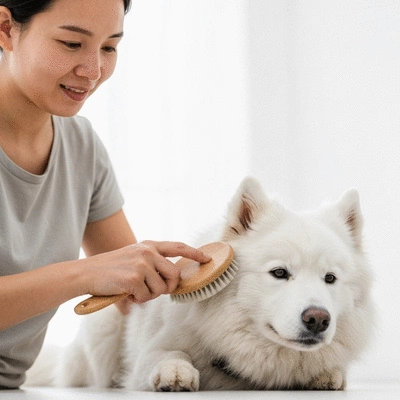
One of the first steps in desensitization is getting your dog used to brushes and combs. Start by letting them sniff and explore the grooming tools while offering positive reinforcement like treats or praise. This initial introduction sets a positive tone!
- Begin with just the brush or comb in the room, allowing your dog to investigate it.
- Once they seem comfortable, gently stroke their fur with the tool for just a few seconds.
- Gradually increase the time as they grow more at ease with the sensation.
By taking this gentle approach, you're helping your dog build trust and familiarity with the brushes and combs, which will make future grooming sessions much smoother! For more detailed insights into understanding canine stress during grooming, refer to this article on canine stress in grooming.
Making Clipping and Trimming a Positive Experience
Clipping nails or trimming fur can be daunting for many dogs. To ensure your pup stays relaxed, pair the experience with something enjoyable. Consider using treats or their favorite toy as a distraction while you work.
- Start by simply holding the clippers near them without using them.
- Next, let them hear the sound of the clippers while you're giving them plenty of praise.
- Once they’re comfortable, clip just one nail or one small section of fur, then reward them!
Making these sessions short and positive will help your dog associate grooming tools with fun rather than fear.
Using Grooming Dryers Without Fear
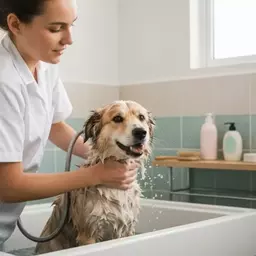
Dryers can be a major source of anxiety for dogs, but with the right approach, you can make them feel safe. Start by introducing the dryer when it's turned off, allowing your dog to investigate it without the noise.
- Once they're comfortable, turn it on for just a few seconds, rewarding them for their calm behavior.
- Slowly increase the time it's on and introduce it closer to their body.
- Consider using a low-noise dryer designed specifically for pets to reduce anxiety.
Remember, the goal is to make the grooming process feel like a spa day instead of a scary ordeal!
Gradual Exposure to Dog Grooming Tools
Just like with any new experience, gradual exposure is key. Start exposing your dog to a variety of grooming tools over time, focusing on one tool at a time. This slow introduction helps prevent overwhelming your pup.
- Choose a single tool each session to focus on.
- Take your time to progress through the tools, observing your dog's reactions.
- Incorporate fun activities, like playtime or cuddle sessions, after each successful exposure.
With patience and persistence, you’ll create a stress-free grooming experience tailored to your dog's needs!
Recap of Key Points
Here is a quick recap of the important points discussed in the article:
- Identify your dog's anxiety triggers such as loud noises, unfamiliar scents, or past negative experiences.
- Create a calm grooming environment by choosing a quiet space with familiar scents and minimal distractions.
- Use soothing sounds and scents, such as gentle music or pet-safe essential oils, to enhance relaxation.
- Select the right grooming tools, ensuring they are quiet and comfortable for your dog.
- Implement desensitization techniques by gradually introducing grooming tools and rewarding positive behavior.
- Pair grooming sessions with enjoyable activities, like treats or playtime, to create positive associations.
Frequently Asked Questions
- What are common anxiety triggers for dogs during grooming?
- Common triggers include loud noises (clippers, vacuums), unfamiliar scents from products, strange environments or people, and previous negative grooming experiences. Understanding these individual triggers is crucial for a calmer session.
- How can I create a calming grooming environment for my dog?
- Choose a quiet, familiar space free from distractions. Use a non-slip mat and ensure the area is well-lit and comfortable. Incorporating soothing sounds like gentle music and pet-safe calming scents (e.g., lavender via a diffuser) can also help.
- What is desensitization, and how does it apply to grooming tools?
- Desensitization is the process of gradually introducing your dog to grooming tools to help them associate these items with positive experiences rather than fear. This involves starting with off tools, using positive reinforcement, and slowly increasing exposure time.
- How do I introduce brushes and combs to an anxious dog?
- Start by letting your dog sniff and explore the tools, offering treats and praise. Gently stroke their fur for short periods, gradually increasing the duration as they become more comfortable. This builds trust and familiarity.
- How can I make clipping nails or trimming fur a positive experience?
- Pair the experience with something enjoyable like treats or a favorite toy. Begin by simply holding the clippers nearby, then let them hear the sound. Clip one nail or a small section of fur, then immediately reward them. Keep sessions short and positive.
- Are there specific tools recommended for anxious dogs?
- Yes, gentle brushes suitable for their coat type, quiet clippers designed for pets, non-slip grooming mats, and calming sprays or wipes formulated for dogs can significantly help reduce anxiety. Look for tools that minimize noise and discomfort.
- Why is gradual exposure important when introducing new grooming tools?
- Gradual exposure prevents overwhelming your dog. By focusing on one tool at a time and slowly increasing their exposure, you allow your dog to adjust and build positive associations without becoming fearful or stressed. Consistency and patience are key.
- Can I use essential oils to calm my dog during grooming?
- Yes, natural essential oils like lavender can have a soothing effect, but it's crucial to ensure they are pet-safe and used in a diffuser rather than applied directly. Always consult with your vet before using essential oils around pets to ensure safety.