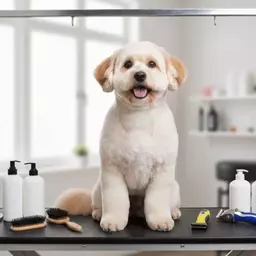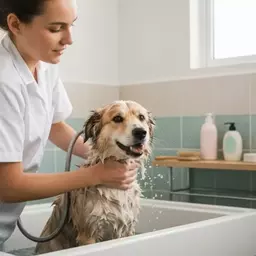
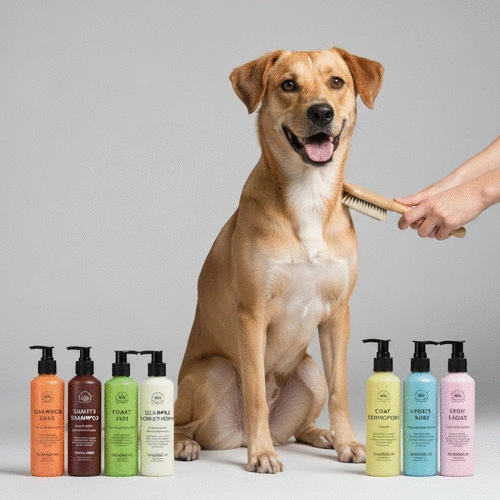
Did you know that the right grooming products can transform your dog's coat from lackluster to lustrous? Let's delve into the essential insights that can elevate your pet grooming routine and ensure your furry friend stays healthy and happy!
What You Will Learn
- Understanding your dog's coat type is crucial for choosing the right shampoo and conditioner.
- Different coat types require varying grooming frequencies and product applications to maintain health.
- Identifying and addressing common skin issues like itchiness and dryness can significantly improve your dog's comfort.
- Regular vet consultations can help in detecting skin problems early and provide tailored product recommendations.
- Incorporating effective brushing techniques not only promotes coat health but strengthens your bond with your dog.
Dog Coat Type Grooming Needs
Each dog's coat type dictates specific grooming requirements for optimal health and appearance. Understanding these differences is key to a happy, healthy pup. For more detailed tips on maintaining a healthy coat, check out our guide on healthy dog coat care tips.
Understanding the Importance of Choosing the Right Shampoo and Conditioner
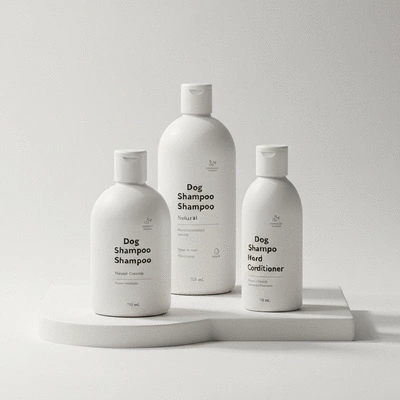
When it comes to grooming our beloved dogs, selecting the right shampoo and conditioner is crucial for their overall health. Just as we pay attention to our skin and hair products, our furry friends deserve the same level of care. Choosing suitable grooming products not only enhances their coat's appearance but also supports their skin health and prevents various issues.
At Tail & Tidy Journal, I’ve seen firsthand how the right products can transform a grooming experience from a struggle to a joy! Let’s dive into why coat type matters and how we can best care for our dogs’ unique needs.
Why Coat Type Matters for Your Dog's Health
Your dog's coat type is integral to their skin health. Different breeds require different care based on their coat texture, length, and thickness. For instance, short-haired breeds may not need as much conditioning as long-haired breeds, which can get tangled and require additional moisture. Understanding these needs can also help in managing shedding effectively, as discussed in our article on dog shedding causes and solutions.
- Short Coats: These require less frequent shampooing and a lighter conditioner.
- Long Coats: They benefit from rich conditioners to prevent tangling and matting.
- Curly Coats: These often need specialized products to maintain moisture and definition.
- Wiry Coats: A different approach with less conditioning, focusing on texture and health.
Understanding your pup’s coat type will help you make informed choices, ensuring they remain comfortable and happy during grooming sessions.
Common Skin Issues in Dogs and Their Solutions
Unfortunately, many dogs suffer from skin issues like itchiness, dryness, or even allergies. These problems can stem from various factors, including environmental influences and the products we use. Knowing how to address these issues can greatly improve your dog's well-being.
- Itchy Skin: Look for shampoos with oatmeal or aloe vera, known for their soothing properties.
- Dry Skin: Coconut oil-infused products can provide much-needed moisture.
- Allergies: Consider hypoallergenic shampoos to minimize reactions.
By selecting the right products, we can help alleviate these common skin concerns and provide our dogs with comfort and relief.
Dog Coat Types: A Guide to Your Pet’s Needs
Every dog is unique, and their coat type plays a vital role in determining their grooming needs. Familiarizing yourself with the common coat types can help you tailor your approach effectively. Here’s a brief overview!
- Short Hair: Easy to manage, usually requires less maintenance.
- Long Hair: Needs regular grooming to avoid tangles and mats.
- Curly Hair: Requires specific products to maintain moisture and prevent frizz.
- Wiry Hair: Often needs less conditioning; focus on texture maintenance.
Choosing the appropriate shampoo and conditioner based on your dog’s coat will not only improve their appearance but also contribute to a happier grooming experience!
Pro Tip
To enhance your dog's grooming experience, consider pairing bath time with a relaxing massage. This not only helps your pup feel more comfortable but also promotes better skin health. Use gentle, circular motions while applying the shampoo, allowing the scent to soothe both you and your furry friend. A calm atmosphere can transform grooming from a chore into a cherished bonding moment!
Final Tips for Maintaining Your Dog’s Coat Health
Maintaining your dog’s coat health is a long-term commitment, but the rewards are immeasurable! A shiny, healthy coat not only looks great but also reflects your pup's overall well-being. Taking into account the type of coat your dog has is crucial for effective maintenance. Here are some tips to keep in mind:
- Grooming Frequency: Different coat types require varying levels of grooming. For example, long-haired breeds may need daily brushing, while short-haired dogs can manage with weekly sessions.
- Use of Quality Products: Invest in shampoos and conditioners that are specifically formulated for your dog’s coat type. This ensures their skin and coat receive the appropriate nutrients.
- Hydration: Regularly check your dog’s drinking habits. Proper hydration is essential for skin health and coat shine!
And remember, grooming isn’t just about looks! It’s a wonderful opportunity to bond with your furry friend. Consistent grooming can also help catch potential skin issues early, which is a key aspect of their long-term care.
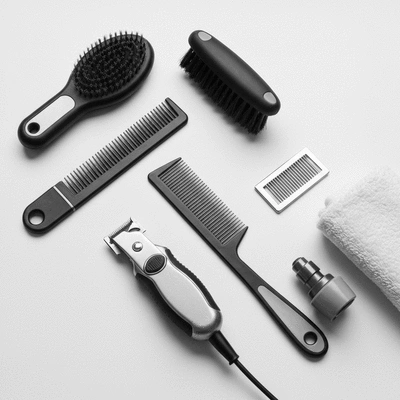
Long-term Maintenance and Care for Different Coat Types
Each dog coat type comes with its unique care needs. For instance, if you have a pup with a curly coat, regular trimming and special moisturizing products may be necessary to prevent matting. On the other hand, short-haired breeds might benefit from a simple weekly brush and a touch of dog-safe oil for added shine. Here’s a quick reference:
- Short Coats: Weekly brushing and occasional baths with gentle shampoo.
- Long Coats: Daily brushing, detangling sprays, and moisturizing conditioners.
- Curly Coats: Regular grooming, specialized curly dog shampoos, and conditioners to maintain softness.
- Wiry Coats: Regular hand-stripping and specialized shampoos to enhance texture.
By tailoring your grooming routine to your dog’s specific coat type, you can promote a healthy, resilient coat that your pup will proudly flaunt!
The Importance of Regular Vet Consultations for Skin Issues
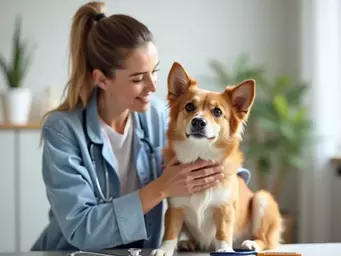
Just like us, dogs can face a variety of skin problems! It’s essential to schedule regular vet check-ups to monitor your dog’s skin health. Common conditions like allergies, infections, and parasites can impact their coat condition and overall well-being. Regular vet consultations ensure:
- Early detection of skin issues
- Personalized advice on grooming products
- Access to treatment options for any underlying conditions
As a pet care expert, I often recommend that pet parents keep a close eye on any changes in their dog’s skin or coat. If you notice excessive scratching, redness, or hair loss, don’t hesitate to consult your vet!
Brushing Techniques for Dogs: Keeping Coats Healthy
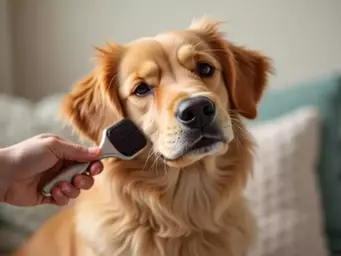
Brushing your dog’s coat isn’t just about removing loose hair; it’s an opportunity to promote skin health and strengthen your bond. Here are some effective brushing techniques you can incorporate:
- Choose the Right Brush: Select a brush that suits your dog’s coat type. Slicker brushes work well for long-haired dogs, while rubber brushes can be great for short coats.
- Brush in Sections: Divide your dog’s coat into manageable sections and brush gently from root to tip.
- Stay Calm and Positive: Use a soothing voice and offer treats to create a positive grooming experience. Your dog will associate brushing with love and care!
By mastering these brushing techniques, you’ll help maintain your dog's coat health while making grooming a fun experience for both of you!
FAQs About Dog Coat Health and Grooming
Here are some frequently asked questions to further clarify key aspects of dog coat health and grooming:
- Q: How often should I bathe my dog?
- A: The frequency depends on your dog's coat type, activity level, and skin condition. Generally, short-haired dogs might need a bath every few months, while long or curly-haired dogs might need more frequent baths, perhaps monthly or bi-weekly. Always use a dog-specific shampoo.
- Q: What are the signs of a healthy dog coat?
- A: A healthy coat is shiny, soft, and free from excessive shedding, dandruff, or dry patches. The skin underneath should be clean, clear, and not red or inflamed.
- Q: Can human shampoo be used on dogs?
- A: No, human shampoos are generally not suitable for dogs. Human skin and dog skin have different pH levels, and human shampoos can dry out a dog's skin, leading to irritation and other issues. Always use shampoos specifically formulated for dogs.
- Q: How can I prevent matting in long-haired dogs?
- A: Regular and thorough brushing (daily for some breeds) is key to preventing mats. Using a detangling spray and a high-quality conditioner during baths also helps. If mats occur, try to gently work them out with your fingers or a matting comb before bathing.
- Q: What should I do if my dog has persistent skin issues?
- A: If your dog has persistent itching, dryness, redness, or hair loss, it’s crucial to consult your veterinarian. They can diagnose the underlying cause, which could be allergies, parasites, or infections, and recommend appropriate treatment and specialized grooming products.
Take Action: Choosing the Best Products for Your Dog
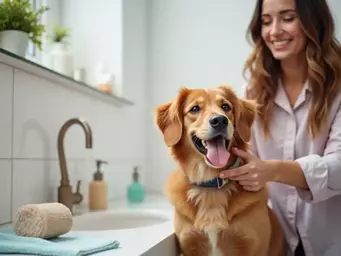
Now that we’ve covered the essentials of coat health, it's time to take action! Selecting the right products can make a world of difference for your dog's grooming routine. To make bath time a positive experience, consider exploring our tips on how to bathe your dog at home.
Consult Your Vet for Personalized Recommendations
Your veterinarian is a valuable resource when it comes to choosing the best products for your dog’s specific needs. Don’t hesitate to ask for recommendations based on your dog's coat type and any skin issues they may have. This personalized approach can lead to a healthier, happier pup!
Share Your Experience: Join the Community of Pet Owners
One of the best ways to learn is through shared experiences! I encourage you to connect with other pet owners through forums or social media groups. Sharing insights, product recommendations, and tips can enhance your understanding and boost your confidence in caring for your furry friend’s coat.
DIY Dog Shampoo: Simple Recipes for Home Care
If you’re feeling adventurous, why not try making your own dog shampoo? Here’s a simple recipe to get you started:
- Ingredients: 1 cup of mild liquid soap (like Castile soap), 1 cup of water, and 1 tablespoon of olive oil.
- Instructions: Mix all ingredients in a bottle. Shake well before each use. Apply to wet fur, lather, and rinse thoroughly!
This DIY shampoo is gentle, inexpensive, and a great way to bond with your dog during bath time!
Recap of Key Points
Here is a quick recap of the important points discussed in the article:
- Coat Type Matters: Different coat types require tailored grooming approaches, from short to long, curly to wiry.
- Address Skin Issues: Choose products with soothing ingredients for common skin problems like itchiness and dryness.
- Regular Grooming: Consistent grooming frequency is crucial, varying by coat type to maintain coat health and prevent tangles.
- Quality Products: Invest in shampoos and conditioners specifically formulated for your dog’s coat type for optimal care.
- Vet Consultations: Schedule regular check-ups to catch skin issues early and get personalized product recommendations.
- Brushing Techniques: Use the right brush for your dog's coat and create a positive grooming experience to strengthen your bond.