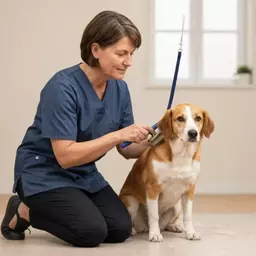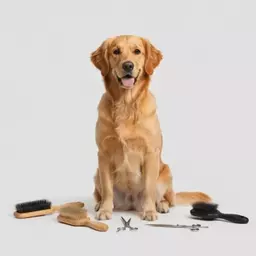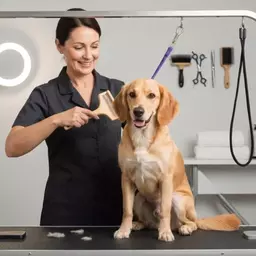
Cold air isn't the only thing that can dry out your dog's skin—seasonal changes can significantly affect their coat health! Understanding how to adapt your grooming routine can make all the difference in your furry friend's comfort and well-being.
What You Will Learn
- Cold weather can cause dry skin and increased shedding in dogs; moisturizing techniques are essential.
- Summer heat and humidity can lead to matting and discomfort; regular grooming helps maintain coat health.
- Understanding your dog's coat growth cycles (anagen and telogen phases) can inform your grooming schedule.
- Double-coated breeds require special attention during shedding seasons; using the right grooming tools is crucial.
- Allergens and pollution can negatively impact your dog's coat; maintaining a clean environment helps mitigate these effects.
- Recognizing signs of skin irritations and knowing when to consult a vet is vital for your dog's health.
- Implementing daily grooming routines can significantly enhance your dog's coat health and strengthen your bond.
Seasonal Impact on Dog Coat Health & Care
Understanding how environmental factors and growth cycles affect your dog's coat is crucial for year-round optimal health. For more insights on maintaining a healthy coat, check out our Healthy Dog Coat Care Tips.
Seasonal Challenges & Solutions
Winter's Dryness
Dry air leads to dry skin & increased shedding. Use humidifiers, moisturizing shampoos, and skin conditioners.
Summer's Humidity
Heat causes matting, discomfort, & irritations. Frequent brushing, proper grooming prevent overheating.
Coat Growth Cycle
Active growth, strong & healthy hair. Less frequent brushing.
Resting phase, hair sheds more. More attention to prevent excess shedding.
External Factors & Protection
Pollen, dust mites, mold cause skin issues. Keep areas clean, use hypoallergenic products.
Contaminants cause irritation & dull fur. Limit outdoor time, wash regularly, use protective sprays.
Year-Round Protection Routines
- 1 Regular Grooming: Brush seasonally.
- 2 Hydration: Constant fresh water access.
- 3 Proper Nutrition: Omega fatty acids.
- 4 Seasonal Adjustments: Adapt techniques.
Understanding How Environmental Factors Impact Your Dog’s Coat Health
As a pet parent, you might notice changes in your dog’s coat as the seasons shift. Understanding how environmental factors play a role in your dog’s coat health can empower you to provide the best care possible. From cold winters to humid summers, each season brings unique challenges that affect your furry friend’s skin and coat.
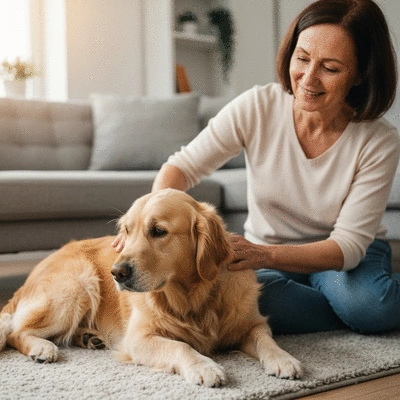
At Tail & Tidy Journal, we believe promoting healthy grooming habits begins with recognizing these environmental influences. Let’s dive into how seasonal changes impact your dog’s coat and what you can do to help.
The Role of Seasonal Changes on Dog’s Coat
Seasonal changes have a significant effect on your dog’s coat health. As temperatures fluctuate, your pup’s coat must adapt to protect them from the elements. Here are a few key points to consider:
- Winter: Cold weather can lead to dry skin and increased shedding.
- Summer: Heat and humidity can cause coat matting and discomfort.
- Spring and Fall: Seasonal allergies often spike during these times, affecting your dog’s skin.
Recognizing these seasonal impacts can help you prepare your grooming routine. For instance, in winter, you might need to adjust your moisturizing techniques to combat dry air. And in the summer, ensuring frequent brushing can prevent matting from the heat and humidity. These adjustments are also vital for Grooming Tips for Healthy Dog Coats.
Why Cold Weather Can Lead to Dry Skin and Shedding
Cold weather can lead to dry skin in dogs, just as it does for us. The dry air can strip moisture from their skin, which can make your pup uncomfortable and lead to increased shedding. To combat this, consider:
- Using a humidifier in your home to add moisture to the air.
- Incorporating moisturizing shampoos during grooming sessions.
- Regularly checking and conditioning your dog’s skin with appropriate products.
These steps can significantly improve your dog's comfort and coat health during the chilly months. Remember, a happy dog equals a happy owner!
Effects of Heat and Humidity on Dog Coats
On the flip side, the summer heat and humidity can lead to a different set of challenges. As temperatures rise, your dog’s coat can become a breeding ground for matting and discomfort. Here’s how heat impacts their coat:
- Increased shedding due to heat stress.
- Higher likelihood of skin irritations from sweat and moisture.
- Potential for overheating if coats are not properly groomed.
It’s crucial to maintain a consistent grooming routine during the warmer months. A well-groomed coat allows air to circulate and keeps your dog cool and comfortable. Plus, regular brushing helps you spot any potential skin issues before they escalate!
Coat Growth Cycles: What You Need to Know
Understanding your dog’s coat growth cycles is essential for effective grooming. Every dog goes through different phases of hair growth, which can impact how you care for their coat.
- Anagen phase: The active growth phase where hair is strong and healthy.
- Telogen phase: The resting phase when hair is more prone to shedding.
By recognizing these phases, you can tailor your grooming techniques to suit your dog’s needs better. For example, during the anagen phase, your dog might require less frequent brushing, while the telogen phase could mean more attention to prevent excessive shedding.
Understanding Anagen and Telogen Phases
Dogs, like humans, experience different hair growth cycles. The anagen phase is when the hair actively grows, resulting in a full, healthy coat. In contrast, during the telogen phase, the hair rests and eventually sheds. Here are steps to support these cycles:
- Monitor your dog’s coat regularly to recognize when shedding occurs.
- Adjust grooming frequency based on the growth phase.
- Provide a balanced diet to support hair health throughout these phases.
By understanding these cycles, you can ensure your dog remains comfortable and their coat stays in optimal condition.
Special Considerations for Double-Coated Breeds
If your dog is a double-coated breed, special care is essential! Double-coated dogs have an undercoat that provides insulation, which can trap dirt and moisture. Therefore, regular grooming is necessary to keep their coat healthy. Consider these tips:
- Brush thoroughly at least once a week to remove loose fur.
- Pay special attention to the undercoat during spring and fall when shedding is more pronounced.
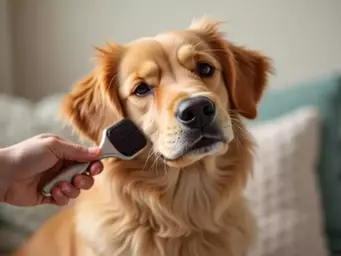
- Use tools specifically designed for double coats, such as undercoat rakes.
Taking the time to care for your double-coated dog ensures they stay comfortable and healthy throughout the year!
How Allergens and Pollution Affect Canine Coat Health
Allergens and pollution can also impact your dog’s coat health significantly. As urban environments become more polluted, our furry companions can experience skin irritations that affect their coat. Here’s how to identify and manage these factors:
- Recognize common allergens such as pollen, dust mites, and mold.
- Keep your dog's living spaces clean and free from allergens.
- Consider hypoallergenic grooming products.
Being proactive in managing allergens and pollution can lead to healthier skin and a shinier coat for your pooch.
Identifying Common Allergens Impacting Your Dog’s Skin
Many dogs suffer from allergies that can manifest through skin issues, leading to scratching, irritations, and ultimately affecting their coat. Some common allergens include:
- Pollen from trees, grasses, and flowers.
- Dust mites that can be found in household items.
- Food allergies that may require dietary changes.
Keeping a close eye on your dog’s reactions to these allergens will help you maintain their coat’s health and boost their overall well-being. For more information on managing shedding, see our article on Dog Shedding: Causes and Solutions.
Protecting Your Dog from Urban Pollution and Its Effects
Urban pollution can be particularly harsh on your dog’s coat. The contaminants in the air can cause skin irritations and dullness in their fur. To protect your furry friend:
- Limit outdoor time during high pollution days.
- Wash your dog’s coat regularly to remove pollutants.
- Consider using protective sprays designed for dogs.
With these strategies, you can help safeguard your dog's coat from the effects of urban living, ensuring they remain happy and healthy.
Pro Tip
To keep your dog's coat healthy year-round, consider introducing a regular grooming schedule that aligns with the seasonal changes. For example, utilize a moisturizing conditioner during the dry winter months and a detangling spray during the humid summer to combat matting. A little proactive care can make a huge difference in your dog's coat health!
Frequently Asked Questions (FAQs)
Q1: How do seasonal changes affect my dog's coat health?
Seasonal changes significantly impact your dog's coat. Cold weather can lead to dry skin and increased shedding, while summer heat and humidity can cause matting and discomfort. Spring and fall often see a rise in seasonal allergies, affecting skin health.
Q2: What are the best ways to combat dry skin in dogs during winter?
To combat dry skin in winter, consider using a humidifier in your home, incorporating moisturizing shampoos during baths, and regularly applying skin conditioners designed for dogs. These measures help retain moisture in their skin and coat.
Q3: How can I prevent matting in my dog's coat during hot and humid weather?
During hot and humid weather, frequent brushing is crucial to prevent matting. A well-groomed coat allows for better air circulation, keeping your dog cooler and more comfortable. Regular brushing also helps in early detection of skin issues.
Q4: What are the Anagen and Telogen phases of dog coat growth?
The Anagen phase is the active growth phase where hair is strong and healthy. The Telogen phase is the resting phase, during which hair is more prone to shedding. Understanding these cycles helps tailor your grooming frequency and techniques.
Q5: When should I consult a vet for my dog's coat or skin issues?
You should consult a vet if you notice excessive shedding, skin irritation (redness, rashes, lesions), persistent itching or biting, or significant changes in coat texture (dullness, brittleness). Early intervention can prevent minor issues from becoming major problems.
Summarizing Key Takeaways on Dog Coat Care
At Tail & Tidy Journal, we believe that understanding your dog's coat is key to keeping it healthy and vibrant! Regular grooming and care routines can make a significant difference in your dog's coat and overall well-being. Let’s recap some essential points to keep in mind as you embark on this grooming journey.
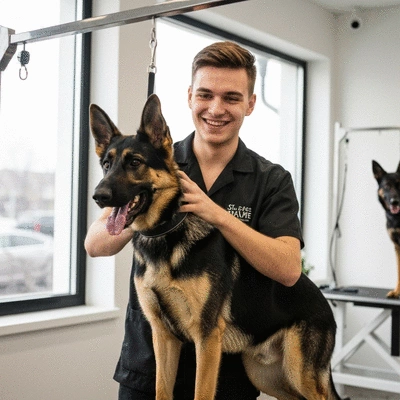
It's crucial to establish year-round protection routines that cater to your dog’s specific needs. Whether it’s battling seasonal changes or ensuring proper nutrition, these strategies will keep your furry friend looking and feeling their best!
Year-Round Protection Routines for Optimal Coat Health
To maintain your dog's coat health throughout the year, consider these effective strategies:
- Regular Grooming: Brush your dog’s coat according to the season—more frequently in warmer months to prevent matting.
- Hydration: Ensure your dog has access to fresh water at all times, especially during hot weather.
- Proper Nutrition: Incorporate foods rich in omega fatty acids to promote a shiny and healthy coat.
- Seasonal Adjustments: Modify grooming techniques with the changing weather to accommodate dry air in winter and humidity in summer.
Using these tips as a guide, you can create a comprehensive coat care routine that adapts to your dog's needs. Remember, a little consistency goes a long way!
When to Consult a Vet for Coat and Skin Issues
Sometimes, despite our best efforts, coat and skin issues can arise. It's important to know when it's time to seek professional help. Watch for signs like:
- Excessive Shedding: If your dog is shedding more than usual, it could signal an underlying problem.
- Skin Irritation: Redness, rashes, or lesions should prompt a visit to the vet.
- Persistent Itching: If your dog is scratching or biting excessively, it might indicate allergies or parasites.
- Changes in Coat Texture: A dull or brittle coat could be a sign of nutritional deficiencies.
Don't hesitate to reach out to your vet if you notice these symptoms. Early intervention can lead to better outcomes!
Understanding the Role of Veterinary Dermatologists in Canine Coat Care
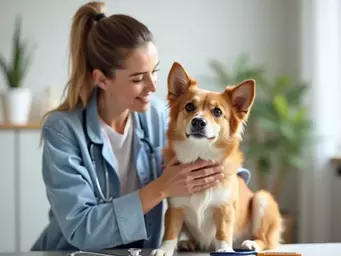
Veterinary dermatologists play a crucial role in maintaining your dog's coat health. They specialize in diagnosing and treating skin conditions affecting dogs. Here’s how they can help:
- Diagnosis: They can identify specific skin disorders and recommend appropriate treatments.
- Allergy Testing: Dermatologists can conduct tests to determine if your dog has allergies to certain ingredients or environmental factors.
- Customized Care Plans: They create tailored grooming and care plans that cater to your dog’s unique needs.
- Education: They provide valuable insights on maintaining a healthy coat through diet and grooming practices.
Partnering with a veterinary dermatologist can enhance your efforts in achieving optimal coat health for your furry companion!
Call to Action: Steps to Enhance Your Dog’s Coat Protection
Now that we've covered the essentials, let's roll up our sleeves and put these strategies into action! It’s time to enhance your dog’s coat protection with practical steps.
Implementing Daily Care Routines
Incorporating daily care routines can be transformative for your dog’s coat health. Here’s what you can do:
- Daily Brushing: Make it a habit to brush your dog’s coat daily to remove loose hair and dirt.
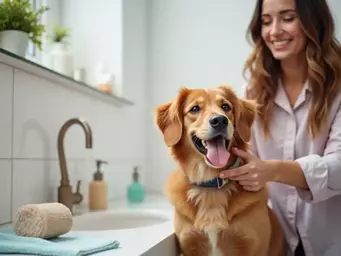
- Routine Baths: Schedule baths based on your dog’s activity level and coat type, using gentle, natural shampoos. For tips on bathing, read about how to Bathe Your Dog at Home.
- Monitor Diet: Keep an eye on your dog’s nutrition to ensure they receive all necessary nutrients for a healthy coat.
- Hydration Checks: Always check that your dog has access to fresh water throughout the day.
These simple actions can significantly improve your dog’s coat health over time!
Sharing Your Dog’s Coat Health Journey with Others
Last but not least, don’t forget to share your dog’s coat health journey with fellow pet parents! Whether through social media or community groups, connecting with others can provide valuable support and insights. Sharing tips, experiences, and progress not only fosters a sense of community but can also inspire others to prioritize their dog's grooming needs.
Remember, at Tail & Tidy Journal, we’re here for you on this journey! Let's promote healthier grooming habits and create a more compassionate grooming experience together.
Recap of Key Points
Here is a quick recap of the important points discussed in the article:
- Seasonal changes impact your dog's coat health, requiring adjustments in grooming routines.
- Cold weather can lead to dry skin and increased shedding; consider using humidifiers and moisturizing products.
- Heat and humidity can cause matting and discomfort; maintain a consistent grooming routine in summer.
- Understanding coat growth cycles (anagen and telogen phases) helps tailor grooming techniques effectively.
- Double-coated breeds need regular grooming to manage shedding, especially in spring and fall.
- Allergens and urban pollution can affect coat health; keep living spaces clean and consider hypoallergenic products.
- Consult a vet if you notice excessive shedding, skin irritation, persistent itching, or changes in coat texture.