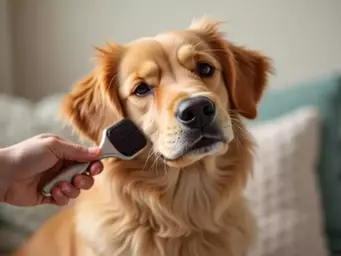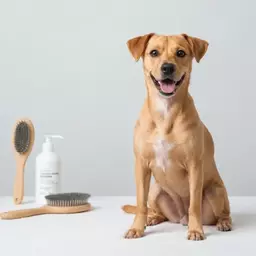
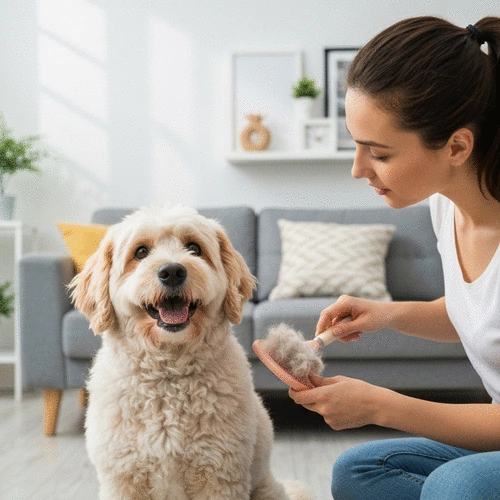
As we navigate the world of canine companionship, one challenge that often perplexes dog owners is shedding. Did you know that understanding the reasons behind your dog's shedding can lead to effective management strategies? By grasping the science and patterns involved, you can create a more harmonious environment for both you and your furry friend.
What You Will Learn
- Shedding is a natural part of a dog's growth cycle influenced by factors like genetics, health, and season.
- Different breeds shed at varying rates; understanding your dog's breed can help tailor your grooming strategies.
- DIY grooming methods can save costs, but professional groomers offer expertise and specialized products for effective shedding management.
- Creating a personalized shedding management schedule based on your dog's coat type and shedding patterns can enhance grooming efficiency.
Dog Shedding: DIY vs. Professional Grooming Overview
This visual compares the key aspects of DIY dog shedding solutions against professional grooming services, highlighting their cost-effectiveness and when each approach is most suitable. For more insights on maintaining a healthy coat, explore our healthy dog coat care tips.
DIY Grooming Solutions
- ✓
Cost-Effectiveness: Generally more affordable over time with initial tool investment.
- ✓
Convenience: Flexible scheduling, groom at your own pace.
- ✓
Tools: Slicker brushes, deshedding tools, quality shampoos.
*Requires consistency and patience for results (4-6 weeks).
Professional Grooming Services
- ★
Expertise: Experienced groomers with tailored techniques.
- ★
Specialized Products: Access to high-quality, professional-grade tools and products.
- ★
When to Consider: Persistent shedding, skin irritation, breed-specific needs.
*Ideal for unmanageable issues or complex breed requirements.
Understanding Dog Shedding: What It Means for Your Home
Dog shedding is a natural part of canine life, but it can certainly leave us feeling a bit overwhelmed, especially when fur seems to be everywhere! Understanding why our furry friends shed is the first step in tackling this common challenge. Shedding is not just a nuisance; it’s actually a sign of your dog’s health and well-being. Let’s dive into the science behind this phenomenon and learn how to manage it effectively!
The Science Behind Shedding: Why Dogs Lose Hair
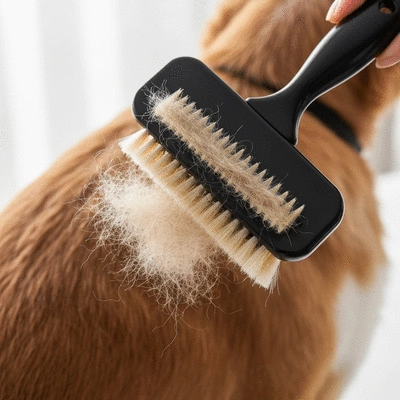
Shedding can be influenced by a variety of factors including genetics, health, and environmental elements. Dogs lose hair as a part of their natural growth cycle; old hair falls out to make way for new growth. This cycle can be heightened by changes in season, stress, or even diet!
- The natural growth cycle of a dog's coat includes shedding.
- Seasonal changes can trigger increased shedding.
- Stress and health issues may contribute to abnormal shedding.
Being aware of these factors can help us understand our dogs better and provide the right care. At Tail & Tidy Journal, we believe that awareness is key to reducing shedding-related stress both for you and your pup! For dogs prone to anxiety during grooming, consider exploring calming dog grooming anxiety tips.
Recognizing Shedding Patterns: Seasonal and Breed Variations
Shedding doesn’t follow a one-size-fits-all approach; it varies widely depending on the breed and even the individual dog. For instance, double-coated breeds like Siberian Huskies will typically shed heavily during seasonal changes. Conversely, breeds with single coats may have lighter shedding year-round.
- Seasonal Shedding: Many dogs experience a heavy shed in spring and fall as they adapt to temperature changes.
- Breed-Specific Patterns: Breeds such as Golden Retrievers and Labradors often shed more than others.
- Individual Factors: Age, health, and even stress levels can influence shedding patterns.
By recognizing these patterns, you can better prepare for shedding seasons and implement effective grooming strategies. It’s all about being proactive rather than reactive!
Common Dog Breeds with Shedding Issues and Their Unique Needs
Some breeds are notorious for shedding, and understanding their specific needs can help you manage the process more effectively. For example, breeds like German Shepherds, Poodles, and Beagles each have distinct shedding behaviors that require tailored care.
- German Shepherds: Heavy seasonal shedders; they benefit from regular brushing.
- Poodles: Low-shedding but require grooming to prevent matting.
- Beagles: Moderate shedders; consistent brushing helps control hair.
At Tail & Tidy Journal, we emphasize the importance of knowing your dog's breed-specific grooming needs. This knowledge not only helps keep your home cleaner but also enhances your dog's comfort and happiness.
We Want to Hear From You!
What has been your biggest challenge with managing your dog's shedding? Share your thoughts below:
Frequently Asked Questions About Dog Shedding
Evaluating the Effectiveness of DIY Dog Shedding Solutions
As a dog owner, I understand how challenging it can be to manage shedding. With so many products and methods out there, it’s essential to evaluate the effectiveness of DIY dog shedding solutions compared to professional grooming services. In this section, we'll dive into practical insights that can help you determine the best approach for your furry friend!
Comparing DIY Methods vs. Professional Grooming Services
When it comes to tackling shedding, many pet parents wonder whether they should go the DIY route or seek out professional help. Each option has its pros and cons! Here’s a quick comparison:
- Cost: DIY methods are generally more affordable, allowing you to save over time.
- Convenience: With DIY grooming, you can tackle shedding at your own pace, fitting it into your schedule.
- Expert Techniques: Professional groomers have the experience and tools to manage shedding effectively, tailored to your dog's needs.
- Access to Specialized Products: Groomers often use high-quality products that might not be available for home use.
Ultimately, the choice between DIY and professional grooming depends on your dog’s specific shedding issues and your comfort level with grooming techniques.
Cost-Effectiveness of DIY Solutions Over Time
One of the significant advantages of DIY grooming is cost savings. Investing in grooming tools and learning proper techniques can reduce the need for frequent professional visits. However, remember that initial investments for quality tools may seem high, but they pay off in the long run!
- Slicker brushes and deshedding tools
- High-quality grooming shampoos
- Supplements for coat health
By regularly incorporating these DIY solutions, you can maintain your dog's coat and reduce shedding without breaking the bank!
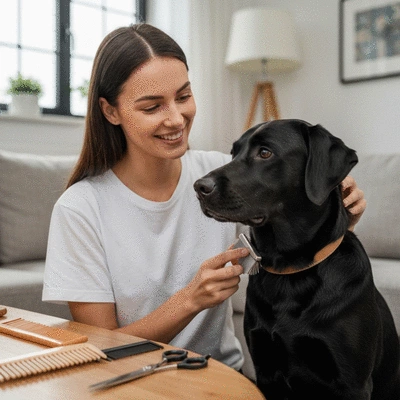
When to Consider Professional Help for Shedding Issues
While DIY methods are great, there are times when it’s best to reach out for professional help. If you notice persistent shedding despite your efforts, or if your dog seems to be uncomfortable with grooming, a professional groomer can provide valuable insights and assistance.
- Unmanageable shedding that leads to skin irritation
- Signs of allergies or skin conditions
- Breed-specific grooming needs that require expertise
In these situations, a professional groomer can help get your furry friend back on track and comfortable during grooming sessions.
Taking Action: A Step-by-Step Plan to Manage Shedding
Now that we've evaluated DIY versus professional approaches, let’s create a step-by-step plan to manage shedding effectively. This plan will help you stay organized and focused, ensuring that your dog remains comfortable and happy during grooming!
Creating a Personalized Shedding Management Schedule
Every dog is different, and their shedding needs can vary greatly. Crafting a personalized schedule will help you address shedding throughout the year. Here are some steps to consider:
- Evaluate your dog's shedding patterns based on breed and seasonal changes.
- Schedule regular grooming sessions—aim for at least once a week.
- Incorporate dietary and grooming changes gradually for the best results.
By sticking to a schedule, you'll not only be proactive about shedding but also foster a stronger bond with your pup through consistent grooming routines!
Monthly and Seasonal Action Plans for Different Breeds
Understanding your dog’s breed is key to tailoring your shedding management plan. For instance, double-coated breeds may require more frequent grooming during their shedding seasons. Here's a basic action plan for different types of coats:
- Short-haired breeds: Brush once a week.
- Medium-haired breeds: Brush every 4-5 days.
- Long-haired breeds: Brush every 2-3 days, especially during shedding seasons.
These action steps can help you stay on top of shedding and keep your home fur-free!
Understanding Shedding Seasons and Their Impact on Grooming
Shedding often intensifies during seasonal changes, particularly in spring and fall. During these times, it’s crucial to double down on grooming efforts. Pay attention to your dog’s coat condition and adjust your grooming schedule accordingly.
- Increase brushing frequency to remove loose hair and reduce household shedding.
- Consider using shedding supplements for support during heavy shedding seasons.
- Monitor your dog's skin for any signs of irritation or allergies that could arise during shedding.
By staying aware of these seasonal shifts, you can proactively manage shedding and keep your dog feeling their best!
Monitoring Progress and Adjusting Your Strategy
As you implement your shedding management plan, it’s essential to monitor progress and make adjustments where needed. This approach helps ensure you’re meeting your dog’s grooming needs effectively.
How Long to Expect Results from Dietary and Grooming Changes
Patience is key! Changes in your dog's coat health and shedding can take time. Typically, you might start seeing results in about 4-6 weeks after implementing new grooming techniques or dietary supplements. Keep a close eye on your dog's coat condition and shedding frequency during this period!
Remember, consistency is crucial for achieving the best results. Regular grooming and a balanced diet work together to support your dog's overall coat health. If your dog struggles with grooming, consider exploring stress-free dog grooming tips.
Join the Conversation: Share Your Experiences and Tips
At Tail & Tidy Journal, we love hearing from fellow pet parents! Sharing experiences and tips can help us all improve our dog's grooming routines and manage shedding more effectively.
Inviting Reader Feedback on DIY Dog Shedding Solutions
Have you tried any DIY solutions for managing shedding? What worked for you? Your insights could help other pet owners struggling with shedding challenges!
Encouraging Community Sharing of Effective Practices
Let’s create a supportive community that shares best practices for grooming! I encourage you to comment below with your tips and tricks for effective shedding management. Together, we can provide a more comfortable grooming experience for our beloved dogs!
Recap of Key Points
Here is a quick recap of the important points discussed in the article:
- Dog shedding is a natural process influenced by genetics, health, and environment.
- Recognizing shedding patterns based on breed and seasons helps in managing it effectively.
- Tailored grooming strategies are essential for breeds known for heavy shedding, like German Shepherds and Golden Retrievers.
- Evaluate DIY methods versus professional grooming to find the best fit for your dog's needs.
- Create a personalized shedding management schedule based on your dog's unique shedding patterns.
- Stay proactive during peak shedding seasons by increasing grooming frequency and monitoring your dog's coat health.