What if you could turn grooming into a joyful experience for your dog? By incorporating environmental enrichment strategies, you can not only ease their anxiety but also strengthen your bond. Here’s what you’ll discover about making grooming a delightful ritual.
What You Will Learn
- Environmental enrichment significantly enhances the grooming experience by reducing stress and anxiety in dogs.
- Key techniques include using soothing scents, soft music, and engaging toys to create a calming atmosphere.
- Positive grooming experiences foster trust and emotional wellbeing, encouraging dogs to look forward to grooming sessions.
- Evaluating the effectiveness of enrichment strategies is crucial for long-term benefits, including tracking pet retention rates and owner feedback.
Environmental Enrichment in Grooming: Impact & Analysis
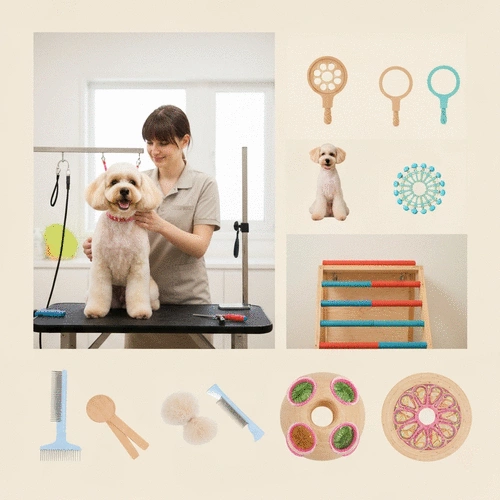
The visual below illustrates key aspects of environmental enrichment in pet grooming, including its benefits, measurement metrics, and a cost-benefit analysis.
What is Environmental Enrichment?
- ✓ Calming scents (lavender)
- ✓ Soft music & familiar space
- ✓ Interactive toys engagement
Why Enrichment Matters
- ✓ Fosters trust & reduces anxiety
- ✓ Positive grooming association
- ✓ Promotes emotional health
Measuring Enrichment Effectiveness
- ● Pet retention rates (return visits)
- ● Owner feedback & dog attitude
- ● Time spent in grooming area
Cost-Benefit Analysis
- ● Initial tool investment (snuffle mats)
- ● Customer loyalty & referrals
- ● Reduced grooming session time
Understanding Environmental Enrichment and Its Role in Grooming
When it comes to grooming our beloved dogs, there’s so much more to consider than just a clean coat! One key aspect that often gets overlooked is environmental enrichment, which plays a vital role in creating a positive grooming experience. As a passionate advocate for dog welfare at Tail & Tidy Journal, I believe that enriching our pets’ environments helps reduce anxiety and promotes a calm demeanor during grooming sessions.
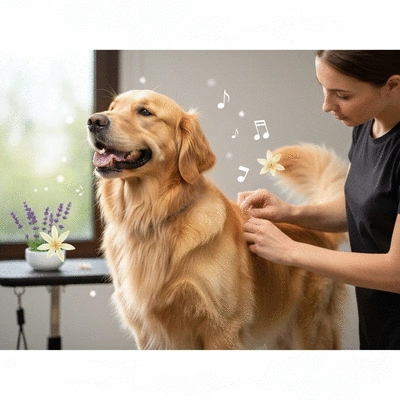
So, what exactly is environmental enrichment in pet grooming? It involves providing sensory experiences and mental stimulation that cater to a dog's natural instincts. This can range from interactive toys to soothing scents, all aimed at enhancing the overall grooming process. By understanding and implementing these techniques, you can transform grooming from a stressful chore into a delightful bonding experience! For more insights on this topic, check out our guide on stress-free dog grooming tips.
What Is Environmental Enrichment in Pet Grooming?
At its core, environmental enrichment is about enhancing your pet’s surroundings to meet their physical and psychological needs. In the context of grooming, this means creating an environment that encourages exploration and interaction. Some examples include using calming scents, playing soft music, or introducing engaging toys during grooming sessions.
- Utilizing soothing scents like lavender or chamomile
- Playing soft music for a calming atmosphere
- Incorporating interactive toys to keep your dog engaged
- Creating a safe, familiar space for grooming
These elements can significantly reduce stress levels and help your dog associate grooming with positive experiences. It’s all about fostering a nurturing environment where your furry friend feels safe and happy!
Why Grooming Enrichment Matters for Animal Welfare
Grooming is not just a necessity; it’s an opportunity to connect with our dogs. Enrichment techniques play a crucial role in enhancing their emotional well-being. By providing a stimulating environment, we can alleviate feelings of anxiety commonly associated with grooming. This is particularly important for pets who may have had negative experiences in the past, and it's a key part of boosting your dog's grooming confidence.
- Fosters trust between you and your dog
- Reduces grooming-related anxiety
- Encourages a positive grooming association
- Promotes overall emotional health
As pet owners, we have a responsibility to prioritize our dogs' welfare. By incorporating simple enrichment strategies, we can make grooming a more enjoyable experience, ensuring our pets feel loved and cared for throughout the process!
The Link Between Environmental Enrichment and Animal Behavior
Understanding the connection between environmental enrichment and animal behavior is key to improving grooming experiences. Dogs are naturally curious creatures who thrive on stimulation. When we engage their minds and senses, we can effectively reduce stress and undesirable behaviors. This is where the magic of grooming enrichment comes into play!
- Reduces restlessness during grooming
- Encourages compliance and cooperation
- Enhances the overall grooming process
By integrating enrichment techniques into grooming routines, we can foster a calm environment that not only benefits our dogs but also strengthens our bond with them. Remember, happy pets make for happy owners!
Pro Tip
To maximize the benefits of environmental enrichment during grooming, consider creating a personalized grooming playlist. Research shows that dogs respond positively to music, especially compositions designed for canine listeners. Soft, calming tunes can help reduce anxiety and make grooming a more enjoyable experience for your furry friend!
Frequently Asked Questions About Environmental Enrichment in Grooming
What is environmental enrichment in dog grooming?
Environmental enrichment in dog grooming involves creating a stimulating and calming environment to reduce stress and enhance the dog's experience. This includes using soothing scents, soft music, interactive toys, and familiar spaces to cater to their physical and psychological needs.
Why is environmental enrichment important for my dog's welfare during grooming?
Enrichment matters for animal welfare because it fosters trust, reduces grooming-related anxiety, encourages a positive association with grooming, and promotes overall emotional health for your dog. It transforms grooming from a stressful event into an enjoyable bonding experience.
How can I measure the effectiveness of enrichment strategies?
You can measure effectiveness by tracking pet retention rates (return visits), gathering owner feedback on their dog's attitude towards grooming, and observing changes in the time pets spend in the grooming area. Positive changes in these metrics indicate successful enrichment.
What are some examples of enrichment tools for grooming?
Examples of enrichment tools include calming scents like lavender, soft background music, interactive toys (e.g., snuffle mats, lick mats), and creating a consistent, safe, and familiar grooming space for your dog.
Can environmental enrichment save money in the long run?
Yes, a cost-benefit analysis often shows that investing in enrichment tools leads to increased customer loyalty and referrals, and can even reduce grooming session times due to decreased anxiety and better cooperation from the dog. This can result in long-term savings and increased revenue.
Evaluating the Long-Term Impact of Environmental Enrichment
As pet parents and groomers, we must consider how environmental enrichment shapes the long-term experiences of our furry friends. After implementing various enrichment strategies, it’s crucial to evaluate their effectiveness in promoting a positive grooming journey. To do this, we can assess several key metrics that gauge our progress and success.

Understanding the impact of these strategies is not just academic; it directly influences our relationship with our pets and enhances their overall well-being. My own experience at Tail & Tidy Journal has shown that even small changes can lead to significant improvements in how our dogs perceive grooming!
Measuring Pet Retention Rates Post-Grooming Enrichment
Retention rates are a vital statistic in understanding the effectiveness of our grooming practices. By tracking how often pets return for grooming sessions, we can see the benefits of environmental enrichment in action. Here are some factors to monitor:
- Frequency of return visits after enrichment implementation
- Feedback from pet owners regarding their dogs’ attitudes towards grooming
- Changes in the time pets spend in the grooming area
These insights can help us refine our techniques, ensuring that we continue to foster positive experiences. Remember, the goal is to make grooming a place where pets feel safe and happy!
Cost-Benefit Analysis of Implementing Enrichment Strategies
Investing in enrichment strategies often involves weighing the costs against the benefits. Here's how to conduct a straightforward cost-benefit analysis:
- Assess the initial investment in enrichment tools (like snuffle mats and toys)
- Track the increases in customer loyalty and referrals resulting from happy pets
- Evaluate any reductions in grooming session time due to decreased anxiety
This analysis not only helps in budgeting but also illustrates the long-term value of creating a more enriching environment. It can turn a simple grooming appointment into a transformative experience!
Assessing the Psychological Well-being of Pets After Grooming
The ultimate measure of success lies in the psychological well-being of our pets post-grooming. It's important to observe how they behave once they leave our grooming spaces. Here are some signs of improved well-being:
- Positive body language (e.g., wagging tails, relaxed posture)
- Less resistance or anxiety during grooming sessions
- Increased eagerness to return for future grooming appointments
By keeping a close eye on these indicators, we can verify that our efforts are genuinely enhancing their grooming experiences. I’ve seen firsthand how Tail & Tidy Journal approaches this with compassion and care, and it’s heartwarming to witness pets thriving! For comprehensive advice on ensuring a positive experience, explore our tips on gentle grooming for anxious dogs.
Recap of Key Points
Here is a quick recap of the important points discussed in the article:
- Environmental enrichment enhances the grooming experience by reducing anxiety and promoting a calm demeanor.
- Utilize soothing scents, soft music, and interactive toys to create a positive grooming environment.
- Building trust and reducing anxiety improves compliance during grooming sessions.
- Evaluate the effectiveness of enrichment strategies through pet retention rates and owner feedback.
- Conduct a cost-benefit analysis to understand the long-term value of implementing enrichment strategies.
- Monitor pets’ post-grooming behavior to assess their psychological well-being.