Bath time can be a bonding experience instead of a chaotic chore. With the right preparations and understanding of your dog's needs, you can transform this routine into a nurturing ritual. Let's discover the essential steps for a successful at-home dog bathing experience!
What You Will Learn
- Understanding your dog's coat type is crucial for effective grooming; short, long, and curly coats each have specific needs.
- Assess your dog's health prior to bathing to ensure they are comfortable and stress-free during the process.
- Gathering the right supplies, including dog-specific shampoos and conditioning products, is essential for maintaining coat health.
- Regular grooming fosters a deeper bond with your dog, promoting trust and reducing grooming anxiety over time.
- Establishing a consistent bathing schedule can enhance your dog's hygiene and overall well-being.
- Recognize signs when professional grooming is necessary for your dog's specific grooming challenges.
Understanding Coat Types and Grooming Needs
Different dog coat types require specific grooming approaches. This visual outlines the primary characteristics and care needs for short, long, and curly-coated breeds.
Short Coats
- Less grooming required
- Frequent brushing is usually enough
- Sleek and shiny appearance
- Less frequent bathing (every 3-4 weeks)
Long Coats
- Regular detangling needed
- May require specialized shampoos
- Prone to mats and tangles
- Frequent brushing & occasional baths (every 2-3 weeks)
Curly Coats
- Requires gentle care
- Benefits from specific products for curl definition
- Needs regular trimming and conditioning
- Specialized care (every 4-6 weeks)
Grooming Benefits
- Improved health from regular cleaning
- Enhanced bonding time
- Increased confidence for your dog
- Helps eliminate dirt & allergens
Essential Preparations for Bathing Your Dog at Home
Bathing your dog at home can be a rewarding experience, but it requires some essential preparations. It’s important to understand your dog's coat type and grooming needs before diving into bath time. This knowledge will not only make the bathing process smoother but also help you maintain the quality and health of your dog's coat. So, let's explore how to set the stage for successful grooming at home! For additional ways to ensure a calm experience, check out our tips on stress-free dog grooming.
Understanding Your Dog's Coat Type and Grooming Needs
Every dog is unique, and their coat type plays a crucial role in how we care for them. By identifying whether your dog has a short, long, or curly coat, you can tailor your bathing routine to meet their specific needs. Take a moment to observe the characteristics of your dog's coat; this will guide you in choosing the right products and techniques.
Identifying Short, Long, and Curly Coat Characteristics
Short-haired dogs are usually easier to care for, requiring less frequent bathing. Their coats tend to be sleek and shiny. In contrast, long-haired breeds need regular grooming to prevent mats and tangles. Curly-coated breeds, like poodles, have unique needs that require gentle care to maintain their beautiful curls.
- Short Coats: Require less grooming; frequent brushing is enough.
- Long Coats: Need regular detangling and may require special shampoos.
- Curly Coats: Benefit from specific grooming products that enhance curl definition.
Understanding these differences can help you choose the right products and grooming techniques, making bath time much more enjoyable for both you and your furry friend!
Assessing Your Dog's Health Before Bathing
Before getting started, it's important to assess your dog's health. Is your pup feeling under the weather? If so, it might be best to postpone the bath. A stressed or sick dog may not respond well to being bathed, which can lead to a negative experience for both of you. Always check for any skin irritations or allergies that might require special attention.
Exploring Different Coat Types and Their Unique Grooming Needs
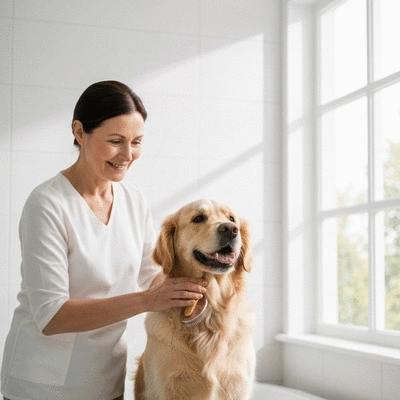
Different coat types come with unique grooming requirements. Short-haired dogs, like Beagles or Boxers, generally require less specialized care. In contrast, long-haired breeds, such as Golden Retrievers or Shih Tzus, need more frequent grooming sessions. Curly-haired dogs, like Cocker Spaniels, require regular trimming and conditioning. Taking the time to learn about these differences can significantly enhance your grooming routine and contribute to a healthy dog coat.
Gathering the Right Supplies for a Successful Bath
Now that we've laid the groundwork, it’s time to gather the right supplies for your dog's bath. Having the proper materials on hand can make the process smoother and more enjoyable. Here are the essentials you’ll need for a successful bath!
Choosing the Best Dog Shampoo for Different Coat Types
Choosing the right shampoo is fundamental to your dog's grooming routine. Look for products specifically formulated for dogs, as human shampoos can irritate their skin. Consider your dog's coat type, and select shampoos that cater to their individual needs.
- Moisturizing shampoos: Great for dry or long-haired breeds.
- Hypoallergenic shampoos: Ideal for dogs with sensitive skin.
- Deodorizing shampoos: Perfect for dogs that love to roll in the dirt!
By selecting the right shampoo, you not only clean your dog's coat but also help maintain its natural oils.
Essential Tools: Brushes, Towels, and Beyond
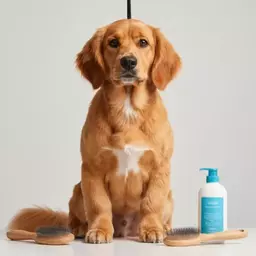
Having the right tools is just as important as having the right shampoo. A good-quality brush can make all the difference, especially for long-haired and curly-coated breeds. You'll also need a couple of soft towels handy for drying your dog post-bath. Remember, having a comfortable space for your dog to dry off will enhance their experience!
Understanding the Role of Dog Conditioners in Coat Maintenance
Conditioners are a great addition to your grooming toolkit. They help keep your dog's coat soft, shiny, and healthy, especially after a bath. Look for pet-safe conditioners that match your dog's coat type. Regular use will help you maintain a beautiful coat and can even aid in detangling.
Pro Tip
To make bath time even more enjoyable for your dog, consider adding a few drops of lavender or chamomile essential oil to the water. These soothing scents can help calm anxious dogs and create a spa-like atmosphere. Just be sure to use pet-safe essential oils and consult your veterinarian if you're unsure!
Summarizing the Benefits of Home Dog Bathing
Bathing your dog at home is not just about keeping their coat clean; it’s about forging a deeper bond with your furry friend. Through regular grooming, you can foster trust and comfort, making bath time a positive experience for both of you. Let’s explore some of the key benefits that come with this loving routine!
- Improved health from regular cleaning and inspection.
- Enhanced bonding time through shared experiences.
- Increased confidence for your dog when handled gently at home.
By taking the time to care for your dog’s hygiene, you are also promoting their overall well-being. It’s a win-win situation that can lead to a happier and healthier pup!
Building a Bond with Your Dog Through Grooming
Regular grooming isn’t just about cleanliness; it’s a wonderful opportunity to connect with your dog! As I often say at Tail & Tidy Journal, the way we care for our pets speaks volumes about our love for them. Bathing your dog can help establish a routine that reinforces your presence as a source of comfort and safety.
- Bathing creates a safe space for your pup, helping them feel secure.
- It allows you to inspect for any skin issues or parasites.
- Grooming together builds a trusting relationship, making future grooming easier.
When you incorporate gentle techniques and positive reinforcement during bath time, you’re not just cleaning their coat; you’re nurturing a relationship based on love and care!
The Importance of Regular Grooming for Your Dog's Health
Just like we need regular personal care, your dog benefits immensely from consistent grooming! A clean coat can prevent skin irritations and infections, while regular baths help to manage shedding and dander in your home. Isn't it great to think that something as simple as a bath can contribute to their overall health?
- Helps eliminate dirt and allergens from their coat.
- Encourages a healthier skin environment.
- Reduces odors that can arise from dirt and oils.
Keeping your dog clean and well-groomed means they can enjoy their time with you without discomfort or embarrassment—who doesn’t want their dog feeling their best?
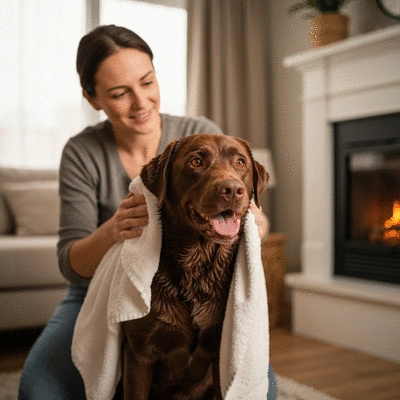
How Home Grooming Enhances Canine Hygiene
Home grooming allows you to be proactive about your dog’s hygiene needs. By regularly bathing and brushing them, you can catch any potential health issues before they escalate. Plus, it’s a great way to bond while giving your dog the loving attention they deserve!
- Regular baths can help with itchy skin caused by allergens.
- Brushing removes loose fur and prevents matting.
- Establishes a routine that your dog will come to expect and enjoy.
In short, your dog’s hygiene becomes a shared journey rather than a chore, resulting in a happier, healthier life together.
When to Seek Professional Grooming Services
While home grooming is essential, there are times when professional help is a must! Knowing when to call in the experts can make all the difference in your dog's grooming experience. Here are some signs that indicate it might be time to seek professional grooming services.
- Your dog has matted fur that you can't brush out.
- They require a specific grooming style or cut.
- Your dog has special needs or health issues that require expert attention.
By recognizing these situations, you can ensure that your pup is always looking their best and feeling comfortable!
Signs That Indicate It's Time to Call in the Experts
Sometimes, despite our best efforts, we can’t manage certain grooming challenges on our own. If you notice any of the following signs, it might be time to reach out to a professional groomer:
- Persistent odor even after a bath.
- Skin conditions that appear to need treatment.
- Excessive shedding or signs of fleas and ticks.
Professional groomers are equipped with the skills and tools necessary to tackle these issues effectively, ensuring your dog remains healthy and happy!
Understanding the Role of Professional Groomers in Dog Care
Professional groomers play a critical role in enhancing your dog’s grooming experience. They not only provide expert grooming but also offer valuable advice on coat maintenance and health. Think of them as your allies in your dog’s care journey!
- They have a deep understanding of various coat types and needs.
- They can identify health issues during grooming.
- They offer a safe environment for anxious dogs who may need extra care.
By partnering with a professional, you can ensure a level of care and attention that supports your dog’s grooming needs while also enhancing your bond!
Frequently Asked Questions About At-Home Dog Bathing
- Q: How often should I bathe my dog?
- A: The bathing frequency depends on your dog's coat type, activity level, and any specific skin conditions. Short-haired dogs may need a bath every 3-4 weeks, long-haired breeds every 2-3 weeks, and curly-coated breeds every 4-6 weeks.
- Q: Why is it important to choose dog-specific shampoo?
- A: Dog-specific shampoos are formulated to match your dog's skin pH, which is different from human skin. Human shampoos can irritate their skin and strip natural oils, leading to dryness or other skin issues.
- Q: What are the benefits of home grooming beyond cleanliness?
- A: Home grooming fosters a deeper bond and trust between you and your dog, allows for early detection of potential health issues like skin irritations or parasites, and promotes a happier, healthier overall well-being for your dog.
- Q: When should I consider professional grooming services?
- A: You should consider professional grooming if your dog has matted fur you can't remove, requires a specific breed-standard cut, has special needs or health issues requiring expert handling, or if you notice persistent odor or skin conditions that need treatment.
- Q: How can I make bath time a positive experience for my dog?
- A: Create a calm environment, use positive reinforcement (treats and praise), ensure the water temperature is comfortable, use pet-safe products, and consider soothing scents like lavender or chamomile essential oils (if pet-safe and approved by your vet) to help calm anxious dogs.
Encouraging Ongoing Care and Maintenance
Creating a lasting routine for your dog’s grooming is key to maintaining their health and well-being. When we prioritize regular baths and grooming, we cultivate a culture of care that reflects our love for them.
Creating a Regular Bathing Schedule for Your Dog
Establishing a bathing schedule can help you stay on track with your dog’s grooming needs. Consider their coat type, activity level, and any specific skin conditions when determining how often to bathe them. Remember, consistency is key! For dogs that are naturally anxious, consider exploring calm grooming techniques for anxious dogs to make this routine even smoother.
- Short-haired dogs may need a bath every 3-4 weeks.
- Long-haired breeds might require more frequent brushing and occasional baths every 2-3 weeks.
- Curly-coated breeds could need specialized care every 4-6 weeks.
By keeping a routine, you’ll make grooming a natural part of your dog’s life, leading to fewer surprises and a more relaxed bathing experience!
Tips for Maintaining Coat Health Between Baths
Between baths, there are several steps you can take to keep your dog’s coat healthy and shiny. Regular brushing is essential, but there are other techniques you can incorporate into your routine. Here are some tips to help maintain coat health:
- Brush your dog to remove tangles and loose hair.
- Use a damp cloth for spot cleaning after outdoor play.
- Consider using a leave-in conditioner for extra moisture.
Simple practices can go a long way in ensuring your dog’s coat stays healthy and beautiful!
How to Adjust Bathing Frequency Based on Coat Type
It’s essential to adapt your bathing frequency based on your dog’s specific coat type. Understanding their unique needs can help you maintain their coat effectively and avoid issues like dryness or irritation.
- Short-haired dogs generally require fewer baths.
- Long-haired breeds may benefit from more regular cleaning to manage tangles.
- Curly coats may need specialized products to maintain curl definition.
Tailoring your bathing routine to their coat type can enhance their grooming experience and keep your pup looking their best!
Inviting Feedback and Sharing Experiences
At Tail & Tidy Journal, we believe in the power of community! Sharing your experiences and tips about dog bathing and grooming can enrich the knowledge of fellow pet owners. I invite you to share your stories, successes, and lessons learned!
Encouraging Readers to Share Their Bathing Stories and Tips
Whether it’s a funny anecdote from bath time or a technique that worked wonders for your dog, your insights can help others navigate their grooming journeys. Together, we can create a supportive environment for all pet parents!
- What’s your favorite grooming tip?
- Have you created a special bonding ritual with your dog during bath time?
- What challenges have you faced, and how did you overcome them?
By sharing our experiences, we empower one another to provide the best care for our beloved pets!
Recap of Key Points
Here is a quick recap of the important points discussed in the article:
- Understand your dog’s coat type (short, long, or curly) to tailor grooming routines effectively.
- Assess your dog's health before bathing to ensure a positive experience.
- Gather essential supplies, including dog-specific shampoos and conditioners suited for their coat type.
- Create a calm environment during bath time to enhance bonding and trust.
- Establish a consistent bathing schedule based on your dog's coat type and activity level.
- Consider professional grooming services when faced with challenges like matting or specific grooming needs.