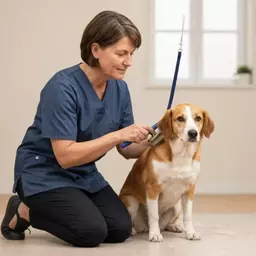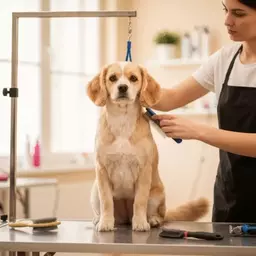
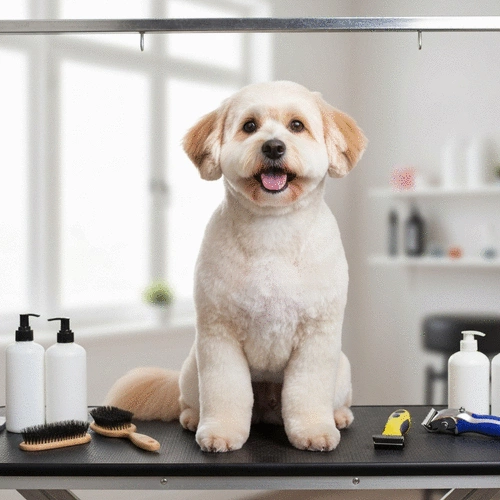
As a pet owner, have you ever wondered how your dog's past experiences shape their reactions to grooming? Understanding your furry friend's anxiety can transform a daunting task into a comforting ritual.
What You Will Learn
- Recognize common signs of anxiety in dogs, such as trembling, whining, or excessive licking.
- Identify triggers for grooming anxiety, including loud noises and previous negative experiences.
- Implement effective strategies to create a calm grooming environment that fosters trust and security.
- Understand the importance of patience and gradual introduction of grooming tools to reduce stress.
- Explore ways to enhance positive associations with grooming through treats and interactive toys.
- Connect with local groomers for professional support and tailored insights for your dog's grooming needs.
Key Strategies for Confident Dog Grooming
Transforming grooming into a positive experience involves understanding your dog's anxiety and implementing supportive techniques. For more detailed guidance on creating a calm grooming environment, consider exploring our article on calm grooming for anxious dogs.
Identifying Anxiety Signs
Recognizing your dog's distress signals is the first step towards a calmer grooming session.
- ✓ Trembling/Shaking
- ✓ Whining/Barking
- ✓ Avoidance Behaviors
Common Anxiety Triggers
Pinpointing triggers helps in creating a more positive and controlled grooming environment.
- ✓ Negative Experiences
- ✓ Loud Noises
- ✓ New Environments
Confidence Building Strategies
A step-by-step approach to make grooming a positive and rewarding experience.
- ● Positive Environment
- ● Desensitization
- ● Positive Reinforcement
Tools for Positive Associations
Incorporating enjoyable elements can significantly reduce stress and build trust.
- ★ Interactive Toys
- ★ Puzzle Treats
- ★ Calming Tools
Understanding Your Dog's Anxiety During Grooming
Grooming can be a stressful experience for our furry friends, and as pet parents, it’s crucial to understand their feelings. Many dogs exhibit signs of anxiety during grooming, which can stem from past experiences or simply the unfamiliarity of the process. By identifying these signs and understanding the common triggers, we can create a more peaceful grooming environment that benefits both us and our beloved pets!
As someone who has spent years in the pet care industry, I’ve seen firsthand how a little understanding can transform grooming from a fear-inducing event into a comforting routine. Let’s dive into how we can recognize those signs of anxiety in our dogs and what might be causing them!
Identifying Signs of Fear in Your Dog
Every dog is unique, but there are several common signs that can indicate fear or anxiety during grooming. Look out for:
- Trembling or shaking - This is often a clear sign that your dog is nervous.
- Whining or barking - Vocalization can signal distress.
- Avoidance behaviors - If your dog tries to hide or escape, they are likely feeling anxious.
- Excessive licking or yawning - These can be signs of stress as well.
Being attuned to these signs is the first step towards supporting your dog through the grooming process. Remember, it’s all about creating a safe space where your dog feels secure and loved! For more insights into recognizing stress signals, read our guide on calming dog grooming anxiety tips.
Common Triggers for Grooming Anxiety
Understanding what triggers anxiety in our dogs can help us avoid those situations or manage them better. Common triggers include:
- Previous negative experiences - A bad grooming session can leave lasting impressions.
- Loud noises - Things like clippers or the vacuum can be frightening!
- New environments - If you’re taking your dog to a groomer, the unfamiliar setting can be daunting.
- Physical discomfort - If your dog has sensitive skin or tangles, grooming can be painful.
By pinpointing these triggers, we can work towards creating a more positive experience. Remember, every little change contributes to a calmer and more enjoyable grooming routine!
We Want to Hear From You!
What techniques have you found most effective in reducing your dog's grooming anxiety? Share your thoughts below:
Summarizing Key Strategies for Confident Grooming
At Tail & Tidy Journal, we believe that fostering a calm and supportive grooming experience for your dog is essential. It’s all about understanding their needs and building their confidence over time. Let’s recap some of the effective step-by-step techniques we discussed to help reduce anxiety during grooming sessions!
- Assess your dog’s comfort level before starting the grooming process.
- Create a positive environment that feels safe and inviting.
- Utilize calming tools and treats to enhance relaxation.
- Incorporate desensitization exercises to gradually introduce grooming tools.
- Implement positive reinforcement strategies to reward calm behavior.
By focusing on these strategies, you can significantly improve your dog’s grooming experience. Remember, each dog is unique, so it’s important to tailor your approach to their specific needs and personality.
Importance of Patience and Understanding in the Process
Patience is key when it comes to grooming your dog, especially if they show signs of anxiety. It’s vital to recognize that building trust takes time. Each grooming session is not just about cleaning your dog but also about creating a bond and assuring them that they are safe and loved.
Understanding your dog’s behavior will also help you adjust your techniques. If your dog is fearful or resistant, slowing down the process and providing extra reassurance can make a world of difference. Just like us, our furry friends respond to kindness and encouragement! To learn more about creating a stress-free experience, check out our stress-free dog grooming tips.
Taking Action: Your Next Steps for a Stress-Free Grooming Experience
Implementing the Techniques Shared in This Guide
Now that you have a solid understanding of the techniques to build your dog’s confidence, it’s time to put them into action! Start by assessing your dog’s comfort level and introducing one or two of the strategies we discussed. You might find that setting up a calming environment with soft music and treats creates a more enjoyable grooming atmosphere.
Take it slow and monitor your dog's reactions. If they seem more relaxed, gradually introduce new tools or techniques. Consistency is crucial, so try to incorporate these techniques into your regular grooming routine.

Connecting with Local Groomers for Ongoing Support
Don’t hesitate to seek out local groomers who understand the importance of a gentle approach to grooming. Establishing a relationship with a professional can provide you with additional support and insight into your dog’s needs. They can share valuable tips tailored to your dog's unique traits and grooming style.
Furthermore, many groomers offer workshops or training sessions that can enhance your skills and confidence in grooming your pet at home.
Exploring Interactive Toys and Treats for Positive Associations
Creating positive associations is a great way to alleviate grooming anxiety. Consider incorporating interactive toys or special treats that your dog loves during grooming sessions. These can serve as distractions and rewards for good behavior.
- Chew toys that can be enjoyed during grooming.
- Puzzle toys filled with treats to keep their mind engaged.
- Specially designed grooming treats to reward calmness.
By making grooming a fun and rewarding experience, you’ll not only reduce anxiety but also strengthen the bond you share with your furry friend. Remember, with patience, understanding, and the right techniques, you can transform grooming from a stressful chore into a cherished routine!
Recap of Key Points
Here is a quick recap of the important points discussed in the article:
- Recognize signs of anxiety in dogs, including trembling, vocalization, and avoidance behaviors.
- Identify common triggers for grooming anxiety, such as past negative experiences and loud noises.
- Create a positive grooming environment that feels safe and inviting.
- Utilize calming tools, desensitization exercises, and positive reinforcement to enhance the grooming experience.
- Be patient and understanding, allowing your dog to build trust over time during grooming sessions.
- Seek support from local groomers who practice gentle techniques tailored to your dog's needs.
Frequently Asked Questions (FAQs)
Here are some common questions about managing dog grooming anxiety:
- What are the most common signs of grooming anxiety in dogs?
Common signs include trembling, shaking, whining, barking, avoidance behaviors (like hiding or trying to escape), excessive licking, and yawning. - What typically triggers a dog's grooming anxiety?
Triggers often include previous negative grooming experiences, loud noises (like clippers), unfamiliar environments (such as a new groomer's salon), and physical discomfort from tangles or sensitive skin. - How can I create a calming environment for grooming?
You can create a calming environment by using soft music, calming pheromone sprays, ensuring a comfortable temperature, and having treats readily available to associate grooming with positive experiences. - Is it possible to desensitize my dog to grooming tools?
Yes, desensitization involves gradually introducing grooming tools to your dog in short, positive sessions, paired with treats and praise, to help them become comfortable with the sight, sound, and feel of each tool. - What role does positive reinforcement play in reducing grooming anxiety?
Positive reinforcement, such as giving treats, praise, or interactive toys for calm behavior during grooming, helps create positive associations with the process, making your dog more willing and relaxed for future sessions.