Early detection is key to maintaining your pet's health. Being aware of the signs of coat and skin problems can lead to timely interventions that improve your furry friend's quality of life. Let's explore some essential insights into recognizing and addressing these issues!
What You Will Learn
- Recognize common symptoms of skin issues such as persistent itching, hair loss, and redness.
- Understand the significance of immediate veterinary attention for signs of infection or rapid spread of skin conditions.
- Learn the importance of regular veterinary visits for proactive care to maintain skin and coat health.
- Discover how building a strong relationship with your veterinarian can enhance the care your pet receives.
Recognizing and Responding to Pet Skin Issues
Early detection and proactive care are crucial for maintaining your pet's skin and coat health. This visual highlights common symptoms and immediate action indicators. For more proactive care tips, consider exploring resources on healthy dog coat care tips.
Early Symptoms to Watch For
- ✓ Persistent Itching & Scratching
- ✓ Visible Hair Loss & Dandruff
- ✓ Redness, Sores, & Scabs
- ✓ Lumps, Bumps, & Odors
Early detection prevents discomfort and serious health issues.
Emergency Symptoms (Act Fast!)
- ⚠ Signs of Infection (Pus, Abscesses)
- ⚠ Rapid Spread of Conditions
- ⚠ Pain & Lethargy
These require immediate veterinary attention to prevent worsening.
Proactive Care & Vet Visits
- ★ Routine Examinations
- ★ Vaccinations & Parasite Prevention
- ★ Dietary Needs & Allergens
- ★ Consistent Grooming Routine
Regular check-ups and preventative measures ensure long-term health.
Building Vet Relationship
- ► Open Communication on Concerns
- ► Ask Questions About Care
- ► Share Pet's History
- ► Schedule Regular Check-ups
A strong vet relationship ensures personalized and continuous care.
Understanding Common Signs of Coat and Skin Problems in Pets
As a devoted pet parent, it’s essential to stay vigilant about your furry friend’s coat and skin health. Understanding the early signs of coat and skin problems can make a significant difference in their overall well-being. At Tail & Tidy Journal, we’re committed to empowering you with the knowledge you need to recognize these symptoms early on!
When we talk about skin issues, they can manifest in various ways. Let's dive into some common signs to look out for!
Recognizing Early Symptoms of Skin Issues
Identifying skin problems in your pet early can prevent discomfort and more serious health issues down the line. Here are a few key symptoms to monitor:
- Persistent Itching and Scratching
- Visible Hair Loss and Dandruff
- Redness, Sores, and Scabs
- Lumps, Bumps, and Unpleasant Odors
Persistent Itching and Scratching
If you notice your dog scratching or licking more than usual, it might indicate an underlying skin issue. This behavior can be caused by allergies, irritants, or even parasites. A gentle approach, like soothing your pup with comforting words, can help them feel more at ease during this time. Remember to check for any signs of redness or irritation while you’re at it!
Visible Hair Loss and Dandruff
Another common sign of skin trouble is hair loss or noticeable dandruff. This might not just be a cosmetic issue; it could signal conditions like fungal infections or nutritional deficiencies. Pay attention to the areas where the hair loss is occurring, as this can guide you in identifying the cause.
Redness, Sores, and Scabs
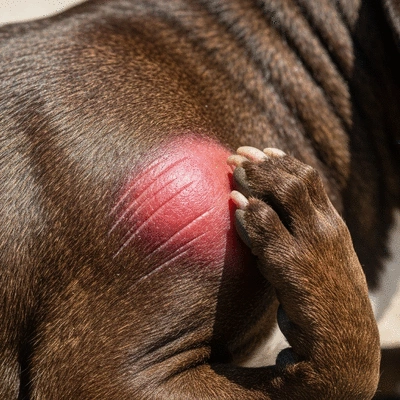
Increased redness, sores, or scabs on your dog’s skin are red flags that should not be ignored. These symptoms can indicate inflammation or infection, which may require prompt veterinary care. Keeping your dog's grooming routine calm and gentle is crucial, as regular monitoring can help catch these symptoms early! For tips on managing grooming, especially for sensitive dogs, check out our guide on gentle grooming for sensitive dogs.
Lumps, Bumps, and Unpleasant Odors
If you discover any lumps or bumps on your pet, along with unusual odors, it's important to consult your vet. These could be signs of infections or even tumors. Regularly checking your dog’s skin can help you identify these changes early and keep your furry friend healthy!
Identifying Emergency Symptoms That Require Immediate Attention
While the earlier signs mentioned should prompt a visit to the vet, some symptoms require immediate attention. Keep an eye out for:
- Signs of Infection: Pus and Abscesses
- Rapid Spread of Skin Conditions
- Signs of Pain and Lethargy in Pets
Signs of Infection: Pus and Abscesses
If you notice any pus-filled areas or abscesses, these are clear indicators of an infection that needs immediate treatment. Don't wait for it to worsen; a quick trip to the vet can help your pet get the care they need!
Rapid Spread of Skin Conditions
When skin issues spread quickly, that’s a sign to act fast. Conditions that escalate can lead to significant discomfort for your pet. It’s always better to err on the side of caution and get your pup checked out!
Signs of Pain and Lethargy in Pets
If your dog seems unusually tired or is showing signs of pain, it’s crucial to seek veterinary help right away. These symptoms can indicate serious health issues that require immediate intervention. Remember, your furry friend relies on you to keep them safe and healthy!
Pro Tip
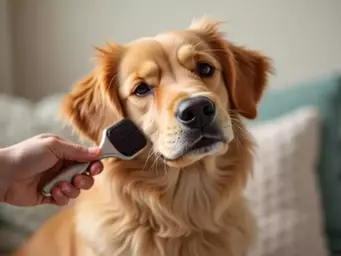
Did you know? Regular grooming not only helps maintain a healthy coat but also serves as a vital bonding experience between you and your pet. By incorporating gentle brushing into your routine, you can detect early signs of skin issues while providing comfort and affection to your furry friend!
Summarizing Key Points on Pet Skin and Coat Health
Understanding pet skin and coat health is essential for every pet owner. By being aware of the signs of skin disorders, you can take action before issues become serious. Remember that early detection can make a significant difference in your furry friend's comfort and overall well-being! So, let's recap some vital symptoms to watch for and how to respond appropriately.
Recognizing Symptoms of Skin Disorders and Knowing When to Act
It's crucial to stay vigilant regarding your dog's skin health. Here are some common symptoms that should raise a red flag:
- Persistent itching and scratching
- Visible hair loss and dandruff
- Redness, sores, or scabs
- Lumps, bumps, and unpleasant odors
By regularly checking for these signs, you can ensure that your dog receives timely care. If you notice any alarming symptoms, don’t hesitate to reach out to your veterinarian. Early intervention can save your pet from discomfort and more severe conditions!
The Importance of Proactive Care and Vet Visits for Long-Term Health
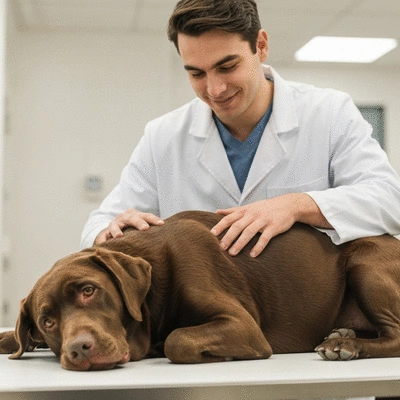
Proactive care is essential for maintaining your pet's skin and coat health. Regular veterinary visits not only help in monitoring existing conditions, but they also play a key role in preventing future issues. It's like having a safety net for your furry friend!
- Conduct routine examinations to identify any changes in skin condition.
- Follow your vet's recommendations for vaccinations and parasite prevention.
- Discuss dietary needs and potential allergens to promote skin health.
- Keep an eye on your dog's grooming routine to maintain a healthy coat.
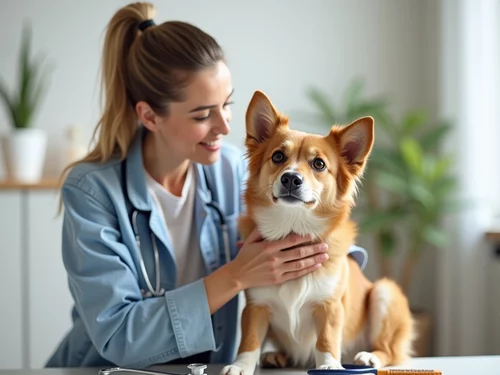
By fostering a relationship with your veterinarian and participating in regular check-ups, you can ensure your dog remains healthy and happy. Remember, it's all about creating a bond of trust and open communication for the best possible care!
Encouraging Proactive Engagement with Veterinary Services
Engaging with veterinary services proactively can set the stage for a healthier life for your pet. Your dog's health is a partnership between you and your vet—one that deserves attention and care!
Building a Relationship with Your Veterinarian for Better Care
Establishing a strong relationship with your veterinarian is like having a trusted teammate in your dog’s health journey. Here are a few tips to help build that connection:
- Be open about any concerns or changes you notice in your pet.
- Ask questions about treatment plans or preventive care options.
- Share your pet’s history for more personalized care.
- Schedule regular check-ups to stay on top of any issues.
A good veterinarian will appreciate your involvement and work with you to ensure your dog’s health continues to thrive! Learning to manage grooming stress effectively can also strengthen this partnership.
Resources for Further Information on Veterinary Dermatology and Skin Health
Knowledge is power, especially when it comes to caring for your dog’s skin and coat. Luckily, there are plenty of resources available to help you learn more about veterinary dermatology and how to keep your pet healthy:
- Local veterinary clinics and their websites often have great articles and guides.
- Books and online courses on pet health and grooming techniques.
- Pet health forums where you can ask questions and share experiences with fellow pet owners.
- Social media groups dedicated to pet care and grooming advice.
By utilizing these resources, you’ll be well-equipped to take proactive measures for your furry friend’s skin and coat health. Let’s work together for a happy, healthy life for our pets!
Frequently Asked Questions (FAQs) About Pet Skin and Coat Health
Here are some common questions about identifying and managing skin and coat issues in pets:
- What are the most common early signs of skin problems in pets?
Common early signs include persistent itching and scratching, visible hair loss and dandruff, redness, sores, scabs, lumps, bumps, and unusual odors. - When should I take my pet to the vet immediately for a skin issue?
Seek immediate veterinary attention if you notice signs of infection (pus, abscesses), rapid spread of skin conditions, or if your pet is showing signs of pain and lethargy. - How often should my pet have routine veterinary check-ups for skin health?
Regular routine examinations are recommended to monitor for any changes in skin condition, discuss dietary needs, and ensure vaccinations and parasite prevention are up to date. Your vet can provide a specific schedule based on your pet's age and health. - Why is building a strong relationship with my veterinarian important?
A strong relationship with your vet ensures personalized and continuous care. Open communication, asking questions, sharing your pet's history, and scheduling regular check-ups contribute to better overall health management for your furry friend. - Are there any at-home tips to help maintain my pet's coat and skin health?
Yes, consistent grooming routines, monitoring for early symptoms, and providing a balanced diet can significantly contribute to skin and coat health. Always consult your vet before trying new remedies or supplements.
Recap of Key Points
Here is a quick recap of the important points discussed in the article:
- Monitor for Early Symptoms: Keep an eye out for persistent itching, hair loss, redness, and lumps on your pet's skin.
- Seek Immediate Help for Emergencies: Symptoms like pus, rapid skin spread, and lethargy require quick vet consultation.
- Proactive Veterinary Care: Regular check-ups and open communication with your vet can help maintain your pet's skin and coat health.
- Utilize Available Resources: Explore veterinary clinics, online courses, and pet health forums for more knowledge on skin health.