Bath time can be a battle for many dogs, but it doesn't have to be! With the right understanding and techniques, you can transform this often-dreaded routine into a bonding experience filled with love and trust. Let's explore some key insights to make bath time enjoyable for both you and your furry friend.
What You Will Learn
- Understanding the psychological factors behind dogs' bath time anxiety.
- Recognizing common signs of anxiety in dogs during baths.
- Effective techniques to calm your dog during bath time.
- Creating a positive and comfortable bathing environment for your dog.
- The importance of establishing a consistent bathing routine.
- How to assess your dog’s comfort and improve your bathing techniques based on feedback.
Understanding and Overcoming Dog Bath Time Anxiety
This visual summarizes the common reasons behind dog bath time anxiety, key signs to watch for, and effective techniques to create a positive bathing experience. The goal is to transform a stressful event into a bonding opportunity for you and your dog. For more detailed strategies on managing fear, consider exploring grooming psychology for fearful dogs.
Why Dogs Fear Baths: Psychological Factors
- ✓ Startling water sounds
- ✓ Dislike of wet sensation
- ✓ Restraint triggers panic
- ✓ Past negative experiences
Signs of Anxiety During Bathing
- ✓ Tucked tail / flattened ears
- ✓ Panting or pacing
- ✓ Whining or excessive barking
- ✓ Attempting to escape
Calming Bathing Techniques
- ✓ Gradual desensitization
- ✓ Positive reinforcement (treats)
- ✓ Enjoyable bath environment
- ✓ Utilizing calming products
Frequencies for Routine Bathing
- ✓ Short-haired: 4-6 weeks
- ✓ Long-haired: 2-4 weeks
- ✓ Sensitive skin: Less frequent
- ✓ Adapt to dog's specific needs
Understanding Your Dog's Bath Time Anxiety
Bath time can be a source of stress for many dogs, leading to anxiety and fear. As a pet parent, it’s essential to understand why your furry friend may dread this experience. Often, a dog's fear of baths stems from past negative experiences, unfamiliarity with water, or simply feeling restrained during the process. By delving into the psychology behind bath time, we can start to create a calmer environment for our pets.
The sounds of running water, the feeling of being wet, and even the slippery tub surface can be overwhelming for some dogs. They might associate baths with discomfort or restraint, which can heighten their anxiety. Understanding these factors is key to helping them feel more at ease during their grooming routines.
Why Do Dogs Fear Baths? The Psychology Behind Bath Time
To effectively tackle bath time anxiety, we first need to recognize the psychological elements involved. Dogs are creatures of habit, and any deviation from their routine can cause stress. When they sense a change, like the preparation for a bath, their anxiety levels might spike. Additionally, many dogs have an instinctual fear of water due to unfamiliarity. They don’t understand that a bath is meant to be a positive experience!
- The sound of water can be startling.
- Some dogs dislike the sensation of being wet.
- Restraint during bathing can trigger panic.
- Past negative experiences may haunt them.
By understanding these underlying reasons, we can better prepare to alleviate their fears and make bath time a more enjoyable experience for both of you!
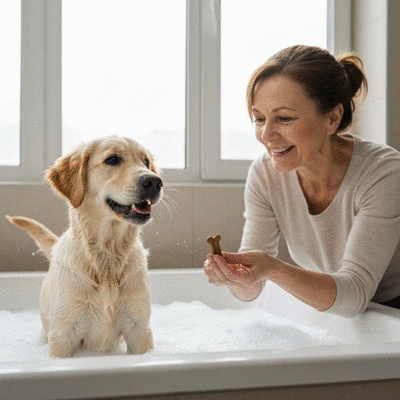
Identifying Signs of Anxiety in Your Dog During Bathing
Recognizing the signs of anxiety in your dog is crucial to addressing their fears effectively. Every dog shows anxiety differently, but there are some common behaviors you can look out for. If your dog is panting heavily, whining, or attempting to escape, it’s likely they are feeling stressed. Being attuned to these signals allows you to adjust your approach.
- Tucked tail or flattened ears
- Panting or pacing
- Whining or barking excessively
- Trying to escape the bathing area
Paying attention to these behaviors will guide you in creating a more positive bathing environment for your dog. Remember, patience is key—taking the time to understand and respond to your dog’s needs will help build their trust and make bath time much smoother!
Calm Bathing Techniques to Reduce Stress
Now that we’ve covered the psychological elements of bath time anxiety, let’s explore some effective techniques to help your dog feel more relaxed during their bath. By incorporating calm and gradual methods, we can transform this often-dreaded chore into a pleasant bonding experience. For more tips on creating a relaxed atmosphere, check out our guide on how to relax your dog with baths.
- Gradual desensitization to water
- Using positive reinforcement with treats
- Creating an enjoyable bath environment
- Utilizing calming products
These techniques can significantly decrease your dog’s stress levels and pave the way for a more positive grooming experience. Together, we can make bath time something your dog looks forward to!
Pro Tip
Did you know that introducing fun toys or a favorite squeaky during bath time can help distract your dog and reduce anxiety? Incorporating something they love can transform bath time into a playful experience rather than a stressful one!
Making Bath Time a Positive Experience for Both You and Your Dog
Transforming bath time into a positive experience is crucial for both you and your furry friend. By implementing effective calm bathing techniques, you can create an enjoyable atmosphere that minimizes anxiety. Let's summarize some of these techniques to ensure bath time becomes a moment of bonding and trust!
- Start with gradual desensitization to water.
- Utilize positive reinforcement through treats and praise.
- Prepare a comfortable bathing environment.
- Incorporate calming products as needed.
As I’ve seen through my experience with Tail & Tidy Journal, these strategies can significantly reduce your dog’s fear and elevate their comfort level during bath time. It's all about fostering that strong connection between you and your pup!
Incorporating Feedback and Continuous Improvement
Just like any other skill, improving your bath time routine takes feedback and adjustments. Listening to your dog and observing their reactions can guide you in fine-tuning your techniques. Has your dog shown any progress? Are there specific elements that make them more relaxed? These insights are invaluable!
- Monitor your dog's body language for signs of comfort or anxiety.
- Keep a record of what techniques work best.
- Be open to adjusting your approach based on your dog's feedback.
At Tail & Tidy Journal, I encourage pet parents to embrace this journey of continuous improvement. Every bath time can be an opportunity to build trust and understanding, so take note of what resonates with your pup!
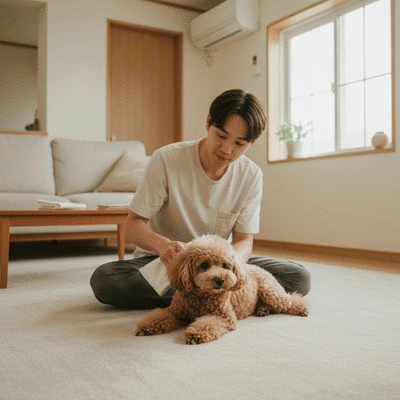
Encouraging Ongoing Bathing Success
Creating a Routine: Frequency and Consistency in Bathing
Establishing a regular bathing routine is key to making the experience less stressful for your dog. A consistent schedule not only helps your pet know what to expect but also contributes to their overall health. How often should you be bathing your dog? Here are some general guidelines:
- Short-haired breeds may require baths every 4-6 weeks.
- Long-haired breeds might need baths every 2-4 weeks.
- Dogs with sensitive skin may benefit from less frequent bathing.
As we emphasize at Tail & Tidy Journal, adapting your bathing routine to your dog's specific needs is essential. Consistency breeds comfort, so stick to a schedule that works for both of you!
Seeking Feedback from Your Dog: Signs of Improvement
Evaluating your dog's comfort and happiness during bath time is crucial. Are they wagging their tail? Do they seem relaxed in the water? These signs are strong indicators of progress. Here are some ways to check for improvement:
- Look for relaxed body language rather than tensed muscles.
- Observe whether they enjoy the bathing process more over time.
- Notice if they seek out the bath space for positive interactions.
By tuning into your dog's responses, you can adjust your techniques further to ensure they feel safe and loved during bath time!
Utilizing Visuals and Video Demonstrations for Better Clarity
Sometimes, seeing is believing! Utilizing visuals, such as video demonstrations, can enhance your understanding of effective bathing techniques. Watching someone else successfully bathe their dog can inspire confidence and provide a clear roadmap for your own experiences. For more actionable advice on grooming, check out our tips for daily or weekly dog grooming.
Establishing a Bathing Checklist for Consistency
Creating a bathing checklist can be a game changer! A simple checklist keeps you organized and ensures you don’t miss any steps. Here’s a quick template you can use:
- Gather all bathing supplies (shampoo, towels, treats).
- Prepare the bathing area with a non-slip mat.
- Ensure the water temperature is lukewarm.
- Reward your dog with treats during and after the bath.
This structured approach enhances consistency and makes bath time smoother, which is something every pet parent can appreciate!
Frequently Asked Questions About Dog Bath Time Anxiety
Here are some common questions and answers to help you better understand and manage your dog's bath time anxiety:
- Q: Why do some dogs fear baths so much?
- A: Dogs often fear baths due to past negative experiences, the startling sounds of water, the unfamiliar feeling of being wet, or feeling restrained. Their instinctual fear of water can also play a role.
- Q: What are the common signs of anxiety in dogs during baths?
- A: Common signs include a tucked tail, flattened ears, heavy panting, pacing, whining or excessive barking, and attempts to escape the bathing area.
- Q: How can I make bath time a more positive experience for my dog?
- A: You can make bath time positive through gradual desensitization, using positive reinforcement (treats and praise), creating an enjoyable and comfortable bathing environment, and utilizing calming products.
- Q: How often should I bathe my dog?
- A: Bathing frequency depends on your dog's coat type and skin sensitivity. Short-haired breeds might need baths every 4-6 weeks, long-haired breeds every 2-4 weeks, and dogs with sensitive skin less frequently. Always adapt to your dog's specific needs.
- Q: What is gradual desensitization?
- A: Gradual desensitization involves slowly introducing your dog to elements of bath time, such as the tub or water, in short, positive sessions to help them get accustomed and reduce fear over time.
Join the Conversation: Share Your Bath Time Experiences
Engage with Other Dog Owners: Tips and Tricks
Bath time doesn’t have to be a solo mission! I encourage you to join the community at Tail & Tidy Journal. Share your experiences, ask questions, and exchange tips with other dog owners. This creates a valuable support network that can make the journey even more enjoyable! You might find more helpful information on how to calm your dog's grooming anxiety from others' experiences.
Final Thoughts on Transforming Bath Time into a Bonding Experience
Ultimately, bath time can become a cherished part of your routine with the right approach. Remember that each moment spent together is an opportunity to strengthen your bond. By incorporating these techniques and remaining patient, you can turn what might be a stressful event into a joyful experience for both you and your dog!
Recap of Key Points
Here is a quick recap of the important points discussed in the article:
- Understand the psychological reasons behind your dog's bath time anxiety, such as past negative experiences and unfamiliarity with water.
- Recognize signs of anxiety in your dog, including panting, whining, and attempts to escape.
- Implement calm bathing techniques like gradual desensitization, positive reinforcement, and creating a comfortable environment.
- Establish a consistent bathing routine to help your dog feel secure and reduce stress.
- Continuously monitor your dog's reactions and adjust your techniques based on their feedback for ongoing improvement.