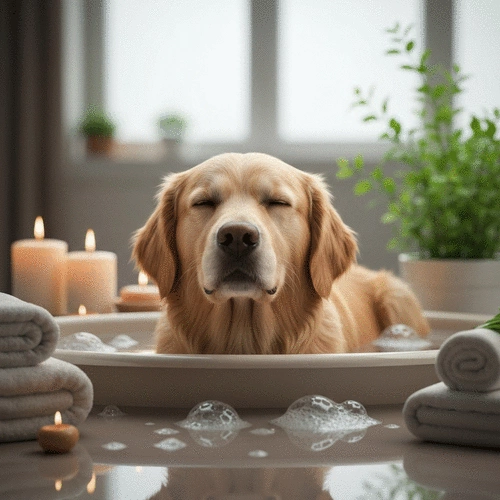
Bath time can feel like a battle, can’t it? The water splashes, the soap bubbles, and before you know it, your pup is attempting to escape like a slippery fish! But, what if I told you that grooming could transform from chaos to calm, creating a bonding experience instead?
What You Will Learn
- Calm bathing techniques can significantly reduce your dog's anxiety during bath time.
- Creating a positive environment with soothing scents and sounds enhances your dog's experience and emotional well-being.
- Regular grooming can help desensitize your dog to bath time, making it a less stressful experience.
- Establishing a consistent bathing routine builds trust and familiarity, promoting a sense of security for your dog.
- Monitoring your dog's body language can provide insights into their emotional state and help you adjust your approach accordingly.
Process Flow: Building Long-Term Calmness in Your Dog Through Bathing
This visual outlines a structured approach to integrating calm bathing techniques into your dog's routine and monitoring their progress.
Integrating Bathing Techniques into Daily Routine
- Short, Fun Sessions
- Positive Reinforcement
- Playful Activities
- Create a Routine
Monitoring Progress: Recognizing Improvement Over Time
- Relaxed Body Language
- Eager Participation
- Reduced Resistance
- Calm Behavior Post-Bath
Next Steps: Practical Implementation & Support
- Intro to space (Days 1-3)
- Water exposure (Days 4-6)
- Shampoo & gentle touch (Days 7-9)
- T-touch session (Days 10-12)
- Full bath with calm (Days 13-15)
- Dog Training Classes
- Veterinary Behaviorists
- Pet Grooming Workshops
Understanding the Importance of Calm Bathing Techniques for Dogs
Bathing your dog often feels like a necessary chore, but it can significantly impact their emotional well-being. Calm bathing techniques are essential in reducing anxiety levels for our furry friends. Many dogs experience stress during bath time, and understanding this can help transform the experience from a dreaded task into a bonding opportunity!
At Tail & Tidy Journal, I’ve observed that promoting a peaceful environment during bath time can lead to happier, more relaxed dogs. It’s not just about getting them clean; it’s about fostering trust and comfort between you and your pup.
How Bathing Can Affect Your Dog's Anxiety Levels
The bathing experience can have a profound effect on your dog's anxiety. When a dog associates bath time with stress or discomfort, it can lead to heightened anxiety levels, making future baths even more challenging. A few simple adjustments can significantly change how your dog perceives this routine!
- Recognize the signs of stress: barking, trembling, or attempting to escape.
- Create a positive environment that promotes relaxation and calm.
- Implement gentle techniques to gradually build trust.
By utilizing calming techniques, pet parents can help curb these anxiety responses, ensuring that bath time becomes less of a battle and more of a bonding moment.
The Psychological Benefits of a Relaxed Bathing Environment
A calm bathing environment does wonders for your dog's psychological health. It encourages them to feel secure and cherished, which translates to a more enjoyable experience for both of you! Incorporating elements like soft lighting, familiar scents, and gentle music can create a serene atmosphere.
- Soothing scents, such as lavender or chamomile, can promote relaxation.
- Soft music can drown out distracting noises and create a peaceful ambiance.
- Gentle touch and positive reinforcement build a sense of safety.
This supportive environment not only eases the bathing process but also strengthens the bond between you and your dog. Remember, it’s all about making them feel at ease!
The Role of Dog Grooming in Reducing Anxiety
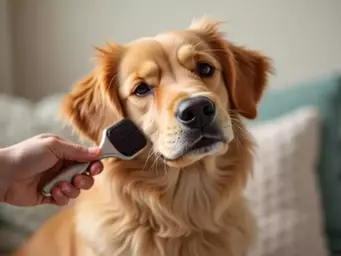
Grooming plays a critical role in reducing anxiety for dogs. Regular grooming sessions can help familiarize your dog with the process, making bath time feel less intimidating. When dogs are groomed with care and patience, they begin to associate these rituals with positive experiences.
- Consistent grooming routines help your dog understand what to expect.
- Gentle methods foster trust and minimize fear.
- Positive reinforcement during grooming enhances their comfort level.
At Tail & Tidy Journal, we emphasize the importance of gentle grooming techniques that focus on your dog’s emotional and physical wellbeing, ensuring they view bath time as a loving, supportive activity rather than a stressful ordeal.
Essential Preparation for Fear-Free Dog Bathing
Preparing for bath time is just as critical as the actual bathing process. A well-planned setup can make all the difference in your dog's experience. Let’s dive into some essential preparations that will help create a fear-free bathing environment!
- Establish a calm atmosphere before starting.
- Gather all necessary supplies within reach to avoid interruptions.
- Ensure your dog is comfortable and familiar with the bathing area.
With the right setup, you can turn bath time into a positive experience that enhances your dog's trust in you and promotes their overall wellbeing.
Pro Tip
To elevate your dog's bathing experience, consider integrating a calming pre-bath ritual. Spend a few minutes engaging in gentle play or a short walk before bath time. This helps expend excess energy and creates a positive association with the bathing process, making your pup more relaxed when it’s time to get clean!
Building Long-Term Calmness in Your Dog Through Bathing
Creating a calm bathing experience for your dog is not just about one bath; it’s about fostering a routine that supports their emotional wellbeing over time. By integrating effective bathing techniques into your dog’s daily routine, you can significantly reduce their anxiety associated with grooming and bathing. Consistency is key, and as pet owners, we can create a supportive environment that promotes a lasting sense of calm.
To truly embed these positive experiences, start by incorporating a few simple practices into your regular care routine. Engaging in consistent bath sessions reinforces the idea that bathing is a normal and enjoyable activity. Over time, this will help your pup associate bath time with love and care instead of anxiety.
Integrating Bathing Techniques into Your Dog's Daily Routine
When establishing a calming bathing routine, consider the following techniques:
- **Incorporate Short, Fun Bath Sessions**: Instead of long, stressful baths, break them into shorter, more enjoyable experiences that your dog can handle without becoming anxious.
- **Use Positive Reinforcement**: Always reward your dog with treats and praise during and after the bath. This creates a positive feedback loop.
- **Engage in Playful Activities**: Before the bath, engage your dog in play to help them expend energy and feel relaxed.
- **Create a Routine**: Schedule bathing at the same time each week. Having a consistent routine helps your dog know what to expect.
These techniques not only promote calmness during bathing but also help your dog feel more secure and confident in their environment. Remember, the goal is to make bath time a bonding experience, so keep it light and fun!
Monitoring Progress: Recognizing Improvement Over Time with Behavioral Signals
As you integrate these calming techniques into your dog’s routine, it’s important to monitor their reactions and behavior. Every dog is unique, and observing their changes will guide you in adapting your approach. Look for these signs of improvement:
- **Relaxed Body Language**: Your dog should show signs of relaxation, such as a wagging tail, soft eyes, and relaxed ears.
- **Eager Participation**: If your pup begins to approach the bath area willingly or seems excited about bath time, that’s a positive sign!
- **Reduced Resistance**: Notice if your dog is less hesitant or fearful when it’s time for a bath.
- **Calm Behavior Post-Bath**: After the bath, your dog should ideally settle down peacefully instead of exhibiting anxious behavior.
By tracking these behavioral signals, you can gain insights into your dog’s emotional state. Celebrate the small victories along the way—they're significant steps toward a more relaxed bathing experience!
Next Steps for Dog Owners: Practical Implementation of Techniques
Now that you have a solid understanding of how to create a calming bathing routine, let’s dive into practical steps you can take to implement these techniques effectively. Remember, the journey to a stress-free bath experience is one that requires patience and consistency.
Creating Your Own 15-Day Calm Bathing Plan with Enrichment Activities
To help you get started, consider developing a 15-day plan that focuses on gradual exposure to bathing techniques while incorporating enrichment activities. Here’s how you might structure it:
- **Days 1-3**: Introduce your dog to the bathing space with short play sessions and treats.
- **Days 4-6**: Start with gentle water exposure without shampoo, rewarding them for calm behavior.
- **Days 7-9**: Add shampoo, focusing on a gentle touch and positive reinforcement.
- **Days 10-12**: Incorporate a relaxing T-touch session during the bath.
- **Days 13-15**: Conclude with a full bath while maintaining a calm environment and soft music.
By following this structured plan, you’ll gradually build your dog’s confidence and help them develop a positive association with bathing.
Exploring Local Resources for Professional Help and Support, Including Veterinary Behaviorists
Sometimes, despite our best efforts, our furry friends may still need extra support. If your dog continues to experience anxiety during baths, don't hesitate to seek assistance from local resources. Professional help, such as a certified dog trainer or a veterinary behaviorist, can make a significant difference.
- **Local Dog Training Classes**: Find classes focused on fear-free handling techniques.
- **Veterinary Behaviorists**: Consult with experts who can provide tailored advice based on your dog’s specific needs.
- **Pet Grooming Workshops**: Attend workshops that focus on gentle grooming techniques that can enhance your bathing strategy.
Utilizing these resources can provide additional insights and techniques, helping to ensure that both you and your dog can enjoy bath time without anxiety. Remember, we’re here to support you at Tail & Tidy Journal as you embark on this journey toward a calmer, more enjoyable bathing experience for your beloved pooch!
Recap of Key Points
Here is a quick recap of the important points discussed in the article:
- Implement calm bathing techniques to reduce your dog's anxiety during bath time.
- Create a positive environment with soothing scents, soft music, and gentle touch.
- Establish consistent grooming routines to build trust and familiarity with the bathing process.
- Incorporate short, enjoyable bath sessions to alleviate stress for your dog.
- Monitor your dog's behavior for signs of relaxation and eagerness during bath time.
- Consider professional help if your dog continues to experience anxiety during bathing.
Frequently Asked Questions About Calm Dog Bathing
What are calm bathing techniques?
Calm bathing techniques involve creating a positive and stress-free environment for your dog during bath time. This includes using gentle handling, positive reinforcement, soothing sounds and scents, and gradually introducing your dog to the bathing process to reduce anxiety.
How can I reduce my dog's anxiety during bath time?
You can reduce your dog's anxiety by recognizing signs of stress, creating a positive environment with elements like soft lighting and music, and using gentle touch. Incorporating short, fun sessions and rewarding calm behavior can also help.
What role does grooming play in reducing bath time anxiety?
Regular, gentle grooming sessions help familiarize your dog with being handled and with the tools used, making bath time less intimidating. Consistent positive experiences during grooming can build trust and minimize fear associated with the entire process.
What are some essential preparations for a fear-free dog bath?
Essential preparations include establishing a calm atmosphere before starting, gathering all necessary supplies within reach, and ensuring your dog is comfortable with the bathing area. A calming pre-bath ritual, like gentle play, can also be beneficial.
How can I build long-term calmness in my dog through bathing?
Building long-term calmness involves consistency and positive reinforcement. Integrate short, fun bath sessions into your routine, reward your dog with treats and praise, and engage in playful activities before the bath. Monitoring their progress and adapting your approach is also key.
When should I seek professional help for my dog's bath anxiety?
If your dog continues to experience significant anxiety despite your best efforts, consider seeking professional help. Local dog training classes, veterinary behaviorists, or pet grooming workshops can provide tailored advice and techniques to help your dog overcome their fear.
When dogs are groomed with care and patience, they begin to associate these rituals with positive experiences. Consistent grooming routines help your dog understand what to expect. Gentle methods foster trust and minimize fear. Positive reinforcement during grooming enhances their comfort level. At Tail & Tidy Journal, we emphasize the importance of gentle grooming techniques that focus on your dog’s emotional and physical wellbeing, ensuring they view bath time as a loving, supportive activity rather than a stressful ordeal.