Have you ever noticed how a dog's coat reflects their overall health? The connection between hydration, nutrition, and coat wellness is stronger than many pet owners realize. By understanding and implementing the right dietary choices, you can enhance your furry friend's coat to be shiny and vibrant.
What You Will Learn
- Balanced Diet: Ensure your dog's diet includes high-quality proteins, omega fatty acids, and essential vitamins and minerals.
- Hydration Matters: Always provide fresh water and consider hydrating foods to keep your pup's skin and coat in top condition.
- Monitor Changes: Pay attention to any changes in your dog's coat or skin, as these can be signs of underlying issues.
- Consult Professionals: Don’t hesitate to seek advice from your veterinarian regarding the best dietary choices for your dog.
The Pillars of Dog Coat Wellness: Nutrition, Hydration, and Key Nutrients
A shiny, healthy coat is a visible indicator of a dog's overall well-being. This visual highlights the critical components and essential nutrients that contribute to optimal canine coat health. For more detailed insights into maintaining coat health, explore our healthy dog coat care tips.
Coat Reflects Overall Health
A well-nourished dog typically exhibits a coat full of luster, while deficiencies can lead to issues like dandruff, dryness, and matting.
Pillar 1:
Nutrition
- • High-quality proteins for structure
- • Omega fatty acids for hydration & shine
- • Vitamins A, E, Biotin for skin integrity
Pillar 2:
Hydration
- • Fresh water access always
- • Hydrating foods (cucumbers, watermelon)
- • Prevents dryness & skin issues
Key Nutrient:
Omega Fatty Acids
- • Omega-3: Anti-inflammatory
- • Omega-6: Skin barrier function
- • Combats skin inflammation, flakiness
Key Nutrient:
Proteins
- • Building blocks for skin & fur
- • Quality sources: chicken, beef, fish
- • Deficiency leads to dullness, shedding
Key Nutrient:
Vitamins
- • Vitamin A: Supports skin health
- • Vitamin E: Combats oxidative stress
- • Variety of fruits & vegetables
Key Nutrient:
Minerals
- • Zinc: Vital for skin healing
- • Biotin: Keeps coat strong & shiny
- • Supplements may be needed
Consult Your Veterinarian
For tailored advice on dietary changes and supplements, especially for specific health conditions, allergies, or sensitivities.
Understanding the Connection Between Hydration, Nutrition, and Dog Coat Wellness
As pet owners, we often wonder why our dog's coat can vary in appearance, and the truth is—their coat reflects their overall health. When I groom dogs, I always pay attention to their coat condition because it can tell us so much about their nutrition and hydration levels. A shiny, healthy coat is often an indicator of a happy, well-cared-for pup, while a dull or dry coat can signal underlying issues.
Many pet parents might not realize that nutrition plays a crucial role in achieving that vibrant coat. With the right diet and proper hydration, we can help our furry friends maintain their coat's integrity and shine!
Why Your Dog’s Coat Reflects Overall Health
Your dog's coat is more than just a pretty fur coat—it's a window into their health. A well-nourished dog typically exhibits a coat that's full of luster, while deficiencies in their diet can lead to issues such as dandruff, dryness, and even matting. I always remind my clients that a dog's skin and coat are their first line of defense against the environment, and proper care can help them thrive.
- Healthy skin acts as a barrier against bacteria and allergens.
- A shiny coat often reflects a balanced diet rich in essential nutrients.
- Regular grooming helps distribute natural oils, promoting a healthier coat.
When we prioritize nutrition and hydration, we're investing in our dogs' overall well-being. Just like us, dogs require specific nutrients to support their skin and coat health!
The Importance of Nutrition for a Shiny, Healthy Coat
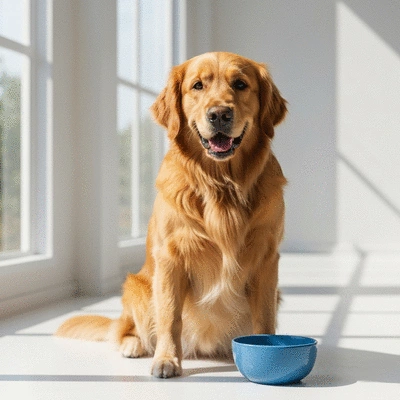
Nutrition truly is the cornerstone of coat wellness. I often tell pet parents that what goes into their dog's bowl impacts everything from their energy levels to the quality of their coat. A well-balanced diet ensures that your dog receives the necessary vitamins, minerals, and fatty acids to promote optimal coat health.
- High-quality proteins support coat structure and strength.
- Omega fatty acids contribute to skin hydration and coat shine.
- Vitamins A, E, and biotin are essential for maintaining skin integrity.
By focusing on their diet, we can help our dogs enjoy a shiny, healthy coat that not only looks good but feels great too! Remember, a happy dog often has a coat that reflects their inner vitality. For tips on managing shedding and maintaining a healthy coat, check out our guide on dog shedding causes and solutions.
Essential Nutrients for Optimal Dog Coat Health
To truly understand how to promote a healthy coat, let’s delve into the vital nutrients that contribute to its overall wellness. From fatty acids to proteins, each element plays a unique role in maintaining and enhancing your dog's coat. I love sharing this knowledge with pet owners, as it empowers them to make informed decisions about their dog's nutrition.
Omega Fatty Acids: A Key Component for Skin Hydration and Coat Shine
One of the most significant nutrients for your dog's coat health is omega fatty acids. Omega-3 and omega-6 fatty acids are particularly important for supporting skin hydration and promoting a shiny coat. These essential fats can often be found in fish oil or flaxseed oil, and they help combat dryness and irritation.
Understanding Omega-3 and Omega-6 Fatty Acids
Omega-3 fatty acids are known for their anti-inflammatory properties, while omega-6 fatty acids help maintain skin barrier function. Together, they create a balance that promotes skin and coat health. When I recommend supplements or diet changes to clients, I always emphasize the importance of including both types of fatty acids in their dog's meals!
How These Nutrients Combat Skin Inflammation
Inflammation can lead to various skin issues in dogs, including allergies and dermatitis. By incorporating omega fatty acids, you're giving your dog the tools they need to fight back against these conditions. Regular consumption can help reduce flakiness and soothe irritated skin, which is a win-win for both you and your furry friend!
The Role of Proteins in Maintaining Coat Integrity
Proteins are another cornerstone of coat health, providing the building blocks for healthy skin and fur. Just like humans, dogs need quality protein sources to maintain their coat's integrity. I often discuss protein options with pet owners to ensure their dogs are getting the best possible nutrition.
Identifying Quality Protein Sources for Your Dog
Look for named meat sources like chicken, beef, or fish as the primary ingredients in your dog's food. These protein sources not only support muscle development but also play a crucial role in maintaining a healthy coat. Remember, quality matters—opt for foods that list specific animal proteins rather than generic meat meals.
Impact of Protein Deficiency on Coat Health
A lack of sufficient protein can lead to a range of coat issues, including dullness, brittleness, and excessive shedding. If you notice these signs in your dog, it may be time to reassess their diet. Ensuring an adequate protein intake is essential for a coat that truly shines!
Vitamins and Minerals Essential for Dog Coat Health
Don't forget about the vital vitamins and minerals that contribute to your dog's overall coat wellness! Vitamins like A and E, along with important minerals such as zinc and biotin, are crucial for maintaining skin condition and coat shine.
Key Vitamins for Coat Shine and Skin Condition
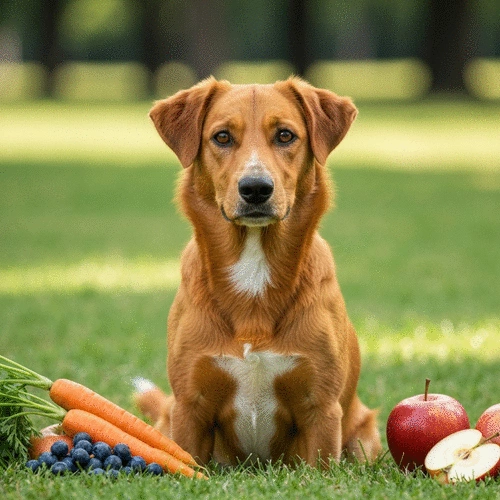
Vitamins A and E are particularly effective in supporting skin health and promoting a lustrous coat. They help combat oxidative stress and maintain the integrity of skin cells. Incorporating a variety of vegetables, fruits, and quality dog food can help ensure your pup gets the right vitamins!
Importance of Zinc and Biotin in Maintaining Healthy Skin
Zinc is vital for skin healing, while biotin plays a role in keeping the coat strong and shiny. If your dog seems to be lacking in these areas, consider discussing supplements or dietary changes with your veterinarian. Together, we can make sure our furry friends have the healthiest coats possible!
Pro Tip
Did you know that incorporating a variety of hydrating foods, such as cucumbers and watermelon, into your dog's diet can significantly enhance their skin and coat health? These foods not only provide hydration but also contribute essential nutrients that promote a shiny, vibrant coat!
Frequently Asked Questions (FAQs) About Dog Coat Wellness
How does my dog's coat reflect their overall health?
A dog's coat is a strong indicator of their general health. A shiny, vibrant coat typically signals good nutrition and hydration, while a dull, dry, or flaky coat can suggest underlying dietary deficiencies or health issues.
What are the most important nutrients for a healthy dog coat?
Key nutrients for optimal coat health include high-quality proteins for structure, omega-3 and omega-6 fatty acids for hydration and shine, and vitamins such as A, E, along with minerals like zinc and biotin for skin integrity and coat strength.
How important is hydration for my dog's coat?
Hydration is crucial. Consistent access to fresh water and incorporating hydrating foods can prevent dry skin, flakiness, and contribute to a more lustrous coat. Dehydration can negatively impact skin and coat health significantly.
Can diet changes really improve my dog's coat?
Absolutely. A balanced diet rich in essential proteins, fatty acids, vitamins, and minerals directly supports the health of your dog's skin and fur. Making informed dietary choices can lead to a noticeable improvement in coat quality.
When should I consult a veterinarian about my dog's coat health?
It's always recommended to consult your veterinarian if you notice significant changes in your dog's coat, such as excessive shedding, persistent dryness, irritation, or skin problems. They can provide tailored advice and rule out any underlying medical conditions.
Summarizing the Impact of Nutrition and Hydration on Dog Coat Health
As we explore the crucial elements of nutrition and hydration for our furry friends, it's clear that what we put into their bodies greatly affects their coat health. A well-balanced diet rich in essential nutrients and proper hydration can transform a dull, lifeless coat into a shiny, vibrant one! At Tail & Tidy Journal, we believe that understanding these connections empowers pet owners to make informed choices for their dogs.
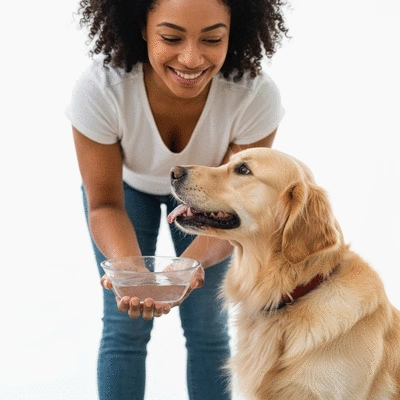
To recap some key points: a diet filled with quality proteins, omega fatty acids, and the right vitamins and minerals is fundamental for maintaining a healthy coat. Coupling this with adequate hydration not only keeps your dog’s skin supple but also prevents a host of health issues. Achieving a glorious coat starts with these basics!
Key Takeaways for Pet Owners
- Balanced Diet: Ensure your dog's diet includes high-quality proteins, omega fatty acids, and essential vitamins and minerals.
- Hydration Matters: Always provide fresh water and consider hydrating foods to keep your pup's skin and coat in top condition.
- Monitor Changes: Pay attention to any changes in your dog's coat or skin, as these can be signs of underlying issues.
- Consult Professionals: Don’t hesitate to seek advice from your veterinarian regarding the best dietary choices for your dog.
These takeaways will help ensure that your dog not only looks their best but feels healthy and happy too! Remember, a little attention to their diet and hydration can go a long way in fostering a beautiful coat.
Consulting Your Veterinarian for Optimal Dietary Choices
It’s always a smart move to consult your veterinarian when making any significant changes to your dog’s diet. They can offer tailored advice based on your dog's specific needs, age, and health status. Veterinary consultations are especially crucial for dogs with specific health conditions, allergies, or sensitivities. This way, you can avoid common pitfalls and ensure your furry friend is getting all the nourishment they need for optimal coat health.
Visiting your vet is also a great opportunity to discuss any supplements that might aid in enhancing coat quality. Sometimes, a little boost can make a big difference in how your dog’s coat looks and feels!
Encouraging a Holistic Approach to Canine Wellness
Understanding the Comprehensive Role of Diet in Overall Health
At Tail & Tidy Journal, we advocate for a holistic approach to your dog's health. A dog's diet is not just about coat health; it plays a significant role in their overall wellbeing. A balanced diet helps support energy levels, maintains a healthy weight, and contributes to vibrant skin and coat. By understanding this interconnectedness, you can take meaningful steps to enhance your dog’s quality of life.
Keep in mind that making small adjustments can lead to significant improvements. Be mindful of the ingredients in your dog’s food and consider their overall nutritional needs, not just surface-level traits like coat shine.
Taking Action: Steps to Enhance Your Dog’s Coat Through Nutrition and Hydration
- Assess your dog's current diet and identify any areas for improvement.
- Incorporate hydrating foods like cucumbers or watermelon into their meals.
- Consider adding a high-quality fish oil supplement rich in omega fatty acids.
- Provide plenty of fresh water daily and encourage hydration during walks and playtime.
It's all about taking proactive steps! By integrating these practices into your dog's routine, you can create a nurturing environment that promotes not only a lovely coat but also overall health and happiness.
Addressing Common Hydration Myths in Canine Care
Many pet owners have misconceptions about their dogs' hydration needs. For example, some believe dogs can get enough water from their food alone. While wet food can contribute to hydration, it’s essential to offer fresh water at all times. Additionally, the idea that dogs only need water after vigorous exercise is misleading. Dogs should have access to water throughout the day, regardless of activity level, to prevent dehydration.
Another myth is that dogs will drink what they need. While many do instinctively drink when thirsty, factors like heat, exercise, and diet can alter their needs significantly. Monitoring your dog’s drinking habits is crucial—if you notice changes or if they aren't drinking enough, it's time to intervene! For sensitive dogs, ensuring proper hydration and a calm environment is key, which you can learn more about by reading our article on gentle grooming for sensitive dogs.
Recap of Key Points
Here is a quick recap of the important points discussed in the article:
- Balanced Diet: Ensure your dog's diet includes high-quality proteins, omega fatty acids, and essential vitamins and minerals.
- Hydration Matters: Always provide fresh water and consider hydrating foods to keep your pup's skin and coat in top condition.
- Monitor Changes: Pay attention to any changes in your dog's coat or skin, as these can be signs of underlying issues.
- Consult Professionals: Don’t hesitate to seek advice from your veterinarian regarding the best dietary choices for your dog.
- Omega Fatty Acids: Incorporate omega-3 and omega-6 fatty acids to promote skin hydration and coat shine.
- Quality Proteins: Look for named meat sources as the primary ingredients in your dog's food for optimal coat health.